
Operators achieve consistent results with a SPICE POWDER PACKAGING MACHINE by prioritizing proper setup and scheduled maintenance. Accurate calibration ensures every package meets standards. High-quality materials and controlled conditions support reliable packaging. Clear procedures and preventive routines reduce errors, leading to high-quality output every production cycle.
Key Factors for Consistency with a SPICE POWDER PACKAGING MACHINE
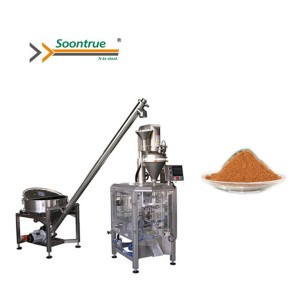
Machine Calibration and Settings
Operators must calibrate the SPICE POWDER PACKAGING MACHINE with precision to achieve consistent packaging results. Calibration involves setting parameters that control powder dispensing, weight accuracy, and quality inspection. The following table outlines the most critical calibration parameters:
| Calibration Parameter | Description |
|---|---|
| Volumetric Method | Filling a predefined volume with powder for consistent dispensing. |
| Gravimetric Method | Measuring the weight of the powder for enhanced accuracy, especially with varying densities. |
| Integrated Sensors and Detectors | Analyzing variations in powder properties and providing real-time feedback for adjustments. |
| Automated Calibration Systems | Simplifying calibration processes to eliminate human error and improve precision. |
| Precision Dispensing Mechanisms | Ensuring controlled powder flow to minimize variations in dispensing. |
| Quality Control Systems | Inspecting packaged products for weight, seal integrity, and label accuracy to maintain consistent quality. |
Operators adjust these parameters based on the specific requirements of each product. Automated calibration systems reduce manual intervention and improve reliability. Integrated sensors detect changes in powder properties and trigger adjustments, ensuring every package meets quality standards.
Tip: Regular calibration checks prevent drift in machine settings and maintain high accuracy throughout production.
Material Quality and Preparation
Material quality directly affects the performance of the SPICE POWDER PACKAGING MACHINE. Spice powder particle size determines flow characteristics, which influence packaging consistency. Fine powders flow differently than coarse powders. Machines like SOONTRUE adapt to these variations, maintaining efficiency and reliability.
Operators must inspect spice powders for uniformity before loading. Consistent particle size prevents blockages and ensures smooth dispensing. Proper preparation includes sieving powders to remove clumps and foreign particles. Clean, dry powders reduce the risk of caking and improve flowability.
Maintaining high material quality minimizes downtime and supports consistent packaging results.
Environmental Control
Environmental conditions play a vital role in packaging operations. Fluctuations in temperature and humidity affect powder flow and machine performance. Some spices absorb moisture, leading to caking and blockages. Reduced flowability causes production inefficiencies and increases downtime.
Facilities must monitor temperature and humidity to maintain optimal conditions. Environmental monitoring systems identify contamination sources and verify cleaning effectiveness. Hygienic zoning minimizes contamination risks and supports consistent results. Machines hermetically seal packages, preventing moisture and oxidation, which extends shelf life and preserves product quality.
Operators should implement risk-based hygienic zoning and maintain strict environmental controls to ensure reliable packaging outcomes.
Setup, Operation, and Maintenance for Reliable Results
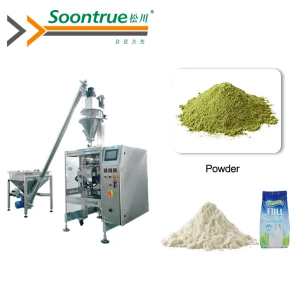
Step-by-Step Machine Setup
Operators achieve reliable results by following a structured setup process for the SPICE POWDER PACKAGING MACHINE. The SOONTRUE model requires careful attention to detail during installation. The following steps ensure accurate operation:
1.Site Preparation: Select a dry, well-ventilated area with a level floor.
2.Unpacking and Inspection: Unpack the machine and inspect all components for damage or missing parts.
3.Positioning the Machine: Secure the machine in place using lag bolts for stability.
4.Electrical and Pneumatic Connections: Connect the machine to the power supply and pneumatic system.
5.Initial Setup and Calibration: Adjust fill weights and motor directions according to product specifications.
6.Test & Run: Power on the machine and conduct a test run to verify proper operation.
Operators who document each step reduce setup errors and streamline future maintenance.
Common mistakes during setup can lead to inconsistent packaging. Issues with sealing, film handling, and maintenance access often cause variations in bag integrity and length. Non-repeatable settings may result in immediate changes to film tracking and sealing behavior. Operators must align the bagger with the filler strategy and product handling to avoid integration problems.
Loading and Handling Spice Powder
Proper loading and handling of spice powder ensures smooth operation and consistent packaging. Operators follow these best practices:
1.Clean and dry the hopper to prevent clumping and blockages.
2.Gradually pour the powder to avoid spills and overfilling.
3.Monitor powder flow visually to detect irregularities.
4.Adjust the feeding rate through the control panel for precise volume delivery.
5.Test several sachets at the start to identify necessary adjustments.
6.Inspect the feeding mechanism frequently to clear blockages and prevent contamination.
Improper handling can cause powder leakage and loose sealing. Incorrect temperature settings may burn through packaging material or fail to seal effectively. Insufficient sealing pressure prevents tight seals, leading to leakage. Operators must use high-quality packaging materials to avoid loose seals caused by uneven thickness.
Regular maintenance and careful operation prevent these issues and maintain packaging quality.
Running Test Batches and Making Adjustments
Test batches play a critical role in identifying inconsistencies and optimizing machine performance. Operators monitor several parameters during test runs:
| Type of Inspection | Purpose |
|---|---|
| Visual Inspection | Detects surface-level defects |
| Dimensional Inspection | Verifies measurements and tolerances |
| Mechanical Testing | Assesses strength and durability |
| Material Testing | Evaluates physical and chemical properties |
| Labeling Inspection | Confirms label accuracy and compliance |
Operators check for physical damage, appearance issues, labeling errors, and missing components. They consider product type, regulatory requirements, and environmental conditions during testing. Seal testing occurs every 30 minutes for the first four hours to maintain optimal performance.
Frequent test batches help operators catch inconsistencies early and make timely adjustments.
Troubleshooting Common Issues
Operational issues can disrupt packaging consistency. Operators address the most common problems as follows:
·Absence of Sealing: Inspect sealing jaws for alignment and cleanliness. Verify sealing temperature and check for leaks.
·Incomplete Filling: Calibrate the filling mechanism. Ensure unobstructed product discharge and examine the filling nozzle for damage.
·Damaged Packaging: Adjust machine settings. Inspect conveyor belts for sharp edges and ensure pouch quality.
·Machine Overheating: Clean and lubricate moving parts. Verify the cooling system and avoid overloading.
·Electrical Malfunctions: Check electrical connections, reset circuit breakers, and consult an electrician if needed.
To resolve packaging weight inconsistencies, operators use a horizontal feed screw to maintain consistent head pressure. They monitor hopper fill levels, optimize auger speed, and adjust agitator settings for non-free flowing products.
Quick troubleshooting minimizes downtime and maintains high-quality output.
Preventive Maintenance Routines
Preventive maintenance extends the lifespan of the SPICE POWDER PACKAGING MACHINE and reduces downtime. Operators perform routine inspections, monitor and replace worn parts, and ensure a ready stock of high-wear components. Proper lubrication of machinery is essential.
·Regular inspections identify wear and tear early.
·Thorough cleaning after each batch maintains hygiene and efficiency.
·Weekly lubrication reduces friction and extends component life.
·Monthly calibration ensures accuracy in filling.
·Quarterly replacement of high-wear components maintains seal integrity.
Operators document maintenance tasks, including preventive, planned, and corrective actions. They record dates, times, scope of work, and completion notes. Automated data capture and regular review of maintenance records improve accuracy and efficiency.
A structured maintenance schedule prevents minor issues from becoming major failures.
Pro Tips for Optimizing Performance
Advanced techniques help operators maximize speed and accuracy. Investing in high-precision load cells and sensors enhances weighing accuracy. Optimizing vibration and feeding systems ensures controlled product delivery. Memory hopper technology increases speed and accuracy.
Operators minimize environmental interference to maintain consistent weighing conditions. Advanced software algorithms enable real-time adjustments and predictive feeding. Mechanical stability supports consistent performance. Comprehensive maintenance protocols sustain accuracy.
Operators who standardize documentation and training maintain optimal machine performance and reduce errors.
The SOONTRUE Chili Powder Spice Powder Packaging Machine delivers reliable results when operators follow these setup, operation, and maintenance guidelines. Consistent attention to detail ensures high-quality packaging and efficient production.
Operators achieve consistent results with a SPICE POWDER PACKAGING MACHINE by following comprehensive SOPs, maintaining rigorous schedules, and monitoring every process. Routine checks identify issues early and reduce downtime. Regular training minimizes errors and maximizes efficiency, supporting long-term reliability and high-quality packaging.
FAQ
How often should operators calibrate the SOONTRUE Chili Powder Spice Powder Packaging Machine?
Operators perform calibration before each production run. Regular checks maintain accuracy and prevent drift in settings.
What types of packaging materials work best with the SOONTRUE machine?
Operators select materials like PP, PE, PVC, PS, EVA, and PET. These materials ensure strong seals and reliable packaging performance.
Can the SOONTRUE machine handle different spice powder types?
- The machine adapts to fine, coarse, and blended powders. Operators adjust settings for optimal flow and consistent results.
Post time: Feb-24-2026