
Inconsistent fill weights present a costly problem for manufacturers. Variations in a powder's bulk density and moisture content cause approximately 70% of these inaccuracies. Mechanical issues with filling equipment also contribute significantly to the problem. Achieving precise dosing is critical for operational success. It directly reduces product waste, eliminates customer complaints, and protects the bottom line. This financial drain from product giveaway often outweighs the initial Powder Packing Machine Price over time, making accuracy a top priority.
Identifying the Root Causes of Inconsistent Fills
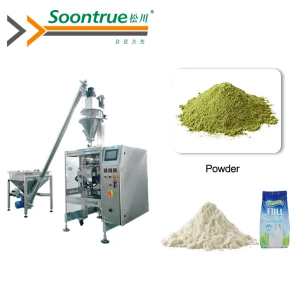
Operators must first diagnose the problem before implementing a solution. Inconsistent fills almost always trace back to two primary areas: the physical properties of the powder itself and the condition of the packaging machinery and its operating environment. A systematic evaluation of these factors provides a clear path toward resolution.
Powder Property Variations
A powder's physical characteristics can change from batch to batch, directly impacting fill accuracy. Bulk density is a primary culprit. The aeration process, for instance, creates a loose particle structure that lowers bulk density. This effect significantly helps less cohesive materials flow smoothly but has a minimal impact on cohesive powders where particle attraction is strong.
Operators should regularly analyze several key powder properties to ensure consistency:
·Bulk Density: Both aerated and tapped bulk density provide insight into the powder's state.
·Flowability: The Hausner ratio, Carr Index, and angle of repose quantify how well a material will flow through equipment.
·Particle Size Distribution: The uniformity of particle sizes affects flow and compaction.
Pro Tip: Modern instruments like powder rheometers and shear cell testers offer precise, quantitative data on flow behavior. This information helps operators predict how a material will perform in their specific packaging machine.
Mechanical and Environmental Factors
Mechanical wear and environmental conditions introduce significant variability into the packaging process. Over time, wear on critical dosing components, such as the auger, alters their dimensions. This change directly impacts the volume of powder the machine can transfer, leading to inaccurate and inconsistent dosing. A worn-out auger is a common cause of poor filling accuracy.
The production environment also plays a critical role.
·Low Humidity: Generates static electricity, which can cause powder to cling to surfaces and interfere with sealing.
·High Humidity: Causes hygroscopic (moisture-absorbing) powders to clump and congeal. This leads to equipment blockages, unscheduled stoppages, and reduced efficiency.
Maintaining a controlled environment, ideally with 40%-60% relative humidity, prevents these issues. It ensures the powder flows as intended and the packaging equipment operates without interruption.
A Step-by-Step Guide to Achieving Accurate Fills
Diagnosing the root cause is the first step. The next is implementing a systematic solution. Manufacturers can achieve consistent, accurate fills by focusing on three core areas: stabilizing the powder, optimizing the machine, and maintaining the equipment. This structured approach transforms the packaging line from a source of variability into a model of precision.
Stabilize Your Powder Characteristics
Consistent powder properties are the foundation of accurate filling. Since bulk density is a primary variable, controlling it before the powder enters the filler is essential. Aeration often reduces bulk density, so deaeration becomes a critical process step for many products. Operators can use several methods to remove entrapped air and create a more uniform density.
Effective deaeration techniques include:
·Utilizing a vertical feed screw to compress the powder before it reaches the filler.
·Integrating deaeration lances or probes that use a vacuum to remove air after the bag is filled but before it is sealed.
·Employing deaerating paddles to settle the product and minimize air pockets inside the bag.
·Installing a stand-alone air removal station in the production line.
Controlling the production environment is equally important. Maintaining a relative humidity between 40%-60% prevents static buildup and powder clumping, ensuring the material flows predictably from the hopper through the auger.
Optimize Your Filler Settings
Once the powder is stable, operators must fine-tune the filling machine to match the material's specific properties. Modern equipment offers sophisticated controls that can dramatically improve accuracy when configured correctly.
Maintain Consistent Head PressureThe amount of powder above the auger, known as head pressure, directly affects how much product enters the auger flights. Inconsistent head pressure causes density variations and inaccurate fills.
Solution: Implement a hopper level control system. A horizontal infeed screw connected to a level sensor is an effective solution. The sensor monitors the powder level in the auger hopper. It activates the feed screw to replenish material when the level drops, maintaining a consistent head pressure and ensuring uniform dosing.
Position the Infeed System CorrectlyThe distance between the infeed system and the filler hopper is critical. An infeed system that terminates too far above the hopper allows the powder to aerate as it falls. This changes its density and undermines fill accuracy. An intermediate infeed system, such as a dedicated screw feeder, can bridge this gap. It delivers material directly to the filler's hopper at a consistent rate and density.
Leverage Advanced Machine FeaturesLeading-edge equipment like the SOONTRUE Powder Pouch Packing Machine provides powerful tools to simplify optimization.
·Intuitive Controls: Its man-machine interface allows operators to adjust device movements based on product characteristics. These optimized settings can be saved as formulas and recalled with a single touch, ensuring repeatability across batches.
·Intelligent Automation: The machine can auto-adjust parameters like feeding and suction bag settings when the packaging speed changes. This eliminates the need for constant manual debugging and ensures stable, high-speed operation.
·Vibration Control: For cohesive or sticky powders, operators can use the machine's vibration capabilities. Adjusting the intensity and duration of vibration helps settle the product uniformly within the pouch, filling voids and minimizing air pockets for a consistent fill and a better final appearance.
Implement a Robust Maintenance Schedule
Optimal machine settings will degrade over time due to mechanical wear. A robust preventative maintenance and calibration schedule is essential for preserving long-term accuracy. This proactive approach prevents gradual declines in performance and avoids costly unplanned downtime.
Establish a Calibration FrequencyCalibration verifies that the machine is dispensing the correct amount of product. A multi-tiered schedule ensures accuracy remains within tolerance.
1.Initial Setup: Perform a thorough calibration when installing a new machine to establish a performance baseline.
2.Daily or Shift Checks: Weigh sample bags at the start of every shift. Recalibrate immediately if the weight falls outside the acceptable range.
3.Periodic Calibration: Conduct a more comprehensive calibration weekly or monthly, depending on usage, to inspect and adjust critical dosing components.
4.Post-Maintenance: Always recalibrate after replacing or servicing any parts to confirm the machine has returned to its optimal state.
Follow a Preventative Maintenance ChecklistRegular inspections and servicing keep the machine in peak condition. A structured checklist ensures no detail is overlooked.
| Frequency | Maintenance Tasks |
|---|---|
| Daily | Clean powder residue from the hopper, sealing jaws, and sensors. Fill out all required inspection records. |
| Weekly | Inspect sealing belts, cutters, and film rollers for wear. Lubricate specified moving parts like chain drives and bearings. |
| Quarterly | Check gearboxes, speed reducers, and Geneva drives for wear. Inspect and tighten all critical nuts, bolts, and electrical terminals. Back up all machine parameters and recipe data. |
| As Needed | Replace known wear parts like sealing rings and dust filters. Conduct operational tests to verify performance after any maintenance. |
By stabilizing powder, optimizing settings, and committing to maintenance, manufacturers can conquer inconsistent fills and unlock greater profitability.
The Financial Impact of Inaccuracy and Powder Packing Machine Price
Achieving fill accuracy directly impacts a company's profitability. Inconsistent fills create hidden costs that erode margins over time. Understanding these financial drains is crucial when evaluating the total cost of ownership, which includes the initial Powder Packing Machine Price and ongoing operational expenses.
Calculating the Cost of Product Waste
Product giveaway is the most direct financial loss from inaccurate filling. Even a few extra grams in every pouch accumulate into a significant expense. Manufacturers can quantify this loss with a straightforward calculation.
How to Calculate Giveaway Cost:(Average Overfill per Bag in grams) x (Bags Produced per Day) x (Operating Days per Year) x (Product Cost per gram) = Total Annual Loss
This calculation reveals a clear financial figure. Companies often find that the annual cost of product waste can easily surpass the initial Powder Packing aPacking Machine Price. This makes fill accuracy a primary target for cost-saving initiatives.
When to Repair vs. When to Replace
Operators eventually face a critical decision: continue repairing an aging machine or invest in a new one. This choice requires a careful cost-benefit analysis. The cost of a new semi-automatic machine can be surprisingly accessible, with some models priced between $2,700 and $7,500.
Companies must compare ongoing repair bills and waste costs against the Powder Packing Machine Price of a modern filler. Upgrading often provides a substantial return on investment. For example, one manufacturer reduced product giveaway from 3% to less than 0.2% by replacing an old filler, saving over $500,000 annually. In high-value industries, a new machine can slash giveaway from 5% to under 0.5%. When the combined cost of repairs and product waste approaches the Powder Packing Machine Price of a new unit, replacement becomes the financially sound decision. The long-term savings in product, maintenance, and efficiency justify the upfront Powder Packing Machine Price.
Leveraging Technology for Ultimate Precision
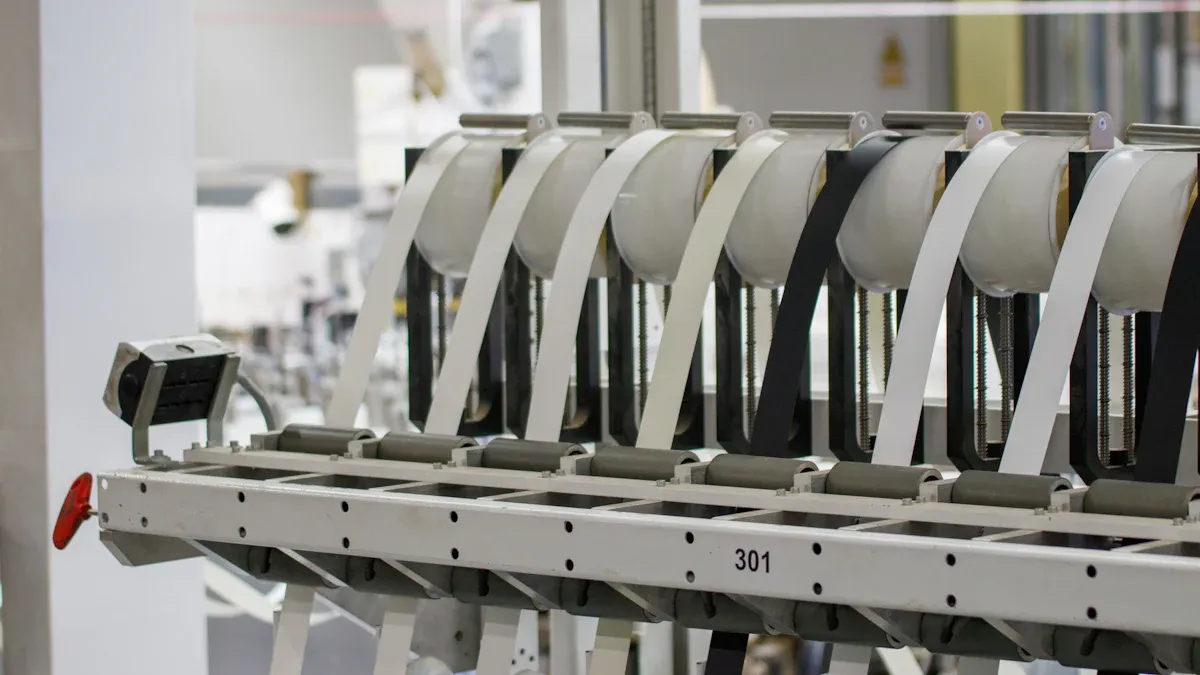
Stabilizing powder and optimizing machine settings create a strong foundation for accuracy. Manufacturers can achieve the highest level of precision by integrating advanced feedback technologies and automated quality control systems into their packaging lines.
The Role of Feedback and Control Systems
Modern powder fillers use closed-loop feedback systems to make real-time adjustments, ensuring every fill is precise. A key component of this is the servo-driven auger. Unlike older clutch-brake mechanisms, servo motors offer pinpoint rotational control. This technology enables the auger to turn with extreme precision, delivering a consistent volume of product in every cycle. Advanced machines like the SOONTRUE Powder Pouch Packing Machine leverage this with features like real-time torque monitoring, which automatically detects and flags abnormalities for immediate correction.
Gravimetric filling systems take this a step further by using load cells.
A load cell is a sensor placed under the pouch that measures its weight during the filling process. This allows for a "bulk and dribble" fill method. The system rapidly dispenses the majority of the powder, then slows the auger to a "dribble" to top off the pouch to the exact target weight. This dynamic weighing compensates for any variations in powder bulk density.
Integrating Checkweighers and Rejection Systems
A checkweigher is an essential quality control tool placed after the filler. It weighs every finished pouch to verify it falls within the acceptable weight range. However, its role extends far beyond simple weighing. Modern checkweighers collect valuable data for Statistical Process Control (SPC). This data provides insights into production trends and can signal the filler to make automatic adjustments, minimizing product giveaway and ensuring compliance.
When a checkweigher detects an under or overweight package, it triggers a rejection system to remove it from the line. The type of system depends on the product's weight and speed.
- Air Jets: Use a sharp blast of air to remove lightweight packages.
- Pusher Arms: Employ a pneumatic plate to push heavier items off the conveyor.
- Swing Gates: Divert packages onto a separate track.
This combination of weighing, data analysis, and automated rejection creates a powerful quality assurance loop. It guarantees that only perfectly filled products reach the customer.
Manufacturers solve inconsistent fills through three key actions: controlling powder properties, optimizing machine settings, and performing regular maintenance. Implementing these strategies directly reduces product waste, improves final product quality, and boosts overall production efficiency.
- Companies have seen production efficiency jump by about 30% after implementing modern granular packaging machines.
- Advanced systems use machine learning to analyze data, enhancing accuracy and making operations more efficient, according to a PMMI report.
These steps give operators control over their packaging line, enhancing operational profitability.
FAQ
What is the primary cause of inconsistent powder fills?
The most common cause is inconsistent powder bulk density. Variations in aeration, particle size, and moisture content change how the powder flows and compacts. This directly impacts the volume dispensed by the filler, leading to weight inaccuracies in the final package.
How often should operators replace the filler's auger?
There is no fixed schedule for auger replacement. Operators should inspect the auger regularly for signs of wear, especially when working with abrasive powders. A worn auger loses its precise dimensions, which directly compromises fill accuracy. Replacement is necessary when wear becomes evident.
Can a new machine like the SOONTRUE model fix all accuracy issues?
Advanced machines provide powerful tools for precision. The SOONTRUE Powder Pouch Packing Machine uses servo controls and intelligent automation to optimize fills. However, operators must still ensure stable powder properties and perform regular maintenance to achieve the highest level of accuracy.
What is the ideal humidity for a powder packaging room?
Manufacturers should maintain a relative humidity between 40% and 60%. This controlled environment prevents static electricity, which causes powder to cling to surfaces. It also stops hygroscopic powders from clumping, ensuring a smooth and consistent product flow through the machine.
Post time: Jan-22-2026