
Main Components of Pillow Type Packing Machine
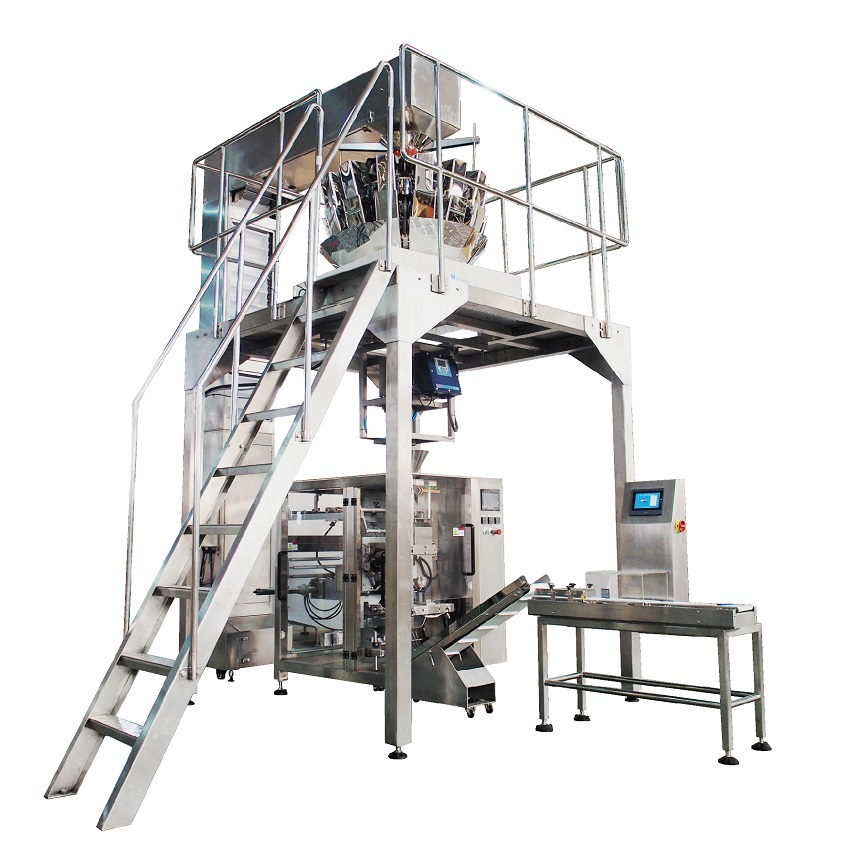
Product Feeding System
The product feeding system ensures that each item enters the packaging area smoothly and accurately. This system uses an unobstructed infeed zone, which allows products to move without interference. Spacing lugs maintain equal gaps between items, setting the correct bag length. A servo-driven film pull system keeps constant tension on the film, preventing product displacement and ensuring precise placement.
| Mechanism | Function |
|---|---|
| Unobstructed infeed zone | Smooth product entry, consistent placement |
| Spacing lugs | Maintains equal gaps, sets bag length |
| Servo-driven film pull | Constant film tension, accurate registration, prevents displacement |
Film Forming and Unwinding Unit
The film forming and unwinding unit handles various packaging films such as polyethylene, polypropylene, and layered films. The motorized unwinding unit accommodates different film types and ensures smooth feeding. The forming collar shapes the film into a tube around the product, preparing it for sealing.
- Common film materials: polyethylene, polypropylene, polyester, layered films
- Motorized unwinding unit: handles PVC, BOPP, OPP films
- Forming collar: shapes film into a tube
Sealing Mechanism
The sealing mechanism uses sealing jaws, heating elements, and pressure to create airtight packages. The jaws withstand high temperatures and repeated use. Heating elements melt and fuse the film, while pressure ensures a strong seal that maintains product freshness. Operators must control temperature, pressure, and sealing time for optimal results.
Cutting System
The cutting system works in perfect sync with the sealing process. Advanced control mechanisms coordinate the cutter shaft and sealing jaws, allowing precise cuts at the exact moment sealing occurs. Photoelectric sensors and motion controllers enhance accuracy, ensuring each package is separated cleanly and efficiently.
Control Panel
The control panel provides operators with full control over machine functions. They can adjust speed, sealing temperature, film tension, and cutting parameters. Real-time monitoring helps troubleshoot issues quickly. Modern panels also improve efficiency and safety with user-friendly interfaces and emergency stop features.
| Function | Description |
|---|---|
| Speed | Adjusts machine operation speed |
| Temperature | Controls sealing system temperature |
| Monitoring | Real-time performance tracking |
| Conveyor Speed | Sets conveyor movement for efficient packing |
| Film Tension | Adjusts film tension for proper packaging |
| Cutting Parameters | Sets cutting specifications |
Step-by-Step Operation of Pillow Type Packing Machine
Product Feeding
Operators begin by preparing the filler material, ensuring it is clean and ready for packaging. They feed the product into the machine through a hopper. The product feeding stage plays a crucial role in the overall efficiency of the pillow type packing machine. Consistent feeding maintains high throughput and reduces waste. Common challenges during this process include complicated initial setup, the need for extensive training, and maintenance difficulties. Operators must address these issues to achieve optimal performance.
Film Wrapping Around Product
The machine unwinds the packaging film and wraps it around the product. Active optical web-guiding systems detect the film's edge and adjust its position, maintaining alignment. Operators adjust film tension step-by-step to prevent misalignment and ensure even seals. Clean rollers and proper film installation also contribute to accurate wrapping. Adjustments to the infeed conveyor help maintain the correct film path. Different product shapes require specific settings for sealing temperature, sealing time, and traction speed. The table below shows how these parameters depend on material type, film thickness, and packaging speed.
| Parameter | Dependency | Description |
|---|---|---|
| Sealing Temperature | Material Type | Different films require varying heat settings based on their heat resistance. |
| Sealing Time | Film Thickness | Thicker films need longer sealing times, while thinner films require shorter times to avoid damage. |
| Traction Speed | Packaging Speed Synchronization | The film's pulling speed must match the overall packaging speed to prevent issues like stretching or wrinkling. |
Sealing Process
The pillow type packing machine uses heat sealing to create strong, airtight closures. Heating elements soften the packaging material, and pressure bonds the layers together. Operators control temperature and pressure carefully. If the temperature is too low, the seal will be weak. Excessive heat can burn the material. The sealing process preserves the shelf life and integrity of packaged products. Strong seals protect against moisture and oxygen, preventing spoilage and maintaining freshness.
- Heat sealing technology provides reliable airtight closures.
- Pressure sealing ensures consistent bonding of packaging layers.
Cutting and Shaping
The machine shapes the film over the forming tube, creating a circular form. It joins the film edges around the tube circumference to make a back seal. A bottom seal is created using heat to fuse the film. The cutting system operates in sync with the sealing mechanism, separating each package cleanly and efficiently. This process accommodates different product sizes and shapes, ensuring uniformity and precision.
Output and Collection
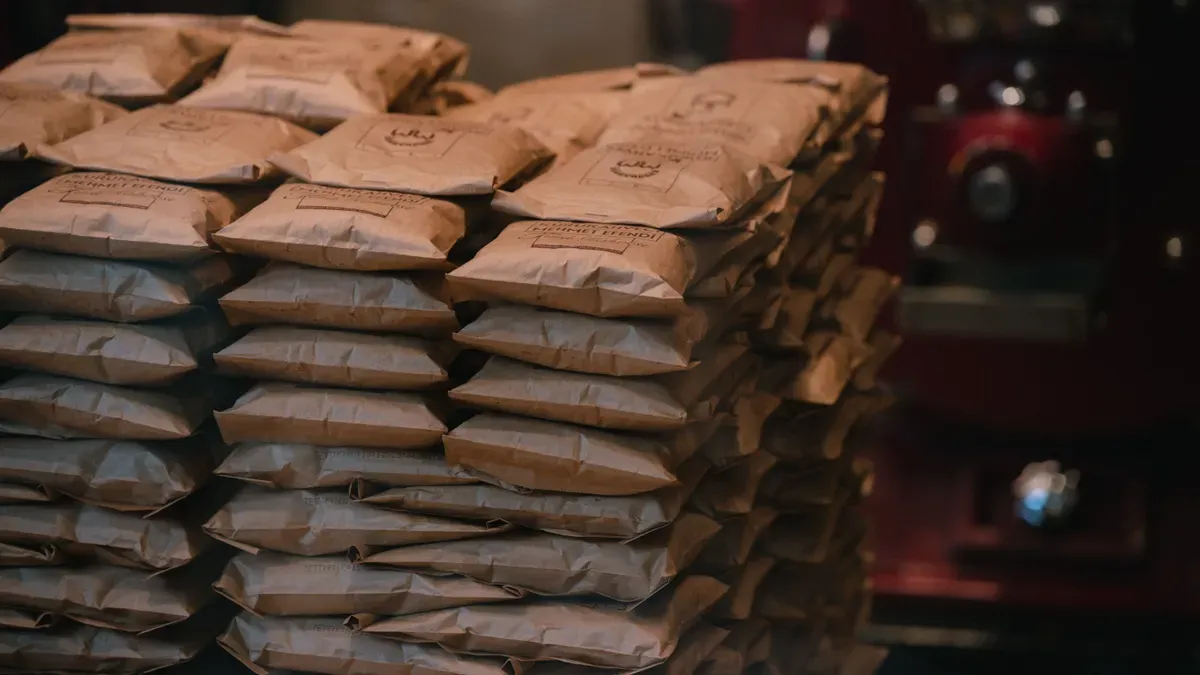
Finished pillow pouches exit the machine via a discharge conveyor. The system allows integration with additional equipment, such as metal detectors, checkweighers, or cartoning systems. Operators can configure the pillow type packing machine to function independently or as part of a larger production line. Efficient collection ensures that packaged products are ready for further processing or distribution.
- Discharge conveyor collects finished packages.
- Integration with quality control and automation systems enhances productivity.
Features and Applications of Pillow Type Packing Machine
Key Features
Manufacturers rely on advanced features to optimize packaging operations. The pillow type packing machine offers wide adaptability, precision sealing, and automation. Operators benefit from user-friendly touch screen PLC controls. Machines support eco-friendly materials, aligning with sustainability trends. High productivity rates ensure rapid output. Adjustable film positioning allows customization for different products. Maintenance access remains straightforward, reducing downtime.
| Feature | Description |
|---|---|
| Wide Adaptability | Handles POP, OPP, PE, APP materials |
| Precision Sealing | Electronic controls maintain consistent sealing temperatures |
| Automation | Touch screen PLC reduces manual labor |
| Sustainability | Supports biodegradable packaging materials |
| High Productivity | Produces 40–100 pillow packs per minute |
| Advanced Sealing Tech | Maintains product freshness and quality |
| Adjustable Film Position | Customizes packaging for various needs |
| Easy Maintenance Access | Quick servicing, minimal downtime |
Benefits for Manufacturers
Manufacturers experience significant improvements in efficiency and cost savings. Automated pillow type packing machines reduce labor costs by up to 75%. Production speed increases by 150–200%, reaching up to 120 pouches per minute. Material waste drops to 3–5%, cutting costs and supporting sustainability. Seal integrity rises to 99%, ensuring product protection. Predictive maintenance monitors components in real time, reducing unplanned downtime by 80%. Servo-driven systems consume less power, lowering utility expenses and boosting operational efficiency.
Common Applications
Industries use pillow type packing machines for a variety of products. Food manufacturers package snacks, chips, cookies, and candies. Pharmaceutical companies rely on these machines for tablets and powders. Cosmetic brands use them for beauty products. Electronics, stationery, and hardware sectors package items efficiently. The machine adapts to granular, strip, sheet, block, ball, and powder forms, making it suitable for rice, beans, nuts, pasta, pet food, and more.
A pillow type packing machine streamlines packaging by automating feeding, wrapping, sealing, and cutting. Companies value these machines for their reliability and adaptability. Key benefits include:
- Enhanced production efficiency for high-volume operations
- Reduced material costs by about 15%
- Minimized waste with less material per pouch
- Increased production output by 25% after switching to pouch packaging
Manufacturers seeking consistent quality and cost savings should consider this technology.
FAQ
Q: How does a pillow type packing machine handle different product shapes?
Operators adjust machine settings for each product shape. The system supports granular, block, sheet, ball, and powder forms with customizable packaging parameters.
Q: What maintenance does a pillow type packing machine require?
Technicians perform routine inspections, clean moving parts, and check sealing components. Predictive maintenance features help monitor wear and schedule timely servicing.
Q: Can the machine integrate with other production equipment?
Manufacturers connect pillow type packing machines to conveyors, metal detectors, and checkweighers. Integration streamlines workflow and improves quality control.
Post time: Jul-23-2026