
A Bread Packing Machine automates the process of enclosing bread in sealed packaging. This equipment plays a crucial role in modern bakeries by increasing efficiency and reducing labor costs. By sealing bread in back-sealed plastic bags, it preserves freshness, maintains product quality, and enhances the appearance of each loaf.
Bread Packing Machine: How It Works
Main Steps in the Packing Process
A Bread Packing Machine streamlines the packaging of bread through a series of precise steps. Each stage ensures that the bread remains fresh, undamaged, and ready for distribution. The following ordered list outlines the main steps involved in the packing process:
1.Preparation: Operators clean the machine and inspect the bread for quality. They ensure the bread has cooled properly before moving it to the infeed conveyor. The correct packaging material is selected at this stage.
2.Sorting: The machine arranges and positions each loaf. This step guarantees that the bread enters the packaging area in an orderly manner, minimizing the risk of breakage or deformation.
3.Packaging: The system places the bread into the chosen packaging material. The method can vary, including flow wrap, shrink wrap, or carton packaging, depending on the machine type.
4.Sealing: The machine uses heat or mechanical sealing to close the package securely. This step protects the bread from external contaminants and preserves its freshness.
5.Labeling: After sealing, the machine applies labels automatically. These labels provide essential information such as product name, expiration date, and batch number.
Tip: Consistent preparation and sorting help maintain high packaging quality and reduce waste.
Key Features and Functions
Modern Bread Packing Machines incorporate advanced technologies to deliver efficiency, precision, and reliability. The following features and functions set these machines apart in commercial bakery operations:
·Servo Control Technology: This feature enables high-precision packaging. The system makes real-time adjustments based on sensor feedback, ensuring each loaf receives consistent treatment.
·Programmable Logic Controllers (PLC): PLCs automate the operation of various components. They allow operators to program different packing processes, making the machine adaptable to a range of bread types and packaging styles.
·Touch Screen Interface: Operators interact with the machine through an intuitive touch screen. This interface provides real-time monitoring and easy access to settings, reducing the learning curve for new users.
·Sensor Technology: Sensors detect the presence, position, and quality of both bread and packaging materials. This technology ensures that only loaves meeting quality standards proceed through the system.
The following table highlights how these features contribute to consistent packaging quality:
| Feature | Description |
|---|---|
| Precise Positioning | Ensures exact placement and alignment of bread, enhancing reliability and trust in brands. |
| High-Speed Automatic Packer | Processes large volumes quickly, maintaining consistent quality in high-demand environments. |
| AI-Integrated Packaging System | Adjusts settings in real-time for optimal packaging, providing analytics for process improvement. |
| Servo-Driven Performance | Offers control and accuracy, essential for meeting industry standards in packaging quality. |
Bread Packing Machines also deliver impressive speed and efficiency. The table below shows the average packing speeds for common models used in bakeries:
| Model | Packing Speed (bags/min) |
|---|---|
| BS-350X | 20–180 |
| BS-450X | 30–150 |
| BS-600X | 30–150 |
Most bakeries report a return on investment within one to two years, demonstrating the cost-effectiveness of these machines.
Note: Regular cleaning and maintenance of the Bread Packing Machine help prevent issues such as wear on slicer parts, misalignment, and bacterial growth. Proper blade care and lubrication ensure optimal performance and longevity.
Bread Packing Machine Types and Packing Methods
Automatic Bread Packing Machines
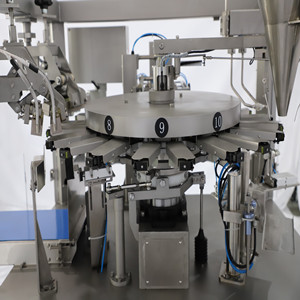
Automatic Bread Packing Machines dominate large-scale bakeries. These machines handle high-speed operations and deliver consistent packaging quality. They suit a wide range of bread types, including sliced bread, toast, pita, rolls, croissants, and flatbreads. Mass production bakeries rely on these machines for efficiency and reduced labor costs. Automated systems operate continuously, minimize human error, and improve product quality.
Note: Automatic models help bakeries meet high production demands and maintain hygiene standards.
Semi-Automatic Bread Packing Machines
Semi-automatic machines blend manual and automated processes. Operators load bread manually, while the machine completes sealing and labeling. These machines offer moderate efficiency and cost less than fully automatic models. They fit small to medium bakeries seeking improved productivity without a large investment.
| Type of Machine | Cost Range | Efficiency Level |
|---|---|---|
| Semi-Automatic Bread Packing Machines | A few thousand to ten thousand dollars | Moderate (some automation, manual loading) |
Manual Bread Packing Machines
Manual machines require operators to handle most steps. These machines suit bakeries with low production volumes. They offer a low-cost entry point but require more labor and time.
Loaf Baggers
Loaf baggers specialize in placing loaves into preformed bags. They protect bread shape and texture, especially for soft varieties. Pillow packing machines, for example, ensure individual packaging without damaging the loaf.
Heat-Shrink Packing
Heat-shrink packing uses film that shrinks tightly around bread when heated. This method creates a tamper-evident seal and enhances shelf appeal. It works well for both individual and multipack products.
Flow Pack Machines
Flow pack machines, also known as horizontal flow wrappers, automate feeding, bag making, sealing, and cutting. These machines deliver high speed, symmetrical sealing, and gentle handling. They suit bakeries aiming for enhanced freshness, improved hygiene, and cost-effective operations.
| Benefit | Description |
|---|---|
| Enhanced Freshness and Shelf Life | Airtight seal prevents exposure to air and moisture, keeping bread fresh longer. |
| Increased Efficiency and Speed | Significantly speeds up the packaging process, meeting high production demands while maintaining quality. |
| Improved Hygiene and Food Safety | Reduces human contact, minimizing contamination risks and ensuring safety for consumers. |
| Cost-Effective Operations | Streamlines packaging, reduces waste, and minimizes labor costs, leading to long-term savings. |
| Customizable Packaging Solutions | Offers various options for packaging size and sealing methods, tailored to different types of bread. |
Bread Packing Machine Benefits and Considerations
Advantages of Using a Bread Packing Machine
Commercial bakeries gain significant advantages by implementing a Bread Packing Machine. These machines help maintain product quality, improve operational efficiency, and support food safety standards. The table below outlines the primary benefits:
| Benefit | Description |
|---|---|
| Freshness Preservation | Extends the freshness of bread by sealing packaging, preventing air and moisture from causing staleness. |
| Increased Shelf Life | Creates an airtight seal that helps bakery products last longer, reducing waste and saving money. |
| Convenience | Allows easy resealing of bread bags, eliminating the hassle of twist ties or clips. |
| Hygiene | Keeps out contaminants, ensuring safety in commercial food handling environments. |
| Cost-Efficiency | Reduces food spoilage and waste, improving the bottom line for bakeries. |
| Versatility | Can seal various bakery products and non-bakery items, enhancing usability. |
| Freshness Guarantee | Provides consumers with assurance that products will stay fresh longer, boosting satisfaction. |
| Reduced Environmental Impact | Helps minimize food waste, contributing to environmental sustainability. |
Automated packaging also lowers labor costs and increases productivity. By automating repetitive tasks, bakeries can ensure consistent packaging quality and streamline their production lines. Enclosed packaging environments and sanitary sealing mechanisms help bakeries meet strict food safety standards and maintain consumer trust.
Factors to Consider When Choosing a Machine
Selecting the right packing solution requires careful evaluation of several factors. Bakeries should assess their production volume, product variety, and operational needs. The following table highlights important considerations:
| Feature | Description |
|---|---|
| Efficiency | Machines should enhance speed and reliability for better productivity. |
| Automation | Automated machines save time but may require training for operation. |
| Ease of Use | Simple interfaces improve workflow and reduce errors. |
| Durability | High-quality materials ensure longevity, though they may have higher costs. |
| Flexibility | Machines should accommodate various bread sizes and types. |
Other important points include:
·Proper calibration reduces over-packaging and waste.
·Advanced automation minimizes errors and optimizes material usage.
·Sustainable material choices and energy-efficient machines support environmental goals.
·Smaller bakeries may benefit from semi-automatic models, while larger bakeries often require fully automated systems.
Tip: Collaborating with packaging suppliers can help optimize design and material use, further reducing waste and supporting sustainability.
Bread packing machines protect bakery products from dust, moisture, and heat. They offer options for every bakery, from high-speed automatic models to precise manual machines. Bakeries should consider product size, production volume, material compatibility, and ease of cleaning before selecting the right solution for their needs.
FAQ
What types of bread can a bread packing machine handle?
A bread packing machine can package sliced bread, rolls, baguettes, pita, and specialty loaves. It adapts to different shapes and sizes with ease.
How often should operators clean a bread packing machine?
Operators should clean the machine daily. Regular cleaning prevents contamination and maintains optimal performance.
Can one machine package other products besides bread?
Yes. Many bread packing machines also package snacks, cookies, dried fruits, and other granular or block-shaped foods.
Post time: May-15-2026