
Choosing the right flow wrap machine is a critical decision for any packaging operation. The global market for this equipment shows strong growth, with projections indicating a Compound Annual Growth Rate (CAGR) between 4.7% and 5.3% leading into the next decade. A new machine offers businesses the latest technology, comprehensive warranties, and maximum reliability. Conversely, a used machine presents a lower upfront Flow Wrap Machine Price. This option suits operations with tight budgets and the in-house technical skill to manage potential maintenance risks effectively.
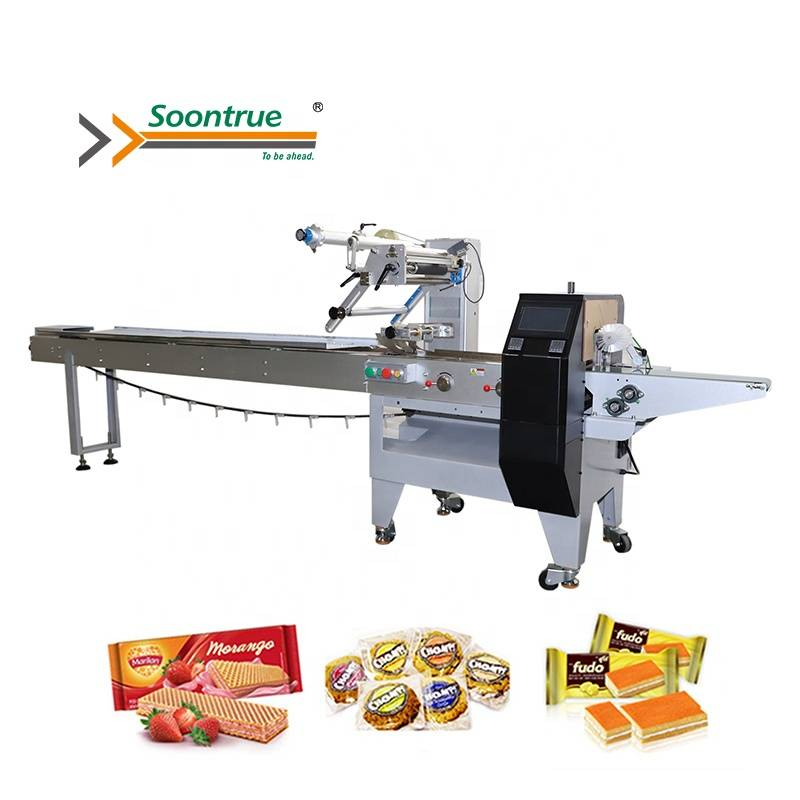
Understanding the Flow Wrap Machine Price
The initial investment is a primary factor in any equipment purchase. A comprehensive analysis goes beyond the sticker price to evaluate long-term value.
The Upfront Cost of New Machines
The price of a new flow wrap machine varies significantly based on its speed, features, and complexity. Businesses can find entry-level models for simple applications, like wrapping candy, for as little as $2,400. Mid-range machines, designed for products like cutlery or vegetables, typically fall between $9,000 and $12,000. High-end, specialized systems, such as reciprocating wrappers for delicate produce, can exceed $26,000. This investment directly correlates with performance capabilities.
·Low-Speed Models: Produce 40–80 bags per minute, ideal for fragile items.
·Mid-Speed Models: Handle 80–140 bags per minute, suiting most bakery and hardware goods.
·High-Speed Models: Exceed 140 bags per minute for high-volume consumer products.
The Upfront Cost of Used Machines
A used machine offers a substantially lower upfront Flow Wrap Machine Price, often 40-60% less than a comparable new model. This immediate saving is attractive for businesses with limited capital. However, the price depends heavily on the machine's age, condition, brand reputation, and included features. A lower initial cost may reflect older technology or significant wear, which can impact future operational expenses.
Calculating Total Cost of Ownership
A smart purchasing decision looks beyond the initial price tag to the Total Cost of Ownership (TCO). TCO provides a complete financial picture of the machine's life cycle. A lower upfront Flow Wrap Machine Price does not always guarantee the lowest TCO.
Key TCO Factors to Consider:Capital Costs: Include equipment design, shipping, installation, and validation testing.Operational Costs: Cover ongoing expenses like staff training, labor requirements, and utilities.Maintenance Costs: Encompass spare parts, wear parts, and the availability of aftermarket support.
Evaluating these factors helps a business determine the true long-term cost of the equipment.
Performance and Technology
Technology and performance capabilities create a significant gap between new and used equipment. A new machine provides access to the latest innovations, while a used machine offers proven, albeit older, functionality.
Latest Features in New Machines
New flow wrappers for 2026 deliver major leaps in efficiency and versatility. Manufacturers design these systems with intelligent automation and modular components for rapid changeovers. Recent models, like the Hayssen R300 and ULMA FR 400 TWIN, focus on user-friendly controls and high-speed output for sectors like bakery and confectionery. Key advancements include:
·AI-driven defect detection
·Predictive maintenance alerts via IoT integration
·Servo-driven mechanisms for precise control
·Compatibility with new recyclable and biodegradable films
·High-speed throughput with improved energy efficiency
Capabilities of Used Machines
A used flow wrap machine reliably performs its fundamental task: wrapping products. However, its capabilities reflect the technology of its era. Many older models rely on mechanical components instead of modern servo drives, making them less precise and slower to adjust. They may lack the advanced sensors for features like "no-product-no-bag" and might not handle modern, eco-friendly film materials as effectively as new systems.
Software and System Integration
Modern software is the brain behind a new machine's performance. Features like automatic film splicing nearly eliminate downtime from roll changes, allowing for continuous operation. This integration streamlines production and reduces material waste. The value of these advanced systems often justifies a higher Flow Wrap Machine Price through long-term operational savings. As one industry expert notes, the goal is to automate the process as much as possible.
Our overall goal is to eliminate all downtime in the operation of a machine due to roll change operations... it would be nice if the operator had to do 10 percent of what they do today to execute a roll change on one of those pouching lines.
This level of automation, driven by smart controls and system integration, is a defining feature of new equipment.
Reliability, Maintenance, and Support
A machine's dependability directly impacts production output and profitability. The decision between new and used equipment involves a trade-off between upfront cost and long-term operational stability.
Downtime Risk: New vs. Used
New machines provide the highest level of reliability. They operate with fresh components and the latest engineering, minimizing the risk of unexpected breakdowns. Used machines, conversely, carry a greater risk of downtime due to component wear and tear. Aging equipment is susceptible to several common points of failure that can halt production.
Common Failure Points in Older Machines:
·Mechanical & Electrical: Worn transmission parts, faulty wiring, and blown fuses are frequent issues.
·Operational Errors: Problems like poor film sealing, wrinkled wrapping material, and product jams often stem from misaligned or worn-out components.
·Software & Sensors: Failures in the photoelectric eye, sensors, or touch screen can lead to incorrect cutting and sealing.
Warranty and Manufacturer Support
A significant advantage of a new machine is the comprehensive support package. Manufacturers typically provide a warranty that covers parts and labor for a specified period. For instance, some new models like the PAC FW 350T Flow Wrapper include a 2-year limited warranty. This coverage protects the business from unexpected repair costs. Beyond the warranty, manufacturers offer invaluable support, including professional installation, operator training, and dedicated technical assistance. Most used machines are sold "as-is," leaving the buyer responsible for all post-purchase issues and repairs.
Sourcing Parts and Repairs
Maintaining a flow wrap machine requires access to replacement parts and skilled technicians. With a new machine, sourcing parts is straightforward; the operator simply contacts the original equipment manufacturer (OEM). The OEM guarantees that the parts are correct and available. Finding parts for an older, used machine can be a major challenge. Parts may be obsolete and no longer in production. This forces businesses to hunt for third-party suppliers or invest in custom fabrication, leading to extended downtime and higher costs. Without OEM support, repairs depend entirely on the availability of independent technicians familiar with that specific model.
Making the Right Choice for Your Business
The final decision between a new and a used flow wrapper hinges on a careful assessment of your company's budget, production needs, and long-term strategic goals. Each path offers distinct advantages for different operational profiles.
When to Invest in a New Machine
A new machine is the definitive choice for businesses prioritizing long-term growth, regulatory compliance, and operational excellence. Companies with established production lines or those planning significant expansion find that the benefits of a new machine far outweigh the higher initial investment.
Certain industries have regulations that make new equipment almost mandatory. The pharmaceutical industry, for example, operates under stringent rules for product safety, requiring features like tamper-evident seals and sterile packaging that new machines provide. Similarly, the food industry benefits from modern wrappers that extend shelf life and prevent contamination. Regulatory bodies like the FDA continuously push for innovations in sustainability and food safety, standards that 2026 models are built to meet.
Investing in new technology is also a strategic move to secure a competitive advantage. A new machine supports key business objectives, including:
·Offering New Products: Advanced capabilities allow for diverse packaging options.
·Accessing New Markets: Meeting international standards becomes easier.
·Increasing Competitiveness: Automation can reduce the cost differential between domestic and overseas production.
·Enhancing Quality and Reputation: Consistent, high-quality packaging builds brand trust.
·Scaling Up Output: High-speed models support rapid business growth.
For businesses in these positions, a new machine is not just an expense; it is a foundational investment in future success and market leadership.
When a Used Machine Makes Sense
A used machine is a practical and intelligent option for businesses with specific operational characteristics. Startups, small-scale operations, and companies with tight capital budgets can leverage the lower Flow Wrap Machine Price to launch or sustain their production without a prohibitive upfront cost. More affordable used models, such as pillow pack machines, provide an accessible entry point into automated packaging.
This path is best suited for organizations that possess strong in-house technical expertise. The ability to diagnose, service, and source parts for older equipment is non-negotiable. A used machine purchase is a calculated risk, and success depends on thorough due diligence before the sale is final.
Buyer's Checklist: Key Inspection Points for a Used MachineBefore committing, a buyer or their technician should conduct a detailed inspection. A lower upfront cost means little if the machine requires immediate, expensive repairs.
Component Group What to Check Controller & Software Confirm the recipe settings are correct. Inspect the touch screen and sensors for proper function. Package Formation Verify the forming box is the correct size and properly tightened. Check that deck plates and guards are secure. Sealing Jaws Look for wear, damage, or contamination. Perform a carbon impression test to check alignment and clearance. Cutting & Sealing Ensure knives are adjusted correctly and cut cleanly. Verify that the machine achieves a good seal consistently. Mechanical Parts Assess fin wheels for wear. Check for excessive backlash or free play in the main shafts.
If a business has the budget constraints and the technical skill to manage these factors, a used machine offers a powerful way to boost production capability immediately.
A new flow wrapper represents an investment in long-term security and peak performance. The higher upfront cost delivers advanced technology and manufacturer support. Conversely, a used machine provides significant initial savings but carries inherent risks and potential for greater long-term expenses.
A buyer's final choice depends on a careful evaluation of their budget, production demands, and risk tolerance. This strategic assessment ensures the selected equipment aligns with the company's operational goals and financial reality.
FAQ
What is the typical lifespan of a flow wrap machine?
A new machine often lasts 15-20 years with proper care. A used machine's lifespan depends on its initial quality, age, and maintenance history. Regular servicing extends the operational life of any model, ensuring a better return on investment.
Can a used machine handle modern sustainable films?
New machines are designed for modern eco-friendly films. Many used machines may struggle with these materials due to older technology.
A buyer should always test film compatibility on a used model before purchasing. This simple step confirms the machine meets current packaging requirements.
How important is a manufacturer's warranty?
A warranty provides significant financial protection. It covers unexpected repair costs for a set period. This manufacturer support is a key advantage of buying new equipment. It ensures operational stability and peace of mind for the business owner.
What are the hidden costs of a used machine?
Potential hidden costs for used machines include immediate repairs, sourcing obsolete parts, and extended production downtime. A thorough pre-purchase inspection helps identify these risks. This diligence helps a buyer avoid major unexpected expenses after the sale.
Post time: Dec-19-2025