
An automated lollipop packing machine is a marvel of modern engineering. This equipment executes a precise sequence of actions. It feeds lollipops from a sorting disc, aligns them perfectly, and wraps each one in film. The machine then seals the wrapper and discharges the finished product. This highly efficient process ensures each candy is wrapped consistently and hygienically at incredible speeds. The global confectionery packaging market, valued at approximately USD 11.00 billion in 2024, is projected to reach USD 15.39 billion by 2033, highlighting the industry's significant scale. A single lolipop packing machine can handle various product types with impressive efficiency.
Note: Production speeds can vary based on the product. For example, a machine might pack larger lollipops at 30 pieces per minute while handling smaller mints at over 60 pieces per minute.
This automated lollipop packing machine is key to meeting consumer demand.
Key Components of a Modern Lollipop Packing Machine
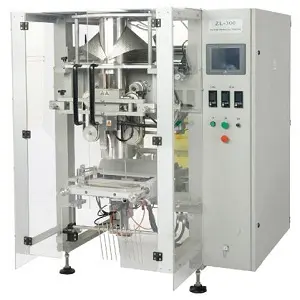
A modern lollipop packing machine integrates several key components to achieve its high-speed, automated function. Each part performs a specific task in a synchronized sequence. Manufacturers construct the main parts from 304 stainless steel. This material choice complies with strict food hygiene (QS) and pharmaceutical (GMP) standards, ensuring product safety. Understanding these core components reveals the genius behind the machine's efficiency.
The Vibrating Sorting Disc
The process begins at the vibrating sorting disc. This large, bowl-shaped component receives lollipops in bulk from a hopper. It uses controlled vibrations to gently separate the candies. The vibrations guide the lollipops along a spiral track toward the edge of the disc. This action untangles the lollipops and arranges them into a single file line, preparing them for the next step.
The Conveyor or Feeding Chain
Once sorted, each lollipop moves onto the conveyor or feeding chain. This mechanism acts as the main transport artery of the machine. It features precisely spaced grippers or slots that hold each lollipop securely. The chain moves continuously, carrying the candies in a perfect, orderly procession toward the wrapping station. This consistent spacing is critical for flawless wrapping.
The Film Feeding System
The film feeding system manages the wrapping material. It holds a large roll of film and carefully unwinds it as needed. This system works with several types of materials, demonstrating its versatility. Common wrapping films include:
·Cellophane
·Biaxially Oriented Polypropylene (BOPP)
·Heat-sealable foil
·Polyurethane
The system pulls the film, measures the exact length required for one lollipop, and positions it for the wrapping cycle. This precision ensures minimal waste and a consistent appearance for every finished product.
The Sealing and Cutting Jaws
The sealing and cutting jaws represent the final, decisive action in the wrapping process. These powerful mechanical components perform two critical tasks simultaneously: creating a secure seal and separating the individually wrapped lollipops. The jaws work in perfect harmony with the conveyor and film feeder, ensuring each package is flawlessly finished. Their design is fundamental to the overall speed and quality of the lollipop packing machine.
These jaws apply controlled heat and pressure to fuse the wrapping film together. This action creates the end seals that enclose the candy. A separate mechanism typically creates the longitudinal "fin seal" along the length of the stick. The type of jaw used often depends on the desired speed and seal integrity.
Jaw Technology Showdown: Rotary vs. Box Motion
Two common types of sealing jaws offer different advantages:
- Rotary Jaws: These are ideal for high-speed applications like confectionery. The jaws meet briefly in the middle, allowing for rapid sealing, though the seal may not be as strong.
- Box Motion Jaws: This design provides a longer sealing time. It creates a strong, hermetic (airtight) seal, making it suitable for thicker films or when Modified Atmosphere Packaging (MAP) is required to extend shelf life.
Integrated within the jaw assembly is a high-precision cutting blade. As the jaws clamp down to seal the film between two lollipops, the blade swiftly cuts through the center of the sealed area. This single, fluid motion separates the newly wrapped lollipop from the film supply, preparing it for discharge. The precise timing of this cut-and-seal action is what allows the machine to produce a continuous stream of perfectly packaged products.
Step 1: Feeding and Sorting the Lollipops
The entire automated packaging journey begins with a crucial first step: transforming a chaotic bulk supply of lollipops into an orderly, single-file stream. This stage sets the foundation for the high-speed wrapping process that follows. The machine accomplishes this task with remarkable efficiency, ensuring a smooth and continuous operation from the very start. Every subsequent action depends on the precision achieved here.
Loading into the Hopper
The process initiates when an operator loads unwrapped lollipops into a large container called a hopper. This hopper acts as a reservoir, holding a significant quantity of candies. It feeds them gradually into the sorting system. The design of the hopper ensures a steady supply without overwhelming the machine. This initial loading is one of the few points requiring direct human interaction in an otherwise fully automated sequence.
How the Sorting Disc Works
From the hopper, the lollipops fall onto the vibrating sorting disc. This component is the heart of the sorting process. The disc uses controlled, high-frequency vibrations to achieve several objectives simultaneously.
·The vibrations gently agitate the pile of lollipops.
·This movement untangles any clustered candies.
·The vibrations propel the individual lollipops outward along a spiral track built into the disc's surface.
This clever use of vibration physics turns a jumbled mass into a manageable line of products.
Orienting Lollipops for a Perfect Flow
The final task of the sorting disc is to orient each lollipop correctly. The spiral track contains specially designed grooves and guides. As a lollipop travels along this path, its stick naturally falls into a designated channel. This action forces every candy into a uniform position, typically with the stick pointing outward.
Alignment is Everything! Proper orientation is non-negotiable. If a lollipop enters the next stage backward or sideways, it can cause a jam, halt production, and lead to wasted product and film. The sorting disc's design guarantees each candy is perfectly positioned for a flawless handoff to the conveyor chain.
This precise alignment ensures a perfect flow, preparing each lollipop for the wrapping station.
Step 2: Aligning and Positioning for Wrapping
After sorting, the lollipops embark on a journey toward the wrapping station. This second step is all about precision and control. The machine must transport each candy while maintaining its perfect orientation and spacing. This flawless alignment is the bridge between sorting and wrapping, ensuring a smooth, uninterrupted production flow. Any error here could disrupt the entire process, making this stage critical for high-speed efficiency.
Moving Along the Conveyor Chain
The oriented lollipops transfer from the sorting disc to the main conveyor chain. This chain is equipped with a series of pushers or grippers. Each pusher corresponds to a single slot, creating a dedicated space for one lollipop. The chain moves at a constant, synchronized speed. It carries the line of candies forward in a perfect procession. This mechanism maintains the exact distance between each lollipop, which is essential for the timing of the wrapping and sealing actions to come.
The Role of Sensors and Guides
The machine uses advanced technology to monitor the lollipops during transport. Photoelectric sensors are positioned along the conveyor path. These sensors detect the presence or absence of a candy in each slot. This information allows the machine to make intelligent decisions, such as skipping a wrap cycle if a slot is empty. In addition to sensors, fixed mechanical guides run parallel to the conveyor chain. These guides prevent the lollipops from vibrating out of position, ensuring they remain perfectly centered as they approach the wrapping head.
Ensuring Precise Placement for the Wrapper
The ultimate goal of this step is to deliver each lollipop to the wrapping film with pinpoint accuracy. The combination of the conveyor's fixed spacing, the sensors' monitoring, and the guides' stability guarantees this outcome. The lollipop must arrive at the exact microsecond the film is in place. This perfect timing ensures the candy head is centered on the wrapper before it is folded and sealed.
Smart Savings: No Product, No Package! The sensors play a key role in efficiency. If a sensor detects a missing lollipop, it signals the lollipop packing machine to not feed the wrapping film for that empty slot. This feature prevents wasted film and avoids empty packages on the production line.
This meticulous positioning is the secret to a consistently tight and professional-looking wrap on every single piece.
Step 3: Applying the Wrapping Film
With each lollipop perfectly positioned, the machine begins the intricate process of applying the wrapper. This step transforms a simple roll of film into a protective and attractive package. The system executes three distinct actions in rapid succession: unwinding the film, cutting it to size, and forming it around the candy. This synchronized dance of mechanics and materials is central to the machine's function.
Unwinding the Film Roll
The process starts with a large roll of wrapping film mounted on a spindle. A sophisticated film feeding system unwinds this material. Maintaining correct film tension is absolutely critical during this stage. Advanced servo motors, often working with dancer rolls or load cells, provide dynamic control. They adjust torque in real-time to ensure the film unwinds smoothly without slack or excessive strain.
The Tension Tightrope Proper tension control is a delicate balance that prevents common production flaws.
·Too much tension can stretch the film, shrink its width, or even crush the roll's core.
·Too little tension can cause loose rolls, trapped air, and "telescoping," where film layers slide out of alignment.
This precise management guarantees the film remains flat and stable as it travels toward the cutting station.
Cutting the Film to the Perfect Size
As the film unwinds, a set of rollers pulls it forward. The machine's control system measures the exact length of film needed for a single lollipop. Once the correct length is fed, a high-speed cutting mechanism activates. A sharp rotary blade makes a swift, clean cut, separating one rectangular piece of wrapper from the continuous film web. This action is timed perfectly with the arrival of the next lollipop on the conveyor, ensuring no material is wasted.
Forming the Wrapper Around the Candy Head
The cut piece of film is now positioned directly in the path of the oncoming lollipop. As the conveyor pushes the candy forward, it makes contact with the center of the wrapper. Mechanical guides and folding plates immediately go to work. They expertly fold the film up and around the candy head, creating a tube-like shape around the lollipop. This initial forming action prepares the wrapper for the final sealing step, ensuring the candy is neatly encased and ready for a secure closure.
Step 4: Sealing the Wrapper
Once the film envelops the candy, the machine performs the critical step of sealing. This action transforms the loose wrapper into a secure, protective package. The system uses a combination of heat, pressure, and precise mechanical movements. It creates a durable closure that preserves the lollipop’s quality from the factory to the consumer. This stage finalizes the individual packaging process with speed and reliability.
How Heated Jaws Create a Seal
The primary method for sealing involves heated jaws. These components apply controlled heat and pressure to the wrapping film. Polypropylene (PP/OPP) film is a widely used material for wrapping candies, valued for its inner sealant layer. This layer is designed to protect against dirt, dust, and moisture. For heat-sealing these candy wrappers, the sealing temperature generally falls within a range of 90°C to 160°C. The optimal temperature depends on factors like the specific film type and its thickness. The jaws press the film layers together, melting the sealant and fusing them into a single, strong bond.
Creating the Classic Twist Wrap Seal
Many lollipops get their iconic look from a twist wrap seal. The machine creates this nostalgic finish with remarkable precision. After folding the film around the candy head, a set of mechanical grippers holds the lollipop securely. At the same time, twisting fingers clamp down on the bunched film at the base of the candy. These fingers then rotate quickly, twisting the film tightly against the stick.
A Timeless Finish The twist wrap is more than just a seal. It provides a classic, recognizable appearance that consumers have associated with lollipops for generations.
Making the Longitudinal Fin Seal
For lollipops packaged in a flow-wrap style, the machine creates a longitudinal fin seal. This is the straight seam that runs along the length of the stick. To form it, a pair of heated rollers presses the two edges of the film tube together. This continuous application of heat and pressure creates a flat, strong "fin." This seal offers excellent product protection and security.
·Extended Shelf Life: The seal creates a barrier against moisture, oxygen, and contaminants, which significantly prolongs the product's freshness.
·Tamper Evidence: The robust nature of the seal provides clear indication if the package has been opened or interfered with.
Step 5: Cutting and Discharging the Final Product
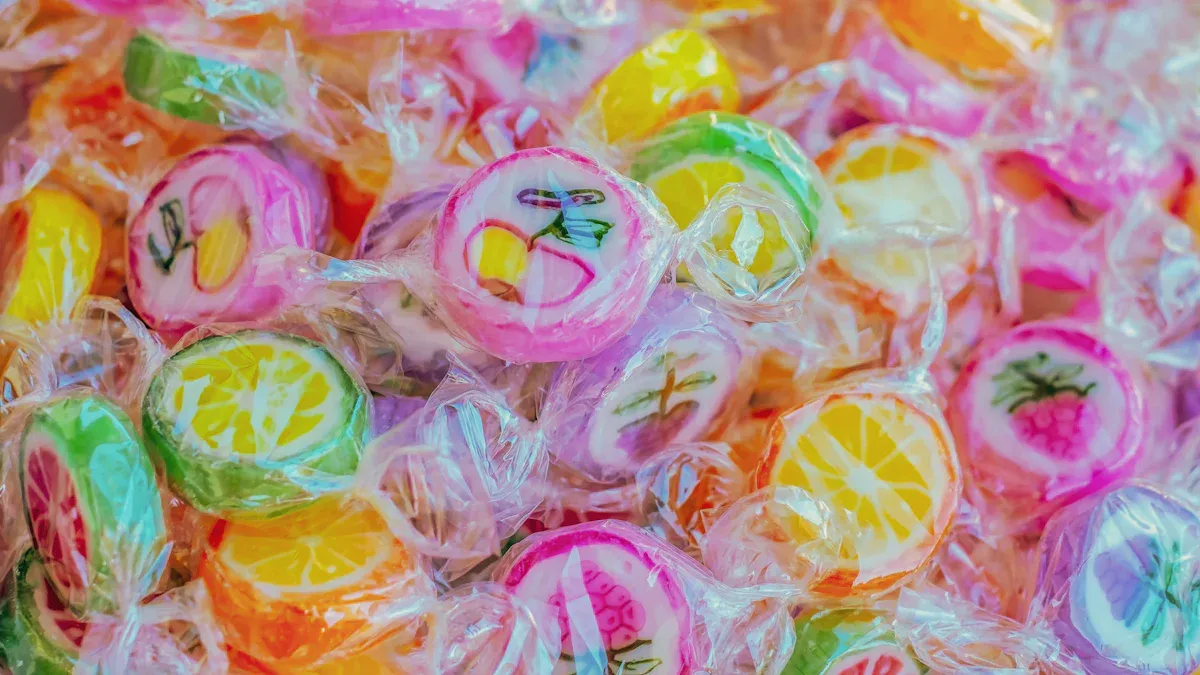
The final step in the automated sequence involves the decisive actions of cutting and discharging. This stage transforms the continuous chain of wrapped candies into individual, shelf-ready products. The machine executes this with incredible speed, finalizing the packaging process and preparing the lollipops for their journey to the consumer. It is the culmination of all previous synchronized movements.
The High-Speed Cutting Mechanism
Integrated within or alongside the sealing jaws is a high-speed cutting mechanism. This component is responsible for separating each lollipop with surgical precision. The blades are engineered from high-strength materials like hardened or stainless steel. This construction allows them to maintain exceptional sharpness and wear resistance during intensive, high-volume production. The mechanism activates in perfect sync with the sealing jaws, making a clean cut through the center of the end seal.
Separating Individual Lollipops
As the jaws seal the film, the blade swiftly descends to separate the newly packaged unit. The type of blade, such as a guillotine or cut-off knife, is chosen for its ability to perform fast and precise cuts without tearing the film. Different cutting edges, from straight to serrated, are used depending on the packaging material. This action cleanly divides the finished lollipop from the continuous web of film trailing behind it, creating a neat and professional-looking package.
The Perfect Cut A clean, precise cut is essential for both aesthetics and function. A poor cut can result in jagged edges, which look unprofessional, or incomplete separation, which can cause jams and halt production.
Discharging for Secondary Packaging
Once cut, the individual lollipops fall onto a discharge conveyor belt. This belt transports the finished products away from the main wrapping area. In many modern facilities, this discharge conveyor feeds directly into secondary packaging systems. These automated systems, such as cartoners or container fillers, take over the next phase. They efficiently collate the lollipops and load them into larger containers like display boxes, multipack bags, or shipping cases, preparing them for safe transport and retail presentation.
The journey through a lollipop packing machine concludes a five-step sequence: feeding, aligning, wrapping, sealing, and cutting. This automated process is key to high-speed, consistent packaging, with some machines wrapping up to 600 pieces per minute, significantly reducing labor costs. It transforms a simple candy into a shelf-ready product with precision and speed.
Pro Tip for Longevity To ensure peak performance, operators must perform regular maintenance. This includes cleaning away syrup residue, inspecting components, and lubricating moving parts to prevent wear.
Ultimately, this automated process ensures quality from the factory to the consumer.
FAQ
How fast can a lollipop packing machine operate?
A machine's speed depends on the lollipop's size and the machine's model. High-speed machines can wrap between 200 and 600 pieces per minute. Smaller, more basic models may operate at a slower pace, but they still offer significant efficiency gains over manual packing.
Can one machine handle different lollipop shapes and sizes?
Yes, modern machines offer excellent versatility. Operators can adjust the sorting disc, conveyor grippers, and sealing mechanisms to accommodate various product dimensions.
Adaptability is Key! Most machines require change parts to switch between significantly different lollipop shapes, such as from a flat lollipop to a ball-shaped one. This ensures a perfect wrap every time.
What maintenance does a lollipop packing machine require?
Regular maintenance ensures longevity and optimal performance. Key tasks include:
·Cleaning sugar and film residue from components.
·Inspecting blades and jaws for wear.
·Lubricating moving parts like chains and bearings.
·Calibrating sensors for accurate detection.
What is the price range for a lollipop packing machine?
The cost varies widely based on speed, features, and automation level. A basic, semi-automatic machine might cost a few thousand dollars. In contrast, a fully automated, high-speed system integrated into a larger production line can cost upwards of $50,000 or more.
Post time: Dec-05-2025