
Tip 1: Implement a Daily Cleaning and Inspection Routine
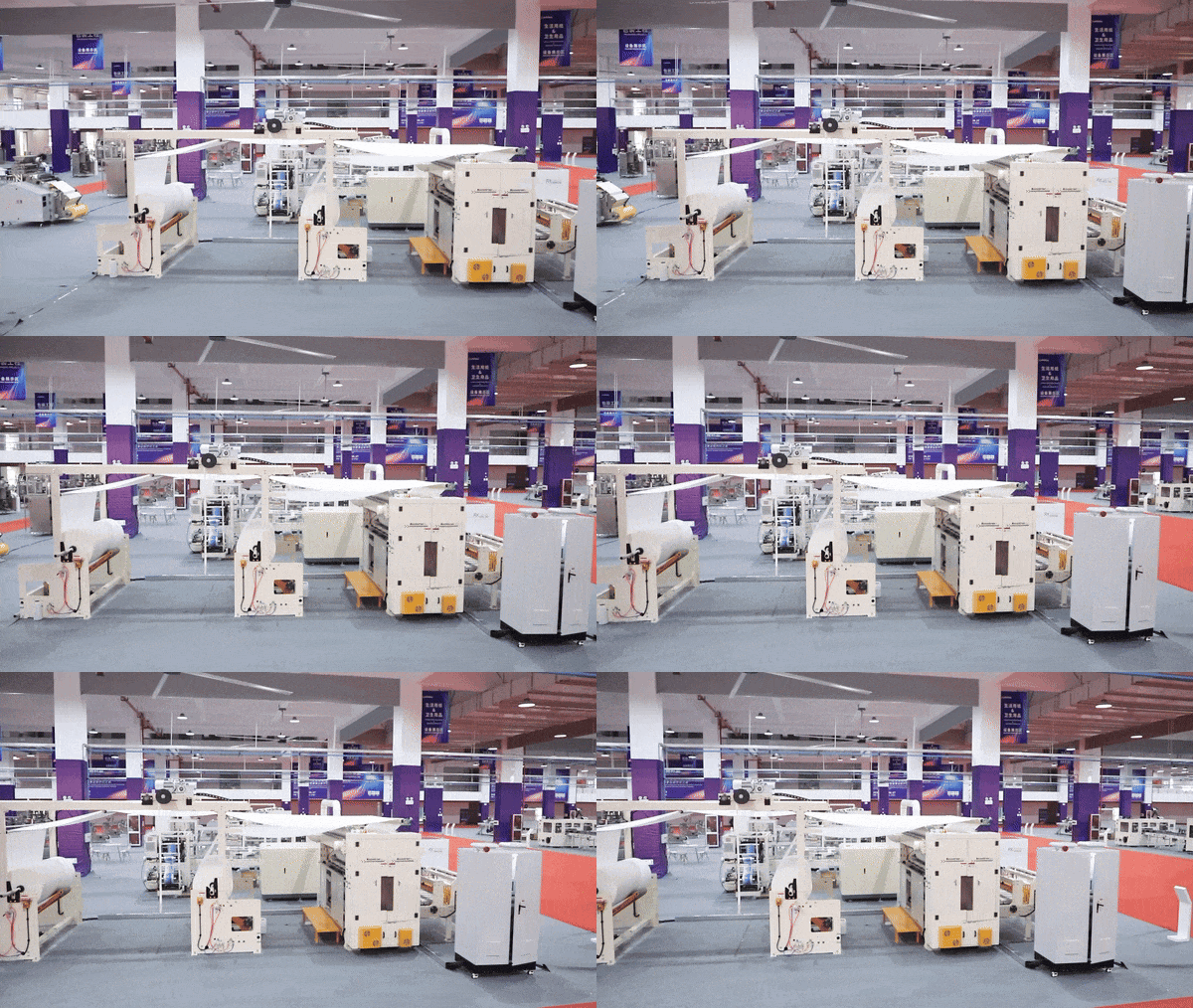
Consistent cleaning is the first line of defense against unexpected downtime. A clean machine is a reliable machine. This simple, daily habit prevents minor issues from escalating into major, production-halting failures.
Why Daily Cleaning is Non-Negotiable
Product buildup is a primary cause of operational failure. Over time, poor cleaning practices lead to significant problems. Key sources of contamination include:
·Accumulation of product residues and dust
·Improper and incomplete seals from product overfill
Food substances like sauces and pickles can easily block seal bars. This requires thorough cleaning after each cycle to prevent sealing issues. Neglecting this step compromises product quality and machine performance. A clean premade pouch packing machine ensures consistent, high-quality seals and reduces the risk of mechanical faults.
How to Create an Effective Cleaning Checklist
An effective cleaning checklist removes guesswork and ensures consistency. Companies should develop a standardized document for operators. This checklist should detail specific tasks, required cleaning agents, and necessary tools. It can break down the process by machine area, such as the filling station, sealing jaws, and conveyor belts. Visual aids, like photos or diagrams, can clarify complex steps and improve operator compliance.
The Power of Daily Visual Inspections
Daily visual inspections empower operators to spot potential problems early. This proactive approach is much more effective than reacting to a breakdown. Operators become familiar with the normal sights and sounds of their equipment.
Expert Tip: Train operators to look for signs of wear, loose fittings, or unusual vibrations during their daily cleaning routine. This simple check can identify issues like frayed wires or leaking lubricants before they cause a shutdown. This practice transforms operators into the first line of maintenance defense.
Key Areas to Inspect on Your Premade Pouch Packing Machine
A focused inspection routine helps operators identify wear before it leads to failure. While every machine has unique aspects, certain components universally demand daily attention. Operators should build a habit of methodically checking these critical zones to maintain peak performance.
A daily walkthrough should cover components that directly interact with the product and pouches. These parts often show the first signs of contamination or misalignment. Key areas for this check include:
·Sensors: Operators must inspect sensors for dirt or product residue that can cause false readings.
·Vacuum Pads: A check for wear or malfunction ensures proper pouch opening.
·Sealing Jaws and Bars: Technicians should look for scratches or buildup that could compromise seal integrity.
·Air Valves: A quick inspection can spot problems with air pressure or leaks.
·Hoppers and Feeders: These areas need to be clear of blockages for consistent product flow.
·Cutting Blades: A visual check confirms the blades are sharp and free from debris.
Beyond daily surface checks, some mechanical parts wear out faster than others and are frequent culprits of downtime. Maintenance logs show that a few specific components fail most often on a premade pouch packing machine. Operators should pay special attention to these high-wear parts.
Top 3 High-Wear ComponentsMaintenance data consistently points to three parts as the most frequent sources of mechanical failure:
1.Belts: Look for signs of fraying, cracking, or improper tension.
2.Bearings: Listen for grinding noises that indicate a lack of lubrication or imminent failure.
3.Gears: Visually inspect for worn or broken teeth.
The cutter also requires close monitoring, as a dull or damaged blade can tear bags and create waste. A systematic inspection of these areas transforms a simple daily check into a powerful tool for preventing unplanned stops.
Tip 2: Follow a Strict Lubrication Schedule
Proper lubrication is the lifeblood of any mechanical system. It reduces friction between moving parts, dissipates heat, and prevents corrosion. A disciplined lubrication strategy is essential for extending the lifespan of your equipment and ensuring smooth, continuous operation.
Why Lubrication is Critical for Machine Health
Inadequate lubrication directly leads to mechanical failure. When lubricants break down or become contaminated, they lose their ability to protect vital components. This oversight is a leading cause of bearing problems and other wear-related damage. Neglecting this task can result in severe consequences.
·Increased Friction: Causes components to generate excess heat and sound.
·Accelerated Wear: Leads to abrasion, erosion, and fatigue failures.
·Contaminant Damage: Disrupts the lubricant film, causing significant wear.
·Reduced Lifespan: Decreases overall equipment reliability and leads to premature asset failure.
Proper lubrication is a simple yet powerful preventive measure against costly repairs and unplanned downtime.
How to Develop a Lubrication Schedule
A formal lubrication schedule removes ambiguity and ensures every critical point receives attention. Companies should create this plan using the original equipment manufacturer (OEM) recommendations as a baseline. The schedule should be a clear, accessible document for all maintenance staff.
Pro Tip: Create a visual lubrication chart. Use color-coded tags on the machine to match specific lubricants and frequencies detailed on the chart. This system simplifies the task for operators and technicians, reducing the risk of error.
The schedule should detail the lubrication point, lubricant type, application method, and frequency (daily, weekly, monthly). This structured approach transforms lubrication from a reactive task into a proactive strategy.
Choosing the Right Food-Grade Lubricants
Selecting the correct lubricant is crucial, especially in food and beverage applications. Using industrial-grade lubricants can lead to product contamination. Facilities must use certified food-grade lubricants to comply with safety standards. These lubricants are categorized based on the likelihood of food contact.
| Lubricant Type | Application Area |
|---|---|
| H1 Lubricants | For parts with potential incidental food contact (e.g., belts, sealing jaws). |
| H2 Lubricants | For areas with no possibility of food contact (e.g., enclosed gearboxes). |
| H3 Lubricants | Soluble oils used as rust preventatives on equipment cleaned before use. |
For any premade pouch packing machine, H1 lubricants are the standard for components operating near the product path. This ensures product safety without compromising machine performance.
Documenting All Lubrication Tasks
Consistent documentation transforms lubrication from a routine task into a verifiable compliance activity. A detailed logbook creates accountability and provides a clear history of maintenance for every machine. This record-keeping is not just an internal best practice; it is a firm requirement for facilities operating under modern food safety regulations. Both the Food Safety Modernization Act (FSMA) and the USDA’s Food Safety and Inspection Service (FSIS) mandate thorough documentation as part of a facility's food safety plan.
Regulatory compliance hinges on the ability to prove that preventive controls are being followed. Key documentation requirements include:
1.The Food Safety Modernization Act (FSMA) requires operators to develop a written food safety plan. This plan must detail procedures for monitoring preventive controls, like lubrication, and maintain records of that monitoring.
2.The FSIS requires that a facility's HACCP plan includes verification tasks. These procedures often involve reviewing records for Critical Control Points (CCPs) to ensure all maintenance, including lubrication, is performed correctly.
Actionable Tip: Maintain a dedicated lubrication log for each machine. This log should be accessible to both operators and maintenance technicians. Each entry should capture the date, technician's name, lubrication point serviced, type of lubricant used, and any observations, such as unusual noises or signs of wear.
This simple practice provides an invaluable data trail. It supports regulatory audits and helps maintenance teams identify recurring issues. Over time, these logs offer powerful insights for refining the maintenance strategy for a premade pouch packing machine. A well-maintained logbook proves due diligence and serves as a critical tool for continuous improvement, ensuring both compliance and operational excellence.
Tip 3: Empower Operators with Autonomous Maintenance Training
Shifting from a traditional maintenance model to an autonomous one empowers the people closest to the equipment. Operators become the first line of defense against downtime. This approach fosters a shared responsibility for machine health between the production and maintenance teams.
The Operator's Role in Maximizing Uptime
Operators play a pivotal role in boosting Overall Equipment Effectiveness (OEE). When trained in autonomous maintenance, they handle routine upkeep like cleaning, inspection, and minor adjustments. This allows specialized technicians to focus on complex repairs and strategic improvements. Empowered operators can address minor stoppages quickly, preventing them from escalating into prolonged downtime.
An operator with real-time data and basic maintenance skills can proactively respond to machine fluctuations. This prevents issues like material depletion or minor misalignments from causing significant delays or product scrap.
This collaborative process elevates the operator's role from simple production work to active equipment stewardship.
How to Train Operators for Basic Maintenance
Effective training builds operator confidence and competence. A structured program should cover essential maintenance principles and tasks. Key training modules include:
·Understanding common equipment problems like wear and tear.
·Distinguishing between preventive and reactive maintenance.
·Performing specific tasks like pre-use inspections and post-use cleaning.
·Recognizing hazards and knowing when to escalate issues to the maintenance team.
For example, training can cover specific procedures like cleaning a PID sensor or performing a two-point calibration. This knowledge equips operators to maintain equipment according to manufacturer specifications and ensures they perform tasks correctly and safely.
Creating a Culture of Ownership
A culture of ownership transforms a workplace. It makes employees feel connected to the company's success. Leaders can foster this environment by implementing several key strategies. They should actively seek ideas from all employees, especially those on the production floor who have direct experience with the machinery.
Setting clear expectations and giving teams the authority to make decisions encourages proactive problem-solving. When employees understand key performance indicators (KPIs) and see how their contributions affect them, they become more invested. Recognizing hard work and celebrating achievements further reinforces this positive culture, turning a job into a shared mission for operational excellence.
Essential Skills for Operator-Led Maintenance
A successful operator-led maintenance program depends on equipping employees with a specific set of skills. These competencies go beyond standard operating procedures. They empower operators to become true guardians of their equipment. Developing these abilities is a critical investment in uptime and machine longevity. The program should focus on building a well-rounded skill set that combines technical know-how with practical problem-solving.
Operators require a foundation of core competencies to perform their maintenance duties effectively. A comprehensive training plan should cultivate the following essential skills:
·Technical Knowledge: Operators need a solid understanding of equipment components, their functions, and standard operating parameters.
·Troubleshooting Abilities: They must learn to identify the root causes of minor stoppages and address them efficiently.
·Safety Protocol Adherence: A deep awareness of safety guidelines is crucial for performing any maintenance task without risk.
·Clear Communication: Operators should be able to describe issues accurately to maintenance technicians, facilitating faster and more effective repairs.
·Commitment to Learning: The best operators continuously seek to stay updated on new technologies and best practices for their machinery.
Hands-on training is the most effective way to build these skills. Practical experience using specialized tools and troubleshooting a live premade pouch packing machine builds confidence and competence. As technology advances, operators must also learn to leverage data from IoT sensors and analytics tools to anticipate maintenance needs before they cause a failure.
This blend of practical skills and data-driven insight transforms operators from machine users into proactive maintenance partners. Their enhanced capabilities directly contribute to reducing downtime and improving the overall health of the production line.
Tip 4: Strategically Manage Your Spare Parts Inventory
A well-organized parts inventory is a powerful defense against prolonged downtime. It transforms a reactive scramble for components into a proactive, cost-saving strategy. Waiting for a part to arrive can halt production for hours or even days, leading to significant financial losses.
Why a Spare Parts Strategy is Essential
An effective spare parts strategy directly reduces Mean Time to Repair (MTTR). When a machine fails, every minute counts. Technicians often spend 10% to 25% of their time just searching for the right parts, which needlessly extends downtime. A 2022 survey revealed that 78% of manufacturers experienced shutdowns due to a lack of spare parts. For large organizations, these delays can cost up to $1 million per hour. Having a critical component on hand can be the difference between a quick fix and a multi-day outage costing over $100,000 in lost revenue. A formal strategy ensures parts are available the moment they are needed.
How to Identify Critical Spare Parts
Not all spare parts are created equal. A successful inventory plan focuses on stocking the most critical components. Companies can use an ABC analysis to categorize their parts inventory.
·A-Parts: These are high-priority components essential for operation. Their failure causes an immediate and significant production stoppage.
·B-Parts: These are medium-priority parts that have a less severe impact on production.
·C-Parts: These are low-priority, high-volume items like standard fasteners or fittings.
Maintenance teams should analyze equipment manuals and historical repair data for their premade pouch packing machine. This data helps identify which components fail most frequently, allowing them to prioritize A-parts and optimize stock levels accordingly.
Organizing Your Parts Inventory for Quick Access
A disorganized storeroom undermines even the best inventory plan. Quick access is key to minimizing repair times. Implementing a modern inventory management system provides real-time visibility into stock levels and locations.
Best Practices for Organization:
·Use a Clear Labeling System: Implement barcodes or QR codes for every part to enable quick scanning and tracking.
·Set Smart Reorder Points: Automate the replenishment process by setting minimum stock levels that trigger new orders.
·Maintain Accurate Bills of Materials (BOMs): Keep updated lists of all components required for each machine to simplify ordering.
·Invest in Quality Software: Use inventory management software for real-time data, analytics, and forecasting.
A clean, logically arranged parts room empowers technicians to find what they need instantly, turning a potential crisis into a routine repair.
Establishing Smart Reorder Points
Setting smart reorder points is the key to balancing inventory costs and operational readiness. A reorder point (ROP) is the minimum stock level that triggers a replenishment order. This proactive approach prevents both costly stockouts that halt production and expensive overstocking that ties up capital. By using a data-driven formula, maintenance teams can eliminate guesswork and maintain optimal inventory levels for every critical component.
The calculation for a reorder point is straightforward. It ensures that new parts arrive just as the facility is about to deplete its safety stock.
The primary formula is: Reorder Point = Lead Time Demand + Safety Stock
To use this formula effectively, teams must first determine each of its components. This process involves analyzing historical data for each spare part.
1.Calculate Lead Time Demand: This figure represents the expected consumption of a part during the supplier's delivery window. It is found by multiplying the average daily usage of the part by the lead time in days. For example, if a facility uses two bearings per day and the lead time is 10 days, the lead time demand is 20 bearings.
2.Determine Safety Stock: This is the extra inventory kept on hand to guard against unexpected supply chain delays or spikes in usage. Calculating safety stock involves analyzing the variability in both lead time and demand. A higher service level target requires a larger safety stock.
3.Calculate the Reorder Point: With the other two values established, the final calculation is simple. If the lead time demand is 20 bearings and the team decides to hold 10 bearings as safety stock, the reorder point is 30. A new order is placed as soon as the inventory level for that bearing drops to 30 units.
Automating this process with inventory management software ensures precision. The system can track usage in real time and automatically flag items that hit their reorder point. This systematic approach guarantees that critical parts for a premade pouch packing machine are always available when needed, minimizing downtime and maximizing efficiency.
Tip 5: Develop a Proactive Preventive Maintenance Plan
A proactive maintenance strategy is the cornerstone of operational excellence. It shifts the focus from fixing breakdowns to preventing them. This approach minimizes unexpected failures and maximizes the lifespan of your equipment.
Reactive vs. Proactive Maintenance
Reactive maintenance, or a "run-to-failure" approach, addresses problems only after a machine stops working. This method leads to extended downtime and high repair costs. Proactive maintenance, in contrast, involves scheduled tasks designed to prevent failures before they occur.
The success of a proactive plan is measurable. Key Performance Indicators (KPIs) tell the story. A high Mean Time Between Failures (MTBF) shows equipment is reliable. A low Mean Time to Repair (MTTR) indicates quick recovery from any issues. Tracking these metrics helps teams validate their maintenance strategy and improve Overall Equipment Effectiveness (OEE).
How to Build a Preventive Maintenance Plan
A successful preventive maintenance (PM) plan is built on a foundation of data and clear procedures. It transforms maintenance from a random activity into a systematic process. Companies can build a robust plan by following four essential steps.
1.Develop PM Procedures: Teams should create detailed procedures based on OEM recommendations and machine history. These documents must outline tasks for all systems and include safety protocols for using specialty tools.
2.Create a PM Schedule: Once procedures are defined, they can be loaded into a maintenance management system. This helps create a schedule for daily, weekly, and monthly tasks that uses resources efficiently.
3.Implement Lubrication Engineering: A dedicated lubrication program is critical. It involves identifying the correct lubricants, quantities, and intervals for each machine component.
3.Provide PM Training: A plan only works if the maintenance crew understands it. Continuous training ensures technicians are updated on new procedures and can perform all tasks correctly.
Partnering with Your OEM for Success
The Original Equipment Manufacturer (OEM) is an invaluable partner in developing a PM plan. OEMs provide the baseline recommendations for maintenance schedules and procedures specific to your premade pouch packing machine. They possess deep knowledge of the equipment's design and operational limits. Partnering with an OEM for specialized training and technical support ensures your maintenance team has the expertise needed to keep the machinery running at peak performance. This collaboration helps refine your PM plan for optimal results.
Using Data to Refine Your PM Schedule
A static PM schedule is a strong foundation, but a dynamic, data-driven plan offers superior results. Modern maintenance strategies leverage real-time data to move beyond fixed schedules and toward predictive maintenance. This approach uses onboard sensors and data science to forecast potential equipment failures. Sensors track key parameters like vibration, temperature, and pressure. Advanced data models then detect anomalies that indicate degradation, allowing teams to perform maintenance only when evidence suggests a fault is developing.
Implementing a data-driven strategy involves several key steps. This process transforms raw data into actionable maintenance tasks.
1.Data Collection: First, teams gather performance data from sensors and IoT devices on the equipment.
2.Data Analysis: Next, they apply algorithms to identify patterns and correlations that signal maintenance needs.
3.Anomaly Detection: These algorithms spot deviations from normal equipment behavior, which can indicate potential failures.
4.Predictive Modeling: Teams then create models using historical data to forecast future equipment behavior.
5.Scheduling Optimization: Finally, they prioritize and schedule maintenance based on these predictions, allocating resources efficiently.
This shift from a time-based to a condition-based approach yields significant operational improvements. The results demonstrate a clear return on investment by reducing costly interruptions and enhancing overall productivity.
Impact of Predictive MaintenanceThe following data shows the powerful impact of shifting from a traditional to a data-driven maintenance model.
Metric Before Predictive Maintenance (2019) After Predictive Maintenance (Current) Monthly Downtime Incidents 42 25 Unplanned Downtime (Large Plants) 39 hours/month 27 hours/month Maintenance Cost Reduction N/A 5-10% Equipment Uptime Increase N/A 10-20%
By analyzing continuous data streams from a premade pouch packing machine, organizations can generate actionable insights. This data-driven refinement turns the PM schedule into a powerful tool for maximizing asset performance and achieving operational excellence.
Flawless machine operation is not a matter of luck. It is the direct result of a deliberate and consistent maintenance strategy. Implementing these five expert tips—daily cleaning, strict lubrication, operator training, strategic parts management, and proactive planning—transforms maintenance from a cost center into a powerful competitive advantage.
Companies can start today to reduce downtime, improve product quality, and maximize the return on their premade pouch packing machine investment. This proactive approach ensures long-term operational success.
FAQ
What is the most common cause of pouch packing machine downtime?
Product buildup and inadequate cleaning are primary causes of failure. Residue on sealing jaws prevents proper seals, while dust in sensors causes false readings. A consistent daily cleaning routine is the most effective way for teams to prevent these common, yet costly, operational interruptions.
How often should operators inspect their machine?
Operators should perform visual inspections daily. This routine check is best integrated with the daily cleaning process.
Daily Inspection Checklist:
·Check sensors for debris.
·Inspect sealing jaws for buildup.
·Listen for unusual noises from bearings or gears.
This habit helps identify minor issues early.
Why is overstocking spare parts a bad strategy?
Overstocking spare parts ties up valuable capital in inventory that may never be used. It also increases storage costs and the risk of parts becoming obsolete or damaged over time. A strategic approach using reorder points ensures critical parts are available without creating unnecessary financial burdens.
What is the first step in creating a preventive maintenance plan?
The first step is to gather information. Maintenance teams should consult the Original Equipment Manufacturer (OEM) manual for baseline recommendations. They must also analyze the machine's repair history to identify recurring problems. This data provides the foundation for building an effective, targeted maintenance schedule.
Post time: Oct-31-2025