
The global packaging machinery market is projected to reach approximately USD 53.26 billion in 2025. This growth reflects a strong demand for automation. A buyer's investment can vary significantly. The final automatic packing machine price depends on several key variables.
·Semi-Automatic Machines: Typically cost between $15,000 and $30,000.
·Fully Automatic Systems: Range from $50,000 to over $250,000.
Factors like automation level, speed, machine type, and customization ultimately determine the total cost.
Key Factors Influencing Automatic Packing Machine Price

Several critical factors combine to determine the final automatic packing machine price. A business must evaluate each variable against its specific production goals, budget, and long-term strategy. The most significant cost drivers include the level of automation, required output speed, and the type of machine needed for a particular product.
Automation: Semi-Automatic vs. Fully Automatic
The degree of automation is the most fundamental price differentiator. The choice between a semi-automatic and a fully automatic system directly impacts both initial investment and ongoing operational expenses.
·Semi-Automatic Machines require human operators for one or more steps in the packaging process. An operator might manually place a pre-made pouch for filling or load products into the machine's infeed.
·Fully Automatic Machines manage the entire packaging process with minimal human intervention. These systems can form bags, fill them, seal them, and discharge them in a continuous, unattended flow. A single supervisor can often oversee multiple lines.
While a fully automatic system has a significantly higher purchase price, it virtually eliminates direct labor costs for that task. A semi-automatic machine offers a lower entry cost but carries recurring annual labor expenses. The table below outlines the financial and labor trade-offs.
| Cost & Labor Comparison | Semi-Automatic Machine | Fully Automatic Machine |
|---|---|---|
| Initial Purchase Price | $15,000 - $30,000 | $75,000 - $200,000+ |
| Operators Required | 1-2 operators per line | 0-1 supervisor for multiple lines |
| Annual Labor Costs | $25,000 - $50,000+ | Eliminated or greatly reduced |
| Annual Maintenance Costs | $2,000 - $5,000 | $5,000 - $15,000 |
Speed and Output Rate
A machine's speed, measured in bags per minute (BPM) or pieces per minute (PPM), directly correlates with its price. Higher output rates demand more robust engineering, powerful servo motors, and sophisticated software to maintain accuracy and reliability. A machine running at 150 BPM is a more complex piece of equipment than one designed for 50 BPM.
It is difficult to isolate a precise price difference based on speed alone, as the cost is also tied to machine type. However, general price ranges show a clear upward trend with increased speed capabilities.
| 2025 Price Benchmarks by Machine Type and Speed | Packaging Speed (per minute) | Price Range (USD) |
|---|---|---|
| Vertical Form Fill Seal (VFFS) | 60-150 bags | $50,000 – $200,000 |
| Horizontal Flow Wrapper (HFFS) | 50-100 items | $50,000 – $150,000 |
| Premade Pouch Machine | 20-50 pouches | $40,000 – $120,000 |
| Auger Filling Machine | 50-150 bottles | $80,000 – $250,000 |
| Can Filling Machine | 50-150 cans | $70,000 – $150,000 |
Pro Tip: Buyers should select a machine with a maximum speed that is 20-25% higher than their current production needs. This buffer accommodates future growth without requiring a new capital investment too soon.
Machine Type and Product Compatibility
The type of product being packaged is a primary determinant of the required machine technology. A machine designed for liquids is fundamentally different from one built for powders or solid items. This specialization heavily influences the automatic packing machine price. For example, liquid fillers require sanitary pumps and specialized nozzles, while powder fillers need precise auger systems to control dosage.
Choosing the correct machine type ensures product integrity, packaging accuracy, and operational efficiency. The table below matches common product categories with their ideal machine solutions.
| Product Category | Recommended Machine Type(s) |
|---|---|
| Coffee & Tea (Beans, Grounds) | Vertical Form Fill Seal (VFFS), Premade Pouch Machines, Auger Fillers |
| Snacks (Chips, Nuts, Dried Fruit) | Vertical Form Fill Seal (VFFS), Multi-head Weighers |
| Granular Products (Rice, Sugar) | Vertical Form Fill Seal (VFFS), Volumetric Cup Fillers |
| Powders (Spices, Protein Powder) | Auger Filling Machines, VFFS with Auger Filler |
| Liquids & Pastes (Sauces, Soups, Yogurt) | Piston Fillers, Rotary Lobe Pump Fillers, HFFS |
| Pharmaceuticals (Pills, Vials) | Bottle/Vial Fillers, VFFS, Prefilled Syringe Machines |
The specific components needed to handle these different products—such as multi-head weighers for snacks versus piston pumps for sauces—are major cost factors.
Customization and Bag Flexibility
A standard, off-the-shelf machine provides a baseline price. However, most businesses require specific features to meet market demands or handle unique products. These customizations directly increase the final cost. A machine's ability to handle various bag sizes and styles, known as flexibility, also plays a significant role in its price. More flexible systems require advanced engineering and adjustable components, adding to the initial investment.
Common customizations can range from simple add-ons to complex robotic integrations. Each addition serves a specific purpose and carries its own cost.
·Labeling and Tagging: Options include hang tag applicators for bottles or ElastiTag® applicators for high-speed neck tagging.
·Product Handling: Tray venting systems can punch holes in plastic trays for freshness.
·Multi-packing: Variety pack machines use robotics or manual infeeds to stage and combine different product flavors into a single package.
·Bespoke Solutions: Custom robotic machinery can be developed for highly specialized product handling and packaging applications.
Note: Investing in a machine with built-in flexibility for future production needs is a strategic decision. While a machine designed for a single, consistent product may have a lower total cost of ownership, a scalable system accommodates growth and changing consumer trends without requiring a complete replacement.
Construction Materials and Build Quality
The materials and overall build quality of a packing machine are critical indicators of its durability, performance, and long-term value. A robust machine design, while more expensive initially, delivers superior performance. It improves cycle times, ensures package consistency, and reduces wear and tear, leading to higher run speeds and less downtime.
The choice of construction material is especially important for food, beverage, and pharmaceutical applications.
·Stainless Steel 304 (SS304): This is the industry standard for food-grade equipment. It offers excellent corrosion resistance for most applications.
·Stainless Steel 316 (SS316): This material is required for packaging highly acidic or corrosive products. Its superior resistance comes from added molybdenum, which also increases its cost.
The price difference between these two common materials is significant.
| Property | Stainless Steel 304 | Stainless Steel 316 |
|---|---|---|
| Relative Price | More economical | More expensive (≈ +20-30%) |
| Key Difference | Standard corrosion resistance | Higher molybdenum content for enhanced resistance |
Beyond the base metal, a superior build quality impacts the machine's entire lifecycle. Manufacturers who use the sturdiest materials and latest construction processes build equipment designed to withstand the test of time. This attention to excellence results in fewer operational issues, less maintenance, and a longer service life. A high-quality machine often holds its value better, leading to a higher resale price when it is time to upgrade.
Integration with Existing Equipment
A packing machine is rarely a standalone unit. It functions as part of a larger production line. Its ability to seamlessly connect with upstream and downstream equipment is a crucial factor affecting the total project cost. Upstream equipment can include fillers, weighers, and counters. Downstream equipment may include checkweighers, metal detectors, case packers, and palletizers.
Integrating a new machine into an existing line requires both mechanical and software compatibility. This ensures a smooth flow of products and data between each stage of the packaging process. The cost of integration includes:
·Ancillary Equipment: The purchase of any new conveyors, feeders, or other machines needed to complete the line.
·Engineering and Programming: The technical work required to make all machines "talk" to each other.
·Physical Modifications: Adjustments to the plant layout to accommodate the new line configuration.
A fully integrated and automated line has a higher initial cost than a single machine. However, it provides the greatest gains in efficiency, speed, and labor reduction. A higher automatic packing machine price often reflects a more comprehensive, turnkey system rather than just an isolated piece of equipment.
Calculating Your ROI Beyond the Sticker Price
A smart investment in packaging machinery looks beyond the initial purchase price. Businesses must calculate the long-term return on investment (ROI) to understand the true value. The sticker price is only one part of the total cost of ownership. Factors like labor savings, operational efficiency, and machine reliability deliver significant financial returns over the equipment's lifespan.
Labor Savings and Reduced Material Waste
Labor savings often represent the most significant return on an automation investment. Many companies target a two-year ROI for automation projects, driven primarily by reduced manpower needs. Automated systems are dependable, operate consistently, and do not experience fatigue. This reliability directly translates into lower operational costs.
·An apparel e-commerce company saved $450,000 annually by implementing an automated packing system. The new equipment reduced its operator count from 15 people to just three.
·Automation eliminates costs associated with human error, repetitive strain injuries, and employee turnover.
·Modern machines also optimize material use, minimizing film or pouch waste and leading to further savings.
The Hidden Costs of Cheaper Machines
Opting for a lower-priced machine can seem like a cost-effective decision initially. However, these machines often carry hidden costs that accumulate over time. Cheaper equipment may use lower-quality components that fail more frequently, leading to unplanned downtime and expensive emergency repairs. Production bottlenecks caused by unreliable machinery can result in missed deadlines and damaged customer relationships. Furthermore, less sophisticated systems may lack the precision of higher-end models, causing product giveaway or damaged goods. These ongoing expenses can quickly erase any upfront savings.
The Value of Quality Components and Support
Investing in a machine with high-quality components and robust manufacturer support is crucial for long-term success. Premium parts ensure greater reliability, higher speeds, and consistent output quality. This reduces operational errors and maintenance demands. A reputable supplier also provides essential training, technical support, and readily available spare parts. This partnership ensures the equipment runs at peak efficiency for years.
A higher initial automatic packing machine price often reflects a more comprehensive, turnkey system. It is an investment in operational stability and future growth, not just an isolated piece of equipment.
How Accuracy Impacts Long-Term Profit
A packing machine's accuracy is a critical driver of long-term profitability. Small, consistent errors in filling or weighing quickly accumulate into significant financial losses. This "failure of precision" is not just a technical problem; it directly erodes a company's bottom line and can undermine its operational effectiveness. Investing in a highly accurate system is a strategic decision that pays dividends over the equipment's entire lifecycle.
Product giveaway from overfilling is one of the most common yet overlooked costs. A medium-sized business producing 500,000 units a month can see substantial waste. An average overfill of just two grams per package translates to a loss of one metric ton of product every month. This waste directly reduces annual profits, especially when input costs are high. Minimizing this product loss is crucial for maximizing profitability in a competitive market.
Inaccurate filling can cost a medium-sized business hundreds of thousands of dollars per year. These losses from product giveaway can turn a marginal saving on a cheaper machine into a significant long-term expense.
Conversely, underfilling presents its own set of costly risks. Consistently shorting customers on product damages brand reputation and can lead to lost sales. In regulated industries, underfilling can also result in expensive product recalls or legal fines. An accurate machine protects a business from both scenarios.
Ultimately, precision in packaging delivers value from multiple angles:
·It minimizes product waste and reduces production costs.
·It protects brand integrity and maintains customer satisfaction.
·It ensures compliance and avoids potential legal penalties.
The higher initial cost of a precise machine is an investment in financial stability. It mitigates risk and generates a clear return by safeguarding valuable product and preserving brand trust.
2025 Price Benchmarks by Machine Type
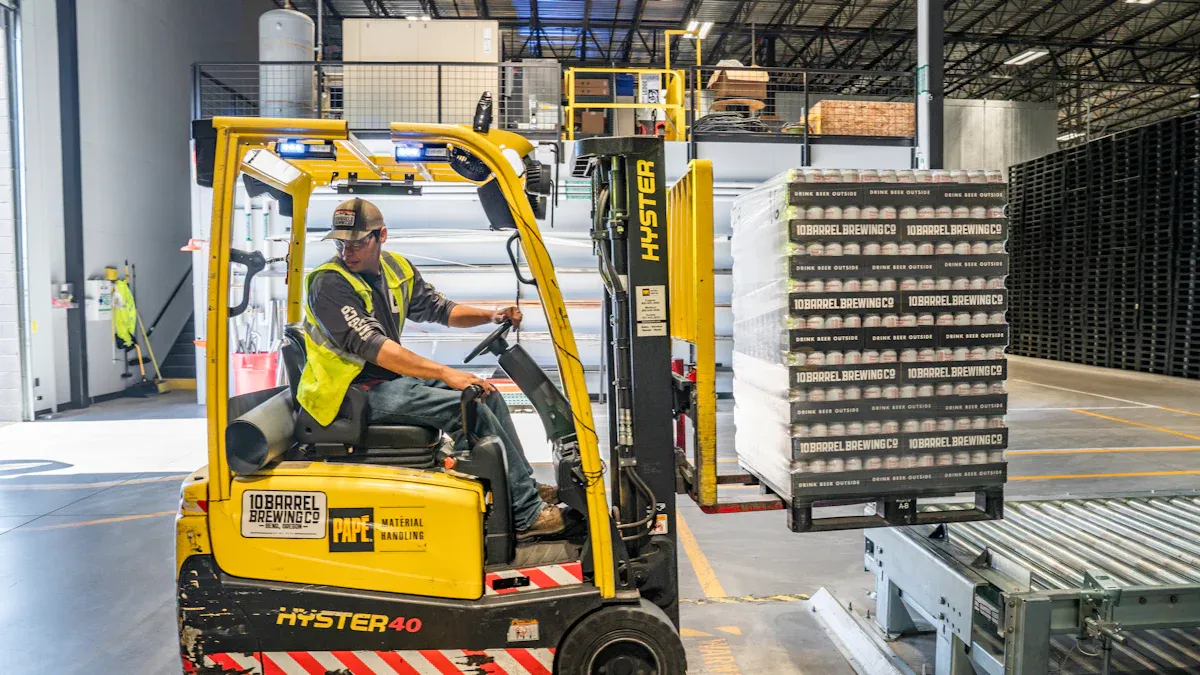
The automatic packing machine price varies significantly based on the technology required for a specific product and package style. Each machine type is engineered for a distinct purpose, from forming bags from a roll of film to filling pre-made pouches. Understanding these categories is the first step toward creating an accurate budget.
Vertical Form Fill Seal (VFFS) Machines
Vertical Form Fill Seal (VFFS) machines are versatile workhorses in the packaging industry. They create bags from a flat roll of film, fill the bags with product from above, and then seal them. This integrated process makes them highly efficient for a wide range of goods. Their applications are extensive across the food, beverage, and produce sectors.
Common uses for VFFS technology include:
·Packaging granular products like grains, snacks, cereals, and coffee.
·Handling frozen foods and fresh produce.
·Bagging powders and bakery items.
·Providing portion control for single-serving products.
These machines ensure product freshness and extend shelf life. Many systems offer hermetic seals for perishable items. Advanced models can also use Modified Atmosphere Packaging (MAP) to preserve the quality of sensitive products like fresh-cut salads, meats, or coffee.
The price of a VFFS system is tied to its speed, size, and features. For 2025, an entry-level VFFS machine, often including a basic multi-head weigher and bagger, is expected to range from $25,000 to $50,000. High-performance or multi-lane VFFS machines command a higher price, typically estimated between $30,000 and $60,000+. Fully customized solutions with advanced robotics, inspection systems, or specialized fillers can easily exceed $100,000.
| VFFS Machine Tier | Typical Speed (BPM) | 2025 Price Range (USD) | Best For |
|---|---|---|---|
| Entry-Level | 20 - 60 | $25,000 - $50,000 | Startups and small-scale operations |
| Mid-Range | 60 - 100 | $50,000 - $120,000 | Growing businesses needing higher output |
| High-Performance | 100 - 200+ | $120,000 - $250,000+ | Large-scale production with high-speed demands |
Horizontal Flow Wrappers (HFFS)
Horizontal Flow Wrappers (HFFS), also known as flow pack machines, are designed for packaging single, solid items. Unlike VFFS machines that use gravity for filling, an HFFS machine moves products horizontally along a conveyor. The machine then wraps them in a continuous tube of film, which is sealed at both ends and cut to create a finished, sealed package.
This method is ideal for products that are uniform in shape and need to be handled individually. Common applications include:
·Confectionery: Candy bars, chocolate bars, and cookies.
·Bakery: Individual pastries, snack cakes, and bread rolls.
·Household Goods: Soap bars, sponges, and hardware kits.
·Medical: Sterile medical devices, bandages, and test kits.
HFFS machine prices depend on the required speed, product handling capabilities, and sealing technology. Entry-level intermittent motion wrappers can start around $30,000. High-speed, continuous-motion systems built for demanding production environments typically range from $70,000 to $150,000 or more. Models designed for sanitary or pharmaceutical applications will be at the higher end of this spectrum.
Key Consideration: The choice between an intermittent and a continuous motion HFFS machine is critical. Intermittent models are more affordable but slower. Continuous motion wrappers offer much higher speeds but come at a premium price. Businesses must balance their current output needs with future growth projections.
Pre-made Pouch Packing Machines
Pre-made pouch packing machines automate the process of filling and sealing pouches that are already manufactured. These machines are perfect for businesses that want to use high-impact packaging like stand-up pouches, zippered bags, or spouted pouches to enhance shelf appeal. The machine grips a pouch from a magazine, opens it, fills it with product, and seals it shut.
These systems are popular for premium products where package quality is paramount. They handle a wide variety of goods, from liquids and sauces to gourmet snacks and pet food. There are two primary types of pre-made pouch machines: inline and rotary.
·Inline Pouch Machines: These systems arrange the packaging stations in a straight line. They are more compact and generally have a lower price point, making them suitable for smaller operations.
·Rotary Pouch Machines: These machines use a circular turret to move pouches through the different stations. They are larger, faster, and more complex, offering higher output for large-scale production.
The price difference between the two configurations is significant.
| Pouch Machine Type | Speed (PPM) | Footprint | 2025 Price Range (USD) |
|---|---|---|---|
| Inline System | 10 - 30 | Smaller | $40,000 - $80,000 |
| Rotary System | 30 - 60+ | Larger | $80,000 - $150,000+ |
Investing in a pre-made pouch machine is often a strategic decision to improve brand perception. The higher cost of the pouches and machinery is justified by the premium look and feel of the final product.
Cartoning Machines
Cartoning machines, or cartoners, perform a crucial secondary packaging function. They take primary packages—such as pouches, bottles, tubes, or flow-wrapped items—and place them into paperboard cartons or boxes. These machines automate the process of erecting a carton blank, inserting the product, and sealing the carton flaps. This protects the product during shipping and creates a retail-ready package.
There are two main categories of cartoning machines, each suited for different product types and production flows:
·Horizontal Cartoners: These machines are ideal for solid, stable products that can be pushed horizontally into a carton. Common applications include blister packs, soap bars, and frozen food trays.
·Vertical Cartoners: These systems are designed for products that are best handled with gravity, such as loose-fill items or bottles. The machine drops the product from above into an open carton.
The price of a cartoning machine is determined by its operational mode—intermittent or continuous motion—and its output speed.
| Cartoner Type | Operational Mode | Speed (Cartons/Min) | 2025 Price Range (USD) |
|---|---|---|---|
| Entry-Level | Intermittent Motion | 20 - 60 | $50,000 - $100,000 |
| High-Speed | Continuous Motion | 60 - 400+ | $120,000 - $350,000+ |
Intermittent motion cartoners are more affordable and suitable for lower-speed lines. Continuous motion systems represent a larger investment but deliver the high throughput required for large-scale manufacturing. Customizations like automatic leaflet inserters, code printers, or specialized product handling systems will further increase the final price.
Case Packers and Sealers
Case packers and sealers represent the final stage of the packaging line, often called "end-of-line" packaging. This equipment automates the process of packing finished products into corrugated shipping cases. The process typically involves a case erector to form the box, a case packer to load it, and a case sealer to close it with tape or glue.
The global market for automatic case erectors was valued at USD 1.2 billion in 2024 and is projected to reach USD 2.5 billion by 2033, reflecting a strong compound annual growth rate (CAGR) of 9.5%. For 2025, automatic case erectors are priced between $18,000 and over $75,000. This price depends on speed, which can range from 10 to 50 boxes per minute, and the level of automation. Simpler case formers may be about 18% less expensive initially but require more manual labor.
Case packers vary widely in technology and price. Traditional drop packers are a cost-effective solution for durable products. However, robotic pick-and-place systems offer superior flexibility and gentle handling for delicate or complex items. While the initial investment is higher, robotic automation delivers significant long-term value.
Robotic End-of-Line Automation CostsA complete robotic solution involves multiple components. A typical investment might include:
·Robotic case packing line: $150,000 to $300,000+
·Robotic palletizing line: $175,000 to $350,000+
·Case erector with manual setup: $35,000 to $65,000+
·Automatic random case erector: $150,000+
Additional costs for conveyors and special manufacturing requirements, such as stainless steel construction for washdown environments, can significantly impact the price. A complete robotic end-of-line automation solution could cost $700,000 or more, depending on the project's specific parameters.
Specialized and Custom Systems
Some industries, like pharmaceuticals, electronics, and medical devices, have unique packaging requirements that standard machines cannot meet. These applications demand specialized and custom-engineered systems designed for precision, sterility, and regulatory compliance. Consequently, the automatic packing machine price for these solutions can be substantially higher.
The pharmaceutical industry, for example, requires machinery that adheres to strict validation protocols and prevents cross-contamination. This drives up engineering and material costs.
Custom systems are not limited to pharmaceuticals. Manufacturers of fragile electronics, uniquely shaped consumer goods, or products requiring complex kitting and assembly often partner with automation experts to develop bespoke robotic machinery. These projects are quoted on a case-by-case basis, with prices reflecting the complexity of the engineering challenge.
The initial automatic packing machine price is an investment in operational efficiency and long-term growth. Key cost drivers include automation level, speed, machine type, and customization. As e-commerce and lean operations drive the market, businesses must look beyond today's needs. To secure the best value, a company should thoroughly assess production goals, calculate long-term ROI, and obtain detailed quotes from reputable suppliers. This strategic approach prepares them for future innovations like IoT and robotics.
FAQ
What is the single biggest factor affecting packing machine price?
The level of automation is the primary cost driver. Fully automatic systems have a higher initial price than semi-automatic models. They do, however, significantly reduce long-term labor costs, which is a crucial consideration for the total investment.
How long does it take to see a return on investment (ROI)?
Many businesses target a two-year ROI for automation projects. This return comes mainly from labor savings. Reduced material waste and increased production speed also contribute to a faster payback period on the initial investment.
Why are some machine types so much more expensive than others?
Each machine type uses different technology for specific products. A VFFS machine forms bags from film, while a pre-made pouch machine handles existing pouches. This engineering specialization for different functions and materials directly impacts the final price.
Are used packing machines a good way to save money?
Used machines offer lower upfront costs but can carry risks. Buyers may face a lack of warranty, unavailable spare parts, and potential for more downtime. A thorough inspection and understanding of the machine's history are essential before purchase.
Post time: Dec-19-2025