
Snack producers rely on a VFFS machine for quick, reliable packaging. They achieve high-speed output, reduce costs, and ensure snack freshness. Most manufacturers choose this method for its flexibility and superior product protection. Today, 78% of snack producers use servo-driven VFFS machines with multihead weighers.
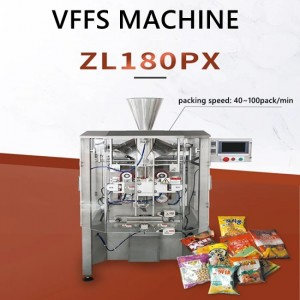
What Is a VFFS Machine?
Main Purpose for Snack Packaging
A VFFS machine, or Vertical Form Fill Seal machine, serves as an automated packaging system widely used in the food industry. This equipment forms a bag from a roll of film, fills it with product, and seals it. Snack producers rely on this technology to streamline their packaging operations. The VFFS machine automates the entire process of bag formation, filling, and sealing. These functions are essential for snack packaging because they ensure efficiency and consistency. Manufacturers use VFFS machines to package a variety of snacks, including potato chips, popcorn, trail mix, nuts, candies, and cookies. The system handles free-flowing, dry, and granular snacks with ease.
Note: The VFFS machine supports a broad range of snack types, making it a versatile solution for producers seeking flexibility in their packaging lines.
How the VFFS Machine Works
The VFFS machine operates through a series of coordinated steps that guarantee reliable packaging. The process begins when flat film wraps around a forming collar to create a tube. The product then dispenses into the tube using an auger, volumetric cup, or multihead weigher. Horizontal jaws seal and cut the bag, while vertical heaters fuse the film edges. The following table outlines the main steps:
| Step | Description |
|---|---|
| Form | Flat film wraps around a forming collar to create a tube |
| Fill | Product dispenses into the tube via auger, volumetric cup, or multihead weigher |
| Seal | Horizontal jaws seal and cut the bag while vertical heaters fuse the film edges |
This automated sequence allows snack producers to achieve high-speed, accurate, and consistent packaging results.
Step-by-Step Snack Packing with a VFFS Machine
Packing snacks with a VFFS machine involves several precise steps. Operators follow a systematic process to ensure each snack bag meets quality standards and maintains product freshness.
Loading the Packaging Film
Operators begin by mounting a large roll of packaging film onto the spindle at the rear of the machine. The film transport system unwinds the film, maintaining precise tension throughout the process. This step is crucial for smooth operation and consistent bag formation. The machine supports a variety of packaging films, including polyethylene, polypropylene, laminated films, and biodegradable options. Each material offers unique benefits, such as moisture protection, clarity, puncture resistance, and environmental sustainability.
Tip: Choose the right film type based on the snack's requirements and desired shelf life.
Operators pull the flat film over a forming tube, shaping it into a vertical tube. The forming tube determines the bag's width, while the machine controls the bag's length. By replacing the forming tube, operators can adjust the bag size for different snack products.
Forming the Snack Bag
The VFFS machine forms the laminate material or flat packaging film into the desired shape. Rollers guide the film to create a tubular configuration, which can be adapted for various pouch types, such as pillow bags, gusseted bags, block bottom bags, or stick packs. The bag formation process relies on the forming tube to shape the film into the correct size. Operators can select lap seals or fin seals, depending on the snack's packaging needs.
| Aspect | Description |
|---|---|
| Bag Formation Process | Bags are formed from a roll of film around a forming tube, shaping the film into the correct size. |
| Sealing Types | Two common seals: lap seal (overlapping edges) and fin seal (inner surfaces sealed together). |
| Speed of Operation | Capable of forming, filling, and sealing at speeds of 100 bags per minute. |
| Additional Features | Can add date/batch codes, tear notches, or hole punches for display purposes. |
Operators can create different pouch styles to suit the snack's presentation and storage requirements.
Sealing the Bottom of the Bag
Once the bag takes shape, the machine seals the bottom to create a secure pouch. The sealing jaws apply heat and pressure to fuse the film edges. Optimal sealing temperatures depend on the lining material and thickness. For OPP films with 80-90 μm thickness, operators set the temperature between 170°C and 180°C. For PE films with 85-100 μm thickness, the ideal range is 180°C to 200°C. Proper sealing ensures the bag remains leak-proof and maintains product integrity.
Note: Operators monitor sealing temperatures and pressure to prevent weak seals and ensure consistent quality.
Filling the Bag with Snacks
After sealing the bottom, the machine fills the bag with snacks. The filling system uses augers, volumetric cups, or multihead weighers to dispense the correct amount of product. The machine's advanced control system guarantees high accuracy and fast operation. Operators can adjust the filling mechanism for different snack types, such as chips, popcorn, nuts, or candies. The filling process maintains speed and precision, supporting production rates of up to 100 bags per minute.
·Multihead weighers provide precise measurement for granular snacks.
·Volume cups suit products with uniform size and shape.
·Auger fillers handle powder or fine snacks.
Operators ensure the filling system matches the snack's characteristics to maintain consistency and minimize waste.
Sealing the Top of the Bag
The final step involves sealing the top of the bag to complete the packaging process. Operators check that the sealing area is clean and free of dust or debris. They adjust sealing pressure if necessary and verify proper film tracking and positioning. If the heating cartridges or temperature probes show defects, operators replace them to maintain optimal performance.
Tip: Clean sealing surfaces and monitor machine settings to achieve strong, reliable seals.
The VFFS machine produces neat, beautiful cuts and maintains constant sealing temperatures. This ensures each snack bag remains securely closed, preserving freshness and preventing contamination.
Tips for Using a VFFS Machine for Snacks
Choosing the Right Film Material
Snack producers must select packaging film carefully to ensure optimal performance and product protection. The following factors influence film selection:
1.Material: Select film based on snack weight and barrier properties.
2.Thickness: Balance durability with sealing requirements.
3.Sealability: Choose films that form strong seals at lower temperatures.
4.Printability: Pick materials that support clear branding and labeling.
5.Coefficient of Friction (COF): Ensure smooth movement through the machine to prevent jams.
6.Fragility: Use films that withstand packaging and transit without damage.
Tip: Operators should test different films to match snack characteristics and production needs.
Keeping Snacks Fresh
Maintaining snack freshness requires strict attention to packaging quality and machine performance. Operators follow best practices such as:
·Monitoring machine performance to detect issues early.
·Using laminated pouches for enhanced durability and freshness.
·Implementing precise dosing and controlled atmosphere packaging.
·Ensuring consistent seals to block air and moisture.
Specialized automation and validated workflows help maintain high quality standards. Operators clean sealing bars and inspect cutting knives regularly to prevent contamination.
Adjusting Settings for Different Snacks
Operators adjust machine settings to accommodate various snack shapes and sizes. The table below highlights key features for efficient changeovers:
| Feature | Description |
|---|---|
| Quick-change tooling | Enables rapid adjustments for different bag types and sizes. |
| Modular forming collar | Allows easy swapping to create multiple bag shapes. |
| Touchscreen HMI | Facilitates quick changes to sealing parameters and bag dimensions. |
| Recipe-based changeovers | Saves settings for different formats, improving efficiency. |
| Precision repeatability | Ensures consistent quality across production runs. |
| Minimal waste | Reduces film scrap during format transitions. |
| Multiple bag styles | Supports pillow, hanging hole, and triangular bags with simple adjustments. |
Operators use the VFFS machine’s advanced controls to optimize packaging for each snack type.
Avoiding Common VFFS Machine Mistakes
Snack producers often encounter operational challenges when using a VFFS machine. Addressing these issues improves packaging quality and reduces downtime.
Preventing Bag Leaks
Bag leaks compromise snack freshness and lead to product waste. Operators prevent leaks by focusing on seal quality and material selection. They choose film materials that match the snack’s requirements and resist punctures. Special jaw designs and squeeze roller technology clean the seal area before sealing, which enhances seal integrity. Operators also monitor the coefficient of friction of the film to ensure proper pouch creation. When the coefficient does not align with machine specifications, inconsistent bag sizes and leaks may occur.
Tip: Operators should regularly inspect the seal area and replace worn components to maintain high seal quality.
Avoiding Overfilling
Overfilling snack bags results in profit loss and product spoilage. Operators calibrate filling systems to dispense accurate product amounts. They monitor filling weights and adjust settings for each snack type. Multihead weighers and volumetric cups help maintain consistency. Operators avoid overfilling by performing routine checks and using recipe-based changeovers.
·Accurate filling preserves product quality.
·Routine calibration prevents excess product in each bag.
Ensuring Proper Seals
Proper seals protect snacks from contamination and extend shelf life. Operators implement quality control measures to verify seal strength and integrity. They conduct seal strength testing, measuring peel and burst strength. Leak testing with vacuum chambers and dye penetration methods detects hidden leaks. Continuous quality checks include monitoring seal temperature, visual inspections, and destructive seal testing.
| Common Mistake | Possible Causes |
|---|---|
| Inconsistent filling | Incorrect communication mode, Incorrect settings, Material flow issues. |
| Bag forming issues | Incorrect film installation, Incorrect back seal, Bag film slipping or jams. |
| Improper sealing | Insufficient heat, Misaligned sealing bar, Contaminated sealing surfaces. |
| Improper bag cutting | Dull or damaged cutting blades, Incorrect cutting settings. |
| Machine jamming | Improper feeding, Improper settings. |
| Error codes | Faulty sensors, Electrical issues, Software issues. |
| Product detection issues | Faulty/misaligned sensors, Incorrect eyemark sensor settings, Product variation. |
| Operator error | Lack of training, Poor documentation, Ineffective communication. |
Operators who follow these practices minimize mistakes and maintain consistent packaging quality with the VFFS machine.
Benefits of Packing Snacks with a VFFS Machine
Speed and Efficiency
Snack manufacturers experience significant gains in speed and efficiency when they use a VFFS machine.
·Production speed can increase by up to 50%, allowing companies to meet higher demand without expanding their workforce.·
·This improvement leads to lower operational costs and higher profits.
·The machine performs bag formation, filling, and sealing in one continuous motion, which reduces manual handling and streamlines the packaging line.
·Production costs can decrease by approximately 20% compared to traditional methods.
·One machine can replace five to ten workers, maximizing output per square foot and reducing labor expenses.
Consistent Quality
A VFFS machine ensures consistent quality in every snack package. The system maintains precise film tension and tracking, which are essential for strong seals. This process prevents common packaging issues such as wrinkles and misalignment. As a result, the packaging maintains its integrity and protects the product inside. The machine also enhances operational efficiency and provides superior product protection, ensuring each bag meets quality standards.
Simple Operation
Operators find the VFFS machine easy to use due to its advanced features. The following table highlights key aspects:
| Feature | Benefit |
|---|---|
| Touchscreen Interface | Provides comprehensive control for quick selection of pouch weight and dimensions. |
| Streamlined Manipulation | Simplifies pouch formation, filling, and sealing, reducing complexity for operators. |
| Bag Size Adaptability | Enables quick changeovers for different products and bag sizes, enhancing efficiency. |
These features allow staff to adapt quickly to new products and maintain smooth production with minimal training.
Packing snacks with a VFFS machine involves these steps:
1.Load roll stock and unwind the film.
2.Form the tube and seal the edges.
3.Seal the bottom.
4.Fill the bag.
5.Seal the top.
This technology offers reliable, precise packaging for many snack types. Manufacturers achieve consistent quality and gentle handling.
FAQ
How often should operators clean the VFFS machine?
Operators should clean the VFFS machine daily. Regular cleaning prevents contamination and ensures consistent packaging quality for every snack batch.
Can the Soontrue VFFS Machine handle different snack sizes?
Yes. The Soontrue VFFS Machine supports quick changeovers for various bag sizes and snack types. Operators can adjust settings using the touchscreen interface.
What film types work best for snack packaging?
Tip: Laminated films and polypropylene films offer strong seals and moisture protection. Operators should select film based on snack type and desired shelf life.
Post time: Feb-27-2026