
Machine Type and Functionality
Different machines perform distinct tasks, which directly influences their price. A simple tabletop sealer serves a basic function and carries a lower cost. In contrast, a Vertical Form Fill Seal (VFFS) machine, which forms bags, fills them, and seals them in one continuous motion, is far more complex. This complexity requires more sophisticated engineering and components. Therefore, the VFFS machine commands a higher price. The specific product—be it powder, liquid, or solid—also dictates the necessary filling technology, further impacting the cost.
Semi-Automatic vs. Fully Automatic
The level of automation is one of the most significant price drivers.
Semi-Automatic Machines: These systems require an operator to handle one or more steps in the packing process, such as placing a pouch or initiating the fill cycle. They offer a lower initial investment, making them suitable for smaller operations or startups.
Fully Automatic Machines: These machines manage the entire packing process without human intervention, from feeding materials to discharging finished packages. The higher upfront cost is justified by increased speed, improved consistency, and reduced labor expenses over time.
Note: A business's production volume is a key indicator for choosing between semi-automatic and fully automatic systems. Low-volume production may not justify the cost of full automation, while high-volume demands often require it for efficiency.
Customization and Add-Ons
Standard, off-the-shelf machines come with a base price, but most businesses require specific modifications to meet their unique needs. These customizations add to the final cost.
| Common Add-On | Function | Impact on Price |
|---|---|---|
| Date Coder | Prints expiration dates or lot codes. | Moderate |
| Gas Flush System | Extends product shelf life with modified atmosphere. | Significant |
| Check Weigher | Ensures each package meets weight requirements. | Significant |
| Metal Detector | Scans for contaminants before sealing. | High |
Each additional feature increases the machine's complexity and, consequently, its price.
Manufacturer Origin and Support
The manufacturer's location and reputation are crucial factors. Machines built in North America or Europe often have a higher price due to higher labor costs and stringent quality standards. However, they typically come with robust, accessible local support for installation, training, and maintenance. Conversely, machines from some Asian markets may offer a lower initial small packing machine price. Businesses should balance this potential saving against potential challenges in communication, service response times, and spare part availability. A reliable support network is essential for minimizing downtime and protecting the investment.
Key Factors That Determine Machine Price
The initial price tag of a small packing machine is just the starting point. Several critical factors combine to determine the final cost. Businesses must evaluate these elements carefully to understand the investment required. A machine's core function, its level of automation, any added customizations, and the manufacturer's background all play significant roles in the final quote. Analyzing these factors helps a company select a machine that fits both its operational needs and its budget.
Machine Type and Functionality
Different machines perform distinct tasks, which directly influences their price. A simple tabletop sealer serves a basic function and carries a lower cost. In contrast, a Vertical Form Fill Seal (VFFS) machine, which forms bags, fills them, and seals them in one continuous motion, is far more complex. This complexity requires more sophisticated engineering and components. Therefore, the VFFS machine commands a higher price. The specific product—be it powder, liquid, or solid—also dictates the necessary filling technology, further impacting the cost.
Semi-Automatic vs. Fully Automatic
The level of automation is one of the most significant price drivers.
Semi-Automatic Machines: These systems require an operator to handle one or more steps in the packing process, such as placing a pouch or initiating the fill cycle. They offer a lower initial investment, making them suitable for smaller operations or startups.
Fully Automatic Machines: These machines manage the entire packing process without human intervention, from feeding materials to discharging finished packages. The higher upfront cost is justified by increased speed, improved consistency, and reduced labor expenses over time.
Note: A business's production volume is a key indicator for choosing between semi-automatic and fully automatic systems. Low-volume production may not justify the cost of full automation, while high-volume demands often require it for efficiency.
Customization and Add-Ons
Standard, off-the-shelf machines come with a base price, but most businesses require specific modifications to meet their unique needs. These customizations add to the final cost.
| Common Add-On | Function | Impact on Price |
|---|---|---|
| Date Coder | Prints expiration dates or lot codes. | Moderate |
| Gas Flush System | Extends product shelf life with modified atmosphere. | Significant |
| Check Weigher | Ensures each package meets weight requirements. | Significant |
| Metal Detector | Scans for contaminants before sealing. | High |
Each additional feature increases the machine's complexity and, consequently, its price.
Manufacturer Origin and Support
The manufacturer's location and reputation are crucial factors. Machines built in North America or Europe often have a higher price due to higher labor costs and stringent quality standards. However, they typically come with robust, accessible local support for installation, training, and maintenance. Conversely, machines from some Asian markets may offer a lower initial small packing machine price. Businesses should balance this potential saving against potential challenges in communication, service response times, and spare part availability. A reliable support network is essential for minimizing downtime and protecting the investment.
Manufacturer Origin and Support
The manufacturer's location and reputation are crucial factors. Machines built in North America or Europe often have a higher price. This is due to higher labor costs and stringent quality standards. However, they typically come with robust, accessible local support for installation, training, and maintenance. Conversely, machines from some Asian markets may offer a lower initial small packing machine price. Businesses should balance this potential saving against potential challenges. These can include issues in communication, service response times, and spare part availability. A reliable support network is essential for minimizing downtime and protecting the investment.
The quality of post-sale support directly impacts a machine's long-term value. A low-cost machine with poor support can become a significant liability. Businesses should evaluate a manufacturer's service offerings as part of their purchasing decision.
| Support Aspect | What to Look For | Impact on Operations |
|---|---|---|
| Installation & Training | On-site setup and comprehensive operator training. | Ensures correct machine operation from day one and reduces user error. |
| Technical Support | 24/7 or same-time-zone phone, video, and email support. | Provides immediate troubleshooting to resolve issues quickly and minimize downtime. |
| Spare Parts | A well-stocked inventory of parts with fast shipping options. | Guarantees that replacement parts are available when needed, preventing long shutdowns. |
| Warranty | A clear and comprehensive warranty covering key components. | Protects the business from unexpected repair costs for a specified period. |
Key Takeaway: A manufacturer should be seen as a long-term partner. A higher upfront investment in a machine from a reputable manufacturer with strong local support often results in a lower Total Cost of Ownership (TCO). This is because it minimizes costly production interruptions.
Ultimately, a business must assess its own tolerance for risk. A company running a 24/7 operation cannot afford extended downtime waiting for a part from overseas. A smaller startup, however, might accept that risk in exchange for a lower entry cost. Evaluating the manufacturer's support infrastructure is just as important as evaluating the machine itself.
Breaking Down the Small Packing Machine Price by Type
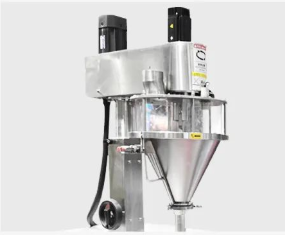
The type of machine a business chooses is the most significant factor in its final cost. Each machine is engineered for a specific packaging style and production need. Understanding the differences between these core types helps clarify their price points. This section explores the common price ranges for VFFS machines, sachet machines, and pre-made pouch fillers.
Vertical Form Fill Seal (VFFS) Machines
Vertical Form Fill Seal (VFFS) machines offer a complete packaging solution in a single unit. The machine forms a bag from a flat roll of film, fills it with product from above, and then seals it. This integrated process makes VFFS systems highly efficient for packaging a wide range of products, including snacks, coffee, powders, and grains.
The price of a VFFS machine depends heavily on its speed, the type of filler required (e.g., auger for powders, multi-head weigher for solids), and the complexity of the bag styles it can produce.
| Machine Complexity | Typical Price Range | Best For |
|---|---|---|
| Entry-Level VFFS | $15,000 - $25,000 | Startups and small businesses with moderate production needs. |
| Mid-Range VFFS | $25,000 - $40,000 | Growing businesses requiring higher speeds and more automation. |
| High-Speed/Advanced VFFS | $40,000+ | Large-scale operations needing maximum output and special features. |
Pro Tip: The filling system is a major cost driver for VFFS machines. A simple volumetric filler is less expensive than a highly accurate multi-head weigher. Businesses should match the filler to their product's value and required fill accuracy.
Sachet and Stick Pack Machines
Sachet and stick pack machines are specialized VFFS systems designed for small, single-serving packages. They are ideal for products like sugar, instant coffee, condiments, and pharmaceutical powders. These machines often feature multiple lanes to increase production output, forming, filling, and sealing several packs simultaneously.
The primary price factors are the number of lanes and the machine's operating speed. A single-lane machine offers a lower entry point, while multi-lane systems provide greater throughput at a higher initial investment. The overall small packing machine price for these systems reflects their specialized, high-speed capabilities.
- Single-Lane Machines: Typically range from $12,000 to $22,000. They are suited for businesses launching a new single-serve product.
- Multi-Lane Machines (3-12 lanes): Can range from $25,000 to over $60,000. These are built for high-volume producers supplying retail or food service industries.
Pre-made Pouch Filling Machines
Unlike VFFS machines that create bags from rollstock, these systems work with pouches that are already formed. An operator or an automated system places a pre-made pouch into the machine, which then fills and seals it. This machine type is perfect for businesses that want to use high-quality stand-up pouches, zippered bags, or spouted pouches to enhance shelf appeal.
The price is determined by the level of automation. Semi-automatic models require an operator to place each bag, while fully automatic rotary machines can handle the entire process at high speeds.
- Tabletop/Semi-Automatic Pouch Sealers: These systems cost between $5,000 and $15,000. They are an excellent starting point for small businesses and boutique brands.
- Fully Automatic Rotary Pouch Machines: These advanced systems start around $30,000 and can exceed $70,000, depending on speed, number of stations, and added features like zipper opening or gas flushing.
Beyond the Sticker Price: Calculating Total Cost of Ownership
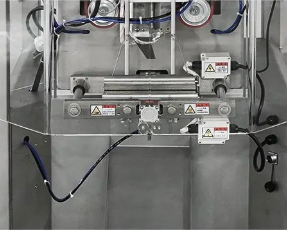
A smart investment goes beyond the initial purchase. Businesses must calculate the Total Cost of Ownership (TCO) to understand the machine's true financial impact over its lifespan. This calculation includes setup, operational expenses, and material costs.
Installation and Training Costs
Proper setup is critical for a machine's performance. Many manufacturers offer professional installation and commissioning services. These services ensure the equipment runs correctly from the start. Sometimes this cost is included in the purchase price, but often it is a separate line item. Operator training is equally important.
Effective training empowers staff to operate the machine efficiently, perform basic maintenance, and troubleshoot minor issues. This knowledge reduces costly downtime and prevents user-related damage.
Ongoing Maintenance and Parts
Every packing machine requires regular maintenance to function reliably. These ongoing costs are a key part of TCO. Businesses should budget for two main types of expenses:
- Preventive Maintenance: This includes scheduled service, lubrication, and cleaning.
- Wear Parts: Components like blades, belts, and heating elements wear out over time and need replacement.
A manufacturer with readily available spare parts and strong technical support helps minimize production interruptions. Delays in sourcing a critical part can cost far more than the part itself.
Material Costs: Rollstock vs. Pre-made Pouches
The packaging material, or consumable, is a significant recurring expense. The choice between rollstock film and pre-made pouches directly affects both operational costs and the type of machine needed. Each option presents a different financial trade-off.
| Aspect | Rollstock Film | Pre-made Pouches |
|---|---|---|
| Machine Type | VFFS or Sachet Machine | Pouch Filling Machine |
| Cost Per Unit | Lower | Higher |
| Best For | High-volume, cost-focused production | Premium branding, lower volumes |
Businesses must analyze their production volume and branding goals. This analysis helps them choose the most cost-effective material and machine combination for their specific needs.
How to Calculate Your Return on Investment (ROI)
An investment in a packing machine should generate a positive return. Calculating the Return on Investment (ROI) helps a business justify the purchase. ROI measures the profitability of the investment relative to its cost. A strong ROI shows that the machine will pay for itself and contribute to the company's bottom line. Key areas for calculating this return include labor savings, production gains, and waste reduction.
Reduced Labor Costs
Automating the packing process directly reduces the need for manual labor. A machine can perform repetitive tasks faster and more consistently than a person. This frees up employees for higher-value activities. Businesses can quantify this saving by calculating the total cost of the labor being replaced.
Simple ROI Calculation: To find your annual labor savings, multiply an employee's hourly wage (including benefits) by the number of hours the machine will save each day. Then, multiply that daily saving by the number of production days in a year. This figure is a core component of your ROI.
Increased Production Output
A small packing machine significantly boosts production capacity. Manual packing might produce a few packages per minute. An automated machine can produce 20, 40, or even 60+ packages per minute. This increase in output allows a business to meet higher demand and grow its revenue.
- Faster Speed: Machines operate at a consistent, high speed without breaks.
- Greater Volume: Increased speed leads directly to more finished products per shift.
- Scalability: The business can take on larger orders without hiring more staff.
This enhanced throughput accelerates the time it takes for the machine to pay for itself.
Minimized Product Waste
Inaccurate filling and poor seals lead to product giveaway and wasted materials. Automated systems offer precision and consistency that manual processes cannot match. An auger filler dispenses the exact amount of powder. A VFFS machine creates strong, uniform seals every time. This accuracy reduces costs and improves product quality.
| Metric | Manual Packing | Automated Packing |
|---|---|---|
| Fill Accuracy | +/- 5-10% variation | +/- 1-2% variation |
| Product Giveaway | High | Minimal |
| Rejected Packages | Higher rate | Lower rate |
Reducing waste by even a few percentage points can result in substantial savings over a year, especially for high-value products.
The small packing machine price directly reflects its capabilities. Factors like machine type, automation level, and custom features determine the final cost. A business makes a financially sound decision by looking beyond the initial purchase. It must calculate the Total Cost of Ownership (TCO) and potential Return on Investment (ROI). The right investment aligns the machine's features with specific production goals and budget. Contact our team today for a custom quote tailored to your unique business needs.
FAQ
What is a realistic budget for a startup?
A startup can acquire a quality semi-automatic machine for $5,000 to $15,000. This price point provides an excellent entry into automated packaging. It allows businesses to increase output without the major investment required for a fully automatic system. This budget typically covers tabletop pouch fillers or basic VFFS models.
How long does a small packing machine last?
A well-maintained small packing machine typically lasts 10 to 15 years. Its lifespan depends on the build quality, operating environment, and adherence to a preventive maintenance schedule. Regular service and timely replacement of wear parts are essential for maximizing the machine's longevity and performance.
Can one machine package different products or bag sizes?
Yes, many machines can handle multiple products or bag sizes. However, this versatility often requires changeover parts, such as different forming tubes or filler nozzles. Businesses should discuss all current and future needs with the manufacturer to ensure the machine is configured for efficient changeovers.
What is the typical lead time for a new machine?
Lead times vary based on machine complexity and manufacturer backlog.
A standard, in-stock machine may ship in 2-4 weeks. A customized or built-to-order system can take 8-16 weeks or longer. Businesses should factor this timeline into their production planning to avoid delays.
Post time: Oct-17-2025