
Cutting-Edge Technologies in Siomai Wrapper Machine
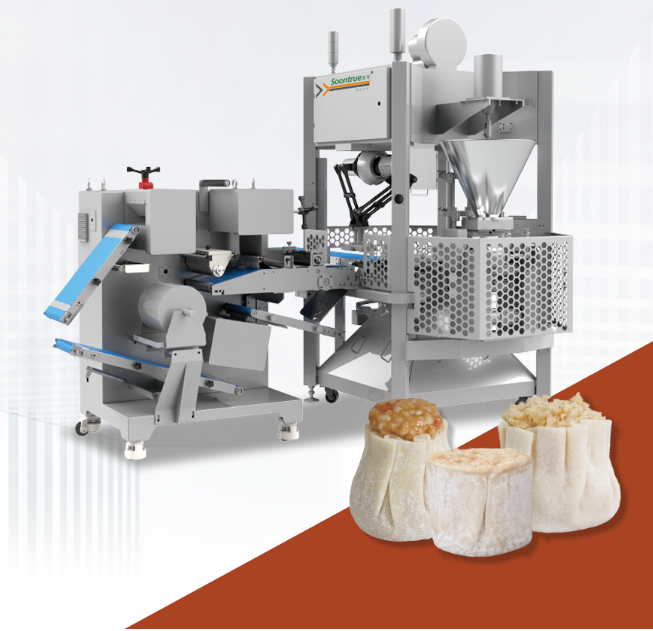
Automation and AI Integration
Manufacturers now rely on automation to increase output and reduce manual labor. The latest siomai wrapper machine models feature robotic arms and conveyor systems that handle dough sheets with precision. AI algorithms analyze wrapper thickness and shape in real time. These systems adjust machine settings automatically, which helps maintain consistent quality. Operators see fewer errors and less waste.
Tip: Companies that invest in AI-driven machines often report higher productivity and lower training costs for new staff.
Smart Sensors and Quality Control
Smart sensors play a vital role in modern siomai wrapper machine technology. These sensors monitor temperature, humidity, and dough consistency during production. If the sensors detect a problem, the machine alerts the operator or stops the process to prevent defects. Quality control software tracks each batch and provides detailed reports.
| Sensor Type | Function | Benefit |
|---|---|---|
| Optical Sensors | Detect wrapper shape | Reduce rejects |
| Pressure Sensors | Monitor dough thickness | Ensure uniformity |
| Temperature Probes | Control heating | Prevent overcooking |
Manufacturers use these tools to guarantee every wrapper meets strict standards.
Energy Efficiency Improvements
Energy efficiency has become a top priority for siomai wrapper machine designers. New models use insulated heating elements and low-power motors. These features help reduce electricity consumption. Some machines recover heat from the cooking process and reuse it, which lowers utility bills.
Key energy-saving features include:
·Automatic power-off when idle
·LED lighting for inspection areas
·Variable speed drives for motors
Operators benefit from lower operating costs and a smaller environmental footprint. Energy-efficient machines also support sustainability goals for food production companies.
Enhanced Design and Materials for Siomai Wrapper Machine
New Wrapper Materials Compatibility
Manufacturers now demand machines that work with a wide range of wrapper materials. The latest siomai wrapper machine models support rice flour, wheat flour, and even gluten-free blends. Operators can switch between materials without lengthy adjustments. This flexibility allows food producers to meet changing consumer preferences and dietary needs.
Many machines feature adjustable rollers and temperature controls. These components help maintain the right texture for each type of wrapper. Some models include preset programs for popular materials. Operators select the desired setting, and the machine automatically adjusts pressure and speed.
Note: Compatibility with new materials increases product variety and helps businesses reach more customers.
| Wrapper Material | Machine Feature | Benefit |
|---|---|---|
| Rice Flour | Adjustable rollers | Prevents tearing |
| Wheat Flour | Temperature controls | Ensures elasticity |
| Gluten-Free Blend | Preset programs | Consistent results |
Hygienic and Easy-to-Clean Designs
Food safety remains a top priority for manufacturers. Designers now use stainless steel and food-grade plastics in siomai wrapper machine construction. These materials resist corrosion and prevent contamination. Smooth surfaces and rounded edges reduce places where dough or debris can accumulate.
Quick-release parts and tool-free access simplify cleaning. Operators remove trays and rollers in seconds. Many machines feature self-cleaning cycles that flush out residue after each batch. This design reduces downtime and supports strict hygiene standards.
Key hygienic features:
·Removable trays and rollers
·Self-cleaning cycles
·Nonporous surfaces
Operators spend less time on maintenance and more time on production. Clean machines help ensure safe, high-quality siomai wrappers for consumers.
User Experience Upgrades in Siomai Wrapper Machine
Intuitive Interfaces and Controls
Modern siomai wrapper machines now feature user-friendly interfaces that simplify operation for both new and experienced staff. Touchscreen panels display clear icons and step-by-step instructions. Operators can select production modes, adjust wrapper thickness, and monitor machine status with just a few taps. Many manufacturers include multi-language support, which helps teams in diverse regions work efficiently.
Quick-access buttons allow operators to pause, resume, or stop production instantly. Visual indicators, such as LED lights, alert users to errors or maintenance needs. These features reduce training time and minimize mistakes during operation.
Tip: Teams that use machines with intuitive controls often report fewer production delays and higher output consistency.
Customization and Flexibility Features
Manufacturers recognize the need for flexibility in food production. The latest siomai wrapper machine models offer a range of customization options. Operators can program different wrapper sizes, shapes, and thicknesses to match specific recipes or customer requests. Some machines store multiple presets, making it easy to switch between products without lengthy setup.
A table below highlights key customization features:
| Feature | Benefit |
|---|---|
| Adjustable thickness | Matches various recipes |
| Shape selection | Supports creative presentation |
| Preset storage | Fast product changeover |
These upgrades help businesses respond quickly to market trends. Operators can test new products or adapt to seasonal demands with minimal downtime. Flexible machines also support small-batch production, which is ideal for specialty or limited-edition siomai.
Note: Customization features not only improve efficiency but also expand product offerings for food manufacturers.
Market Trends and Future Outlook for Siomai Wrapper Machine
Adoption Rates and Industry Feedback
Food manufacturers have shown strong interest in the latest siomai wrapper machine models. Many companies have upgraded their production lines to include automated and AI-powered machines. Industry reports indicate that small and medium-sized businesses now adopt these machines at a faster rate than in previous years. Operators appreciate the improved speed and consistency. They also value the reduced need for manual labor.
Feedback from industry leaders highlights several benefits:
·Increased production capacity
·Lower operational costs
·Enhanced product quality
A recent survey found that over 70% of manufacturers plan to invest in new machines within the next two years. Many cite the flexibility to handle different wrapper materials as a key reason for their decision. Operators also mention that intuitive controls and easy maintenance make daily tasks simpler.
"The new machines have transformed our workflow. We can now produce more siomai with fewer errors," shared one production manager.
Predicted Developments Beyond 2025
Experts predict that the siomai wrapper machine market will continue to evolve rapidly. Manufacturers expect to see even smarter machines with advanced AI features. Future models may include self-learning systems that optimize settings based on production data. Some companies are developing machines that connect to cloud platforms for remote monitoring and diagnostics.
Possible trends for the coming years:
·Greater integration with smart factory systems
·Expanded use of eco-friendly materials
·Enhanced customization for specialty products
Analysts believe that sustainability will drive many innovations. Machines may use less energy and support recyclable or biodegradable wrappers. The industry will likely see more collaboration between machine makers and food producers to create tailored solutions.
Manufacturers see major advantages from the latest siomai wrapper machine innovations.
·Production lines run faster and deliver consistent results.
·Operators enjoy easier controls and more options for customization.
·Businesses stay competitive by adopting new technology and following industry trends.
Staying updated with these advancements helps companies prepare for future changes in food production.
FAQ
What types of wrapper materials do modern siomai wrapper machines support?
Manufacturers design machines to handle rice flour, wheat flour, and gluten-free blends. Operators can switch materials quickly. Machines often include adjustable rollers and preset programs for different wrapper types.
How often should operators clean siomai wrapper machines?
Operators should clean machines after each production batch. Many models feature quick-release parts and self-cleaning cycles. Regular cleaning helps maintain hygiene and prevents contamination.
Tip: Daily cleaning extends machine lifespan and ensures food safety.
Can operators customize wrapper size and thickness?
Most new machines allow operators to adjust wrapper size and thickness. Touchscreen interfaces and preset storage make customization easy. Businesses can produce specialty siomai or adapt to customer requests.
What energy-saving features do these machines offer?
Manufacturers equip machines with insulated heating elements, low-power motors, and automatic power-off functions. Some models recover heat for reuse. These features help reduce electricity costs and support sustainability goals.
| Feature | Benefit |
|---|---|
| Insulated heating | Lower energy use |
| Automatic power-off | Saves electricity |
| Heat recovery | Reduces utility bills |
Are siomai wrapper machines easy to operate for new staff?
Manufacturers design machines with intuitive controls and multi-language support. Touchscreen panels display clear instructions. Operators learn quickly, which reduces training time and minimizes errors.
New staff can operate machines confidently after brief training sessions.
Post time: Sep-24-2025