
Food packing machines increase product quality by reducing contamination. They create airtight seals that preserve freshness and protect food from moisture and air. Recent studies show that these machines help food retain flavor and nutritional value. Businesses rely on the right food packing machine to ensure safety and efficiency.
Essential Types of Food Packing Machines
Vacuum Packing Machines
Vacuum packing machines remove air from packaging to create a low-oxygen environment. This process inhibits spoilage and microbial growth, which helps extend the shelf life of perishable foods. By reducing oxidation, these machines maintain the natural taste, texture, and color of food. They also slow down enzymatic activities that cause food to deteriorate. Many food businesses use vacuum packing machines to preserve freshness and reduce waste.
Tip: Vacuum packaging works especially well for meats, cheeses, and other products that benefit from extended storage.
Automatic Sealing Machines
Automatic sealing machines play a crucial role in ensuring food safety and product integrity. These machines create airtight seals that protect food from moisture, air, and contaminants. They operate at speeds ranging from 10–15 bags per minute for entry-level models to over 30 bags per minute for industrial machines. Automatic sealing machines handle a wide variety of packaging types, including snack foods, powders, liquids, and ready-to-eat meals.
| Packaging Machine | Applications |
|---|---|
| VFFS (Vertical Form Fill Seal) | Snack foods, coffee, spices, powders |
| Tray Sealing Machine | Ready-to-eat meals, salads, fresh meat |
| Induction Sealing Machine | Tamper-evident seals for bottles and cans |
| Cup Sealing Machine | Single-serve dairy, drinks, snacks |
Filling Machines
Filling machines ensure precise and consistent product filling, which reduces waste and improves efficiency. A leading beverage company reported a 30% increase in throughput after implementing automated filling machines. These machines also lower labor costs and minimize spillage. Filling machines can handle various viscosity levels, from thin liquids to thick sauces and powders.
| Type of Filling Machine | Application |
|---|---|
| Gravity Fillers | Thin and free-flowing liquids |
| Piston Fillers | Viscous products (sauces, creams) |
| Auger Fillers | Powders and granules |
Using roll stock film instead of pre-made pouches can reduce packaging material costs by up to 30%, supporting sustainability goals.
Wrapping Machines
Wrapping machines package products quickly and uniformly, which increases productivity and operational efficiency. Automatic wrapping machines can handle hundreds of bakery items per minute, far surpassing manual methods. They provide airtight seals that protect food from moisture and contaminants, extending shelf life and enhancing food safety. These machines also improve branding by delivering consistent, attractive packaging.
- Increased productivity and efficiency
- Uniform, high-quality packaging
- Enhanced hygiene and reduced contamination risk
Modified Atmosphere Packaging Machines
Modified atmosphere packaging (MAP) machines replace oxygen in packaging with a controlled gas mixture. This process inhibits the growth of aerobic bacteria and slows oxidation, which extends the freshness of products by up to 500%. MAP reduces food waste, lowers storage costs, and preserves the original flavor of fresh produce.
| Benefit | Description |
|---|---|
| Less food waste | Reduces spoilage before consumption |
| Increased shelf life | Extends freshness by 50-500% |
| No chemical preservatives | Maintains product integrity without additives |
| Improved presentation | Enhances visual appeal |
Tray Sealing Machines
Tray sealing machines package products such as meat, seafood, ready meals, salads, and dairy. These machines use vacuum or MAP technology to maintain freshness and extend shelf life. Tray sealing also improves the visual appeal of ready meals, making them more attractive to consumers.
| Food Product Type | Application |
|---|---|
| Ready-to-eat Foods | Packaging |
| Fresh Meat | Packaging |
| Salads | Packaging |
| Dairy Products | Packaging |
Tray sealing machines are essential for businesses that prioritize both food safety and product presentation.
Pouch Packing Machines
Pouch packing machines offer versatility for a wide range of products, including snacks, powders, liquids, and granules. These machines provide excellent barrier properties, preserving freshness by protecting food from moisture and contaminants. Pouches are lightweight, cost-effective, and often feature resealable zippers for consumer convenience.
| Feature | Description |
|---|---|
| Freshness Preservation | Excellent barrier properties keep food fresh |
| Versatility | Suitable for liquids, powders, granules, and solids |
| Consumer Appeal | Resealable and easy-tear features enhance user experience |
| Cost-Effectiveness | Uses less material, reducing shipping and storage expenses |
- Automated pouch packing increases efficiency and consistency, making it ideal for small and medium enterprises.
Cartoning Machines
Cartoning machines automate the process of forming and sealing cartons for secondary packaging. These machines can produce 50 to 150 cartons per minute, making them suitable for high-volume operations. Automation reduces labor costs and increases packaging consistency, which is essential for retail and distribution.
Cartoning machines streamline secondary packaging, allowing businesses to scale up production efficiently.
Bagging Machines
Bagging machines package food in pre-made bags or create bags from roll stock using form, fill, and seal technology. These machines are common in the food industry for products like grains, snacks, and produce. Bagging machines ensure secure storage and presentable packaging, which helps maintain product quality during distribution.
| Type of Machine | Description |
|---|---|
| Bagging Machines | Used for packing food in pre-made bags, often utilizing form, fill, and seal technology. |
Capping Machines
Capping machines secure caps on bottles and jars, ensuring airtight seals that maintain product freshness and prevent contamination. These machines work quickly and consistently, increasing production output and reducing labor costs. Capping machines also improve hygiene by minimizing manual handling.
·Speed and efficiency boost production
·Consistent sealing maintains high product quality
·Versatility accommodates different cap sizes and bottle shapes
Lidding Machines
Lidding machines create and apply lids to containers, often using cardboard. They are essential in industries such as canned food, where maintaining food safety and quality is critical. Lidding machines differ from capping machines, as they focus on applying flat lids rather than screw-on or snap-on caps.
| Feature | Lidding Machines | Capping Machines |
|---|---|---|
| Primary Function | Create and apply lids to containers | Secure caps on bottles and jars |
| Types of Closures | Cardboard lids | Screw-on, crimped-on, and snap-on caps |
| Applications | Food and beverage containers | Drinks and liquid processing facilities |
| Industry | Usage of Lidding Machines |
|---|---|
| Canned Food | Essential for sealing to maintain food safety and quality |
Vertical Form Fill Seal Machines
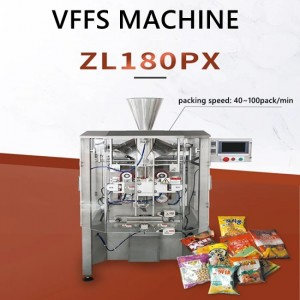
Vertical form fill seal (VFFS) machines streamline the packaging process for granular foods and other products. These machines form bags from roll stock, fill them with product, and seal them—all in one continuous operation. VFFS machines can package up to 150 bags per minute for standard models and up to 300 bags per minute for high-end models.
| Benefit | Description |
|---|---|
| Speed | Packages products quickly, increasing throughput |
| Versatility | Handles various product types, including granular foods |
| Efficiency | Reduces waste and labor costs |
| Customization | Allows for different package sizes and styles |
| Hygiene | Designed for food safety |
| Reduced Labor Costs | Minimizes manual labor, streamlining operations |
Many food manufacturers rely on VFFS machines as a core food packing machine for high-speed, high-volume production.
Choosing the Right Food Packing Machine
Factors to Consider
Selecting the ideal food packing machine requires careful evaluation of several factors. Production volume determines the scale of equipment needed. Product type influences the choice, as liquids, powders, and solids demand different packing technologies. Facility layout and available space affect installation and workflow. Energy compatibility ensures seamless integration with existing infrastructure. Maintenance and cleaning requirements impact operational efficiency and machine longevity. Involving production and technical teams helps align equipment with daily operations.
Companies benefit from defining production requirements before purchasing. This step prevents costly mistakes and ensures the machine fits both current and future needs.
Benefits of Investing in the Right Equipment
Investing in the right food packing machine delivers long-term advantages. Automation reduces labor costs and improves resource management. Efficient machines minimize waste and optimize throughput. Scalable equipment supports business growth without significant additional expenses. Compliance with industry standards avoids fines and hidden costs. Newer models consume less energy, lowering operational expenses. High-quality materials reduce maintenance needs and extend machine lifespan.
| Cost Type | Description |
|---|---|
| Energy Consumption | New machines optimize efficiency, reducing energy costs. |
| Compliance Costs | Compliant machinery prevents fines and regulatory issues. |
| Maintenance Costs | Durable materials decrease maintenance frequency and costs. |
Common Mistakes to Avoid
Businesses often make errors when choosing packing equipment. Inadequate research leads to regret and inefficiency. Focusing only on price ignores long-term operational costs. Failure to define production goals results in mismatched machines. Ignoring space and layout causes workflow disruptions. Overlooking energy requirements creates safety risks and delays. Not involving technical teams can result in poor decisions. Neglecting maintenance and after-sales support increases downtime. Treating the machine as a standalone unit disrupts the production line. Not planning for future expansion forces unnecessary upgrades.
| Mistake | Description |
|---|---|
| Inadequate Research | Rushed decisions lead to poor equipment choices. |
| Focusing Solely on Price | Upfront savings may result in higher long-term costs. |
| Ignoring Maintenance and Cleaning | Overlooking these needs increases downtime and expenses. |
| Not Considering Future Expansion | Equipment that cannot scale limits business growth. |
- Vacuum, sealing, filling, and wrapping machines each serve unique roles in food safety and efficiency.
- Understanding machine types helps businesses and consumers make informed choices.
Assessing production needs ensures the best food packing machine supports quality and growth.
FAQ
What is the main benefit of using food packing machines?
Food packing machines increase food safety and extend shelf life. They also improve efficiency and reduce labor costs for businesses.
How often should a business maintain its food packing machine?
Regular maintenance ensures optimal performance. Most manufacturers recommend scheduled checks every three to six months.
Can one machine handle multiple types of food products?
Some machines offer versatility. For example, vertical form fill seal machines can package snacks, powders, and granules with simple adjustments.
Post time: May-09-2026