
Implement a Structured Cleaning and Sanitization Schedule
Daily Cleaning of Product Contact Parts
At the end of each production shift, operators should perform daily cleaning of all product contact parts. This involves removing any residual milk powder from surfaces like hoppers, funnels, and filling nozzles. A best practice involves cleaning sequentially from the discharge port toward the feeding direction to prevent re-contamination of cleaned areas. Wiping down these components with a clean, damp, non-drip rag removes buildup and prepares the machine for the next run.
Weekly Deep Cleaning Procedures
A weekly deep clean requires partial disassembly for more thorough maintenance. This process ensures that hard-to-reach areas are free of powder accumulation.
1.Preparation: First, operators must shut down the machine, disconnect the power, and wait for it to cool completely. They should empty all powder reservoirs.
2.Disassembly: Next, they carefully remove components like the hopper, auger screw, and filling nozzles, following the manufacturer's manual.
3.Cleaning: Technicians use specialized tools like industrial vacuums for components like the screw meter to manage fine powder. They then wipe parts such as the silo and shaft with a clean, damp cloth until all residue is gone.
4.Rinsing and Drying: All disassembled parts are rinsed with clean water and allowed to air dry completely to prevent moisture-related issues.
Note: Never use corrosive cleaning agents or tools cleaned with harsh detergents on the machine's components. These can damage stainless steel surfaces and compromise food safety.
Monthly Sanitization for Food Safety
Monthly sanitization is the final step in a comprehensive hygiene plan. After performing the weekly deep cleaning procedure, technicians apply an approved food-grade sanitizing agent to all product contact surfaces. This step eliminates potential microbial growth. Following the sanitizer's required contact time, a final inspection confirms all parts are clean, dry, and free from damage before reassembly. This meticulous process guarantees the highest level of hygiene and operational readiness.
Conduct Routine Inspections and Calibrations
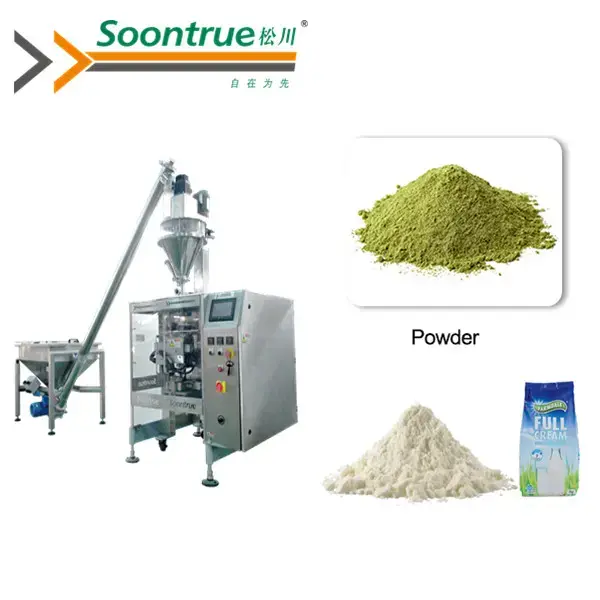
Regular inspections are a cornerstone of preventative maintenance. They allow technicians to identify and address minor issues before they escalate into major failures. A systematic inspection process ensures every critical part of the milk powder packing machine receives attention, safeguarding its operational integrity.
Key Components to Inspect Regularly
Operators and maintenance staff should create a daily or weekly checklist for key components. This proactive monitoring helps maintain peak performance and extends the machine's lifespan. Key areas for inspection include:
·Sealing Jaws and Heating Elements: Check for residue buildup, wear, or damage that could affect seal quality.
·Belts and Chains: Look for signs of fraying, cracking, or improper tension.
·Sensors and Photo-Eyes: Ensure they are clean and correctly aligned for accurate bag registration and filling.
·Motors and Bearings: Listen for unusual noises and check for excessive heat or vibration.
·Pneumatic Systems: Inspect hoses and fittings for leaks that could reduce operational efficiency.
Identifying Signs of Wear and Tear
Early detection of wear is crucial for preventing unexpected downtime. Technicians should be trained to recognize both visual and auditory warning signs. Paying close attention during operation can reveal underlying problems.
Pro Tip: Keep a maintenance log to track observations. This helps identify recurring issues and patterns of wear over time.
Common indicators of mechanical wear include:
·Unusual Noises: Grinding, squealing, or clicking sounds often signal worn-out bearings or loose components. A rattling guard, for example, indicates a compromised mounting.
·Increased Vibration: Excessive vibration can point to unbalanced components, worn bearings, or issues with the motor. A vibrating conveyor belt can cause uneven wear.
·Visible Damage: Obvious signs like cracks on belts, breaks in mechanical parts, or excessive surface wear should be addressed immediately.
Sourcing Quality OEM Spare Parts
Using genuine Original Equipment Manufacturer (OEM) parts is essential for maintaining machine reliability and safety. Counterfeit parts can cause mechanical failures, lead to more frequent downtime, and void warranties. To ensure authenticity, procurement teams should follow strict verification practices.
Always purchase parts from authorized dealers or directly from the manufacturer. Technicians should inspect packaging upon arrival, looking for high-quality branding, consistent logos, and security labels. Many genuine parts now include QR codes or holograms that can be scanned for digital verification. Finally, be cautious of prices that seem too good to be true, as this is often a red flag for counterfeit products.
Calibrating Weighing and Sealing Systems
Accurate calibration of weighing and sealing systems is critical for product consistency and package integrity. Technicians must perform these adjustments regularly to guarantee every package meets quality standards. This process prevents product giveaway, ensures compliance with weight regulations, and produces secure, reliable seals.
Calibrating the weighing system ensures each package contains the correct amount of milk powder. Operators begin by presetting parameters like filling volume and auger speed in the control system. The machine then uses one of two methods for metering:
·Volumetric Metering: The machine dispenses product based on the auger's number of revolutions or its operating time.
·Weighing Metering: A weighing sensor provides real-time weight feedback. This system stops the filling process once the target weight is reached and automatically removes any packages that fall outside the acceptable range.
Pro Tip: For the highest precision, technicians should use weighing metering with high-precision sensors. Optimizing the auger speed with servo motors also significantly enhances filling accuracy.
Equally important is the calibration of the sealing system. This procedure validates that the machine's sealing parameters meet manufacturer specifications and industry standards. Precision instruments are used to measure and adjust the three critical variables for a perfect seal.
| Parameter | Description | Importance |
|---|---|---|
| Temperature | The heat applied by the sealing jaws. | Ensures the packaging film melts correctly without burning. |
| Pressure | The force exerted by the jaws. | Creates a strong, uniform bond across the entire seal area. |
| Dwell Time | The duration the jaws are closed. | Allows sufficient time for heat and pressure to form a durable seal. |
Periodic calibration of these elements minimizes the risk of inconsistent or failed seals. This meticulous attention to detail ensures consistent sealing performance, protecting the product and maintaining brand reputation.
Ensure Proper Lubrication of Your Milk Powder Packing Machine
Proper lubrication is a critical maintenance task that directly impacts the performance and longevity of a milk powder packing machine. It minimizes friction between moving parts, prevents overheating, and protects against corrosion. Neglecting this duty leads to accelerated wear and potential equipment failure.
Establish a Lubrication Schedule
A consistent lubrication schedule is the foundation of mechanical health. Technicians should create a detailed plan based on the manufacturer's recommendations and operational intensity. This proactive approach prevents the severe consequences of improper lubrication.
Consequences of Poor Lubrication:
·Increased friction and component wear
·Overheating of motors and bearings
·Accelerated corrosion and part deformation
·Reduced equipment reliability and lifespan
For example, just one percent of moisture in oil can reduce a component's life by up to 50 percent. A schedule ensures that operators check and replace lubricants before they degrade. Technicians should also listen for abnormal noises like grinding or tapping, which often signal under-lubrication.
Use Correct Food-Grade Lubricants
Using the right lubricant is essential for food safety. In food processing environments, lubricants are categorized by their potential for incidental contact with the product. NSF International provides a clear classification system. H1 lubricants are required for any part where incidental food contact is possible.
| Lubricant Type | Permissible Use | Food Contact Level |
|---|---|---|
| H1 | Applications with potential incidental food contact. | Trace amounts are permissible (< 10 ppm). |
| H2 | Areas with no possibility of food contact. | Absolutely no contact is allowed. |
| H3 | Rust prevention and cleaning. | Direct contact is allowed (often edible oils). |
Choosing an H1-rated lubricant for components like bearings, chains, and gears near the product path is a non-negotiable safety measure. H2 lubricants are suitable for closed systems or parts located away from the food processing area.
Master Proper Application Techniques
Correct application prevents both under-lubrication and over-lubrication. Too little grease causes friction and wear, while too much can cause overheating from churning and attract contaminants. When greasing bearings, technicians should follow a precise method.
1.Firmly press grease between the rollers, cage, and cone to ensure full penetration.
2.Smear a light, excess layer on the outside of the bearing cone assembly.
3.Fill the housing to approximately one-third to one-half of its capacity. This leaves enough space to dissipate heat effectively.
This technique ensures moving parts are protected without creating new problems.
Empower Operators with Essential Training
Well-trained operators are the first line of defense in preventative maintenance. Empowering them with the right knowledge transforms them from simple users into proactive guardians of the equipment. A comprehensive training program ensures they operate the machine safely, perform essential daily checks, and troubleshoot minor issues effectively.
Follow Standard Operating Procedures (SOPs)
Adherence to Standard Operating Procedures (SOPs) is critical for minimizing operator errors, a primary cause of packing line downtime. SOPs provide clear, step-by-step instructions for every task, from startup to shutdown. A key component of these procedures is safety.
Critical Safety Protocols in SOPs:
·Risk Assessment: Operators must learn to identify potential hazards before starting any task.
·Lock-Out/Tag-Out (LOTO): Training must cover the proper procedure for de-energizing the machine before maintenance to prevent accidental startup.
·Machine Guarding: Operators should verify that all safety guards are in place and functional.
·Emergency Stops: They must know the location and confirm the functionality of all emergency stop buttons.
Perform Basic Daily Maintenance Tasks
Operators can significantly extend the machine's lifespan by performing a few essential tasks daily. This routine helps catch small problems before they escalate. A simple checklist ensures consistency and accountability.
1.Clean the Machine: Remove any residual powder or debris from the machine bed and surfaces.
2.Inspect Key Components: Check belts, sealing jaws, and sensors for visible wear or misalignment.
3.Check Fluid Levels: Ensure pneumatic systems and any coolant reservoirs are at their proper levels.
4.Lubricate Moving Parts: Apply food-grade lubricant to designated points as per the schedule.
5.Test Safety Features: Verify that emergency stops and safety interlocks are working correctly.
Troubleshoot Common Operational Issues
A well-trained operator can diagnose and resolve common problems, reducing reliance on maintenance technicians for minor fixes. Training should cover operational techniques, machine calibration, and quality control checks. This knowledge helps them address frequent issues like inconsistent weights and faulty seals.
| Common Issue | Potential Cause | Solution |
|---|---|---|
| Inaccurate Weight | Incorrect settings or material flow issues. | Verify fill parameters are entered correctly and inspect the hopper for blockages. |
| Poor Bag Seals | Insufficient heat or contaminated sealing jaws. | Adjust the temperature and clean any product residue from the sealing surfaces. |
Continuous learning keeps operators updated on best practices, ensuring they can manage the equipment efficiently and maintain peak production quality.
A proactive maintenance routine is the most effective strategy for maximizing the lifespan of a milk powder packing machine. Combining regular cleaning, inspection, lubrication, and operator training ensures reliability and peak performance. This consistent upkeep is a direct investment that prevents costly downtime and protects equipment. The return on investment (ROI) for such a program is significant, as demonstrated by comparing plants with and without maintenance software.
| Scenario | Downtime | Cost of Downtime | Software Cost | Net Profit (Savings) | ROI |
|---|---|---|---|---|---|
| Plant B (Manual Monitoring) | 8 days | $28,800 | N/A | N/A | N/A |
| Plant A (Maintenance Software) | 1 day | $3,600 | $5,000 | $20,200 | 404% |
FAQ
How often should the machine be calibrated?
Technicians should calibrate weighing and sealing systems regularly. The ideal frequency depends on production intensity and manufacturer guidelines. Routine calibration ensures package consistency, prevents product giveaway, and maintains seal integrity for optimal performance.
What is the risk of using non-OEM parts?
Using non-genuine parts introduces significant risks. These components can cause mechanical failures, void the machine's warranty, and lead to more frequent downtime. Sourcing Original Equipment Manufacturer (OEM) parts from authorized dealers is the safest practice for ensuring reliability.
Can this machine pack products other than milk powder?
Yes, the machine is highly versatile. Its design allows it to automatically package a wide range of products beyond milk powder.
Applicable Products Include:
·Granular items like sugar, salt, and rice.
·Snack foods such as chips, nuts, and candies.
·Other items like pet food, pasta, and dried fruits.
Why is operator training so crucial for maintenance?
Well-trained operators are the first line of defense in preventative maintenance. They can perform basic daily checks, identify early warning signs of wear, and troubleshoot minor issues. This proactive involvement minimizes reliance on technicians and prevents small problems from becoming major failures.
Post time: Nov-07-2025