
Implement a Dual Maintenance Strategy
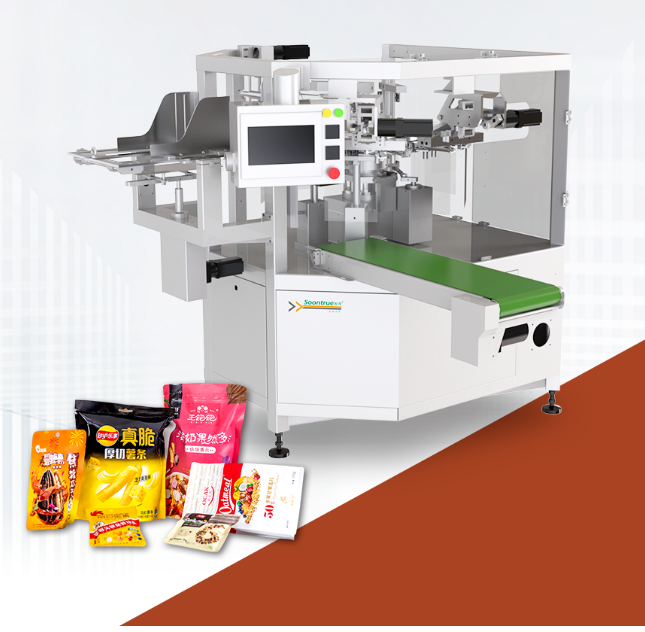
A robust maintenance plan is the foundation of machine reliability. A dual strategy combines the technical expertise of maintenance staff with the daily vigilance of machine operators. This comprehensive approach significantly reduces unexpected breakdowns and extends the equipment's operational life.
Schedule Proactive Preventive Maintenance
Preventive maintenance (PM) moves a facility from a reactive to a proactive state. It involves scheduled service tasks performed by trained technicians to prevent failures. A consistent PM schedule keeps the snacks packaging machine operating at factory specifications. Key activities include:
·Lubrication: Applying the correct lubricants to moving parts reduces friction and wear.
·Calibration: Adjusting sensors and mechanical settings ensures accuracy in sealing, cutting, and filling.
·Inspection: Technicians check high-wear components for signs of fatigue or damage.
·Replacement: They replace parts that are near the end of their service life before they can fail.
A simple PM schedule might look like this:
| Frequency | Task | Responsibility |
|---|---|---|
| Daily | Cleaning & Inspection | Operator |
| Weekly | Check Seal Jaw Wear | Technician |
| Monthly | Full Lubrication | Technician |
Empower Operators with Autonomous Maintenance
Operators are the first line of defense against downtime. Autonomous maintenance empowers them to take ownership of their equipment's health. This practice involves training operators to perform routine cleaning, inspection, and minor adjustments.
Operator involvement transforms daily routines into powerful diagnostic tools. They can spot subtle changes in machine sound, vibration, or output that often signal a developing problem.
This hands-on approach allows operators to identify and address small issues immediately. They can clean away product dust that causes sensor errors or tighten a loose guard. This prevents minor problems from escalating into major repairs that require a specialized technician and halt production.
Secure Your Operations with a Spare Parts Inventory
Identify High-Wear and Critical Components
Companies should not guess which parts to stock. A strategic approach begins with data. The original equipment manufacturer (OEM) manual is the best starting point, as it often lists recommended spare parts. Maintenance logs also provide valuable insight into which components fail most frequently on a specific snacks packaging machine.
Common high-wear parts often include:
·Heaters and thermocouples for sealing jaws
·Knives and anvils for cutting
·Pull belts for film transport
·Photo-eye sensors for registration mark detection
Stocking these items ensures the most common failure points are covered.
Organize Parts for Quick Access
A disorganized parts room creates unnecessary delays. Technicians waste valuable time searching for a component they need immediately. A clean, logical system is essential for rapid repairs.
A part you cannot find is a part you do not have. Effective organization is key to uptime.
Implement a system using clearly labeled bins and cabinets. A corresponding inventory list, whether digital or on a simple spreadsheet, should detail the part name, number, and location. This simple practice allows maintenance staff to locate and retrieve the correct component in minutes.
Establish a Reordering System
A spare parts inventory requires active management. Using the last available part without a plan for replacement defeats the purpose of having stock. A simple reordering system prevents stockouts of essential components. Companies can establish minimum and maximum stock levels for each critical part. When the quantity on hand reaches the minimum level, it automatically triggers a purchase order to replenish the stock up to the maximum level.
| Part Name | Min Quantity | Max Quantity |
|---|---|---|
| Sealing Jaw Heater | 2 | 4 |
| Cutter Blade | 4 | 10 |
| Film Pull Belt | 1 | 2 |
This proactive approach ensures the inventory remains a reliable asset.
Invest in Training to Improve Your Snacks Packaging Machine's Uptime
Well-trained operators are a company's most valuable asset for maintaining equipment health. Investing in comprehensive training transforms employees from simple machine users into proactive partners. This knowledge empowers them to run equipment efficiently, identify potential issues early, and perform basic upkeep. The result is a significant increase in uptime and a stronger return on investment.
Master Standard Operating Procedures (SOPs)
Standard Operating Procedures (SOPs) are the foundation of consistent and correct machine operation. When operators master these documented processes, they minimize errors that can lead to downtime and product waste. Training should focus on key SOPs for the snacks packaging machine.
·Correct Startup and Shutdown: Following the right sequence prevents electrical or mechanical stress.
·Efficient Changeovers: Proper procedures for changing film rolls or products reduce transition time.
·Parameter Adjustments: Understanding how to correctly adjust settings like temperature and speed ensures quality output.
Consistent adherence to SOPs eliminates guesswork and standardizes performance across all shifts.
Develop Basic Troubleshooting Skills
Empowering operators with basic troubleshooting skills is a powerful strategy for maximizing uptime. Maintenance technicians are not always needed for minor issues. Training operators to diagnose and resolve common problems allows them to make immediate fixes without stopping production for long. This training should cover frequent, low-risk issues.
| Common Problem | Operator Action |
|---|---|
| Film Tracking Issues | Adjust film roll alignment or roller tension. |
| Poor Seal Quality | Check and clean sealing jaws for debris. |
| Registration Errors | Clean the photo-eye sensor. |
This first-response capability turns operators into an effective first line of defense against lost production time.
Reinforce Safety and Cleaning Protocols
Safety and cleanliness are not separate from maintenance; they are integral to it. Proper cleaning protocols prevent product dust and crumbs from accumulating on sensors, belts, and moving parts. This buildup is a common cause of machine faults and jams. Likewise, safety procedures protect both the operator and the equipment. A well-trained operator understands how to work safely around the machine, preventing accidents that could cause injury and equipment damage. Regular reinforcement of these protocols creates a culture of care and responsibility.
Cultivate a Strong OEM Partnership
The original equipment manufacturer (OEM) is more than a vendor; it is a long-term partner in a machine's success. A strong relationship with the OEM provides access to unparalleled expertise and resources. This partnership helps a company protect its investment and ensure the equipment remains productive for its entire lifecycle.
Leverage Expert Technical Support
In-house maintenance teams are skilled, but the OEM possesses the deepest knowledge of its own equipment. Companies should leverage this expert technical support for complex challenges. OEM technicians can diagnose difficult problems that go beyond routine maintenance. They offer guidance that prevents small issues from becoming major failures.
An OEM partner provides a direct line to the engineers who designed the machine. This access is invaluable for resolving unique or persistent operational issues.
This support extends beyond emergency calls. A company can use the OEM for advanced training, clarification on technical documents, and advice on optimizing machine performance.
Stay Informed on Upgrades and Retrofits
Technology evolves constantly. The OEM is the best source of information on available upgrades and retrofits for a snacks packaging machine. These enhancements can improve performance, expand capabilities, or increase safety.
- Performance Upgrades: New software or components might increase speed or reduce waste.
- Capability Retrofits: A retrofit could allow the machine to handle new film types or package sizes.
- Safety Enhancements: Upgrades may bring the machine in line with current safety standards.
Staying informed allows a company to modernize its equipment at a fraction of the cost of a new purchase. This proactive approach extends the machine's useful life and boosts its ROI.
Plan for Long-Term Viability and Obsolescence
Every machine has a finite lifespan. A strategic partnership with the OEM helps a company plan for the future. Open discussions about the equipment's lifecycle are critical. The OEM can provide a roadmap for component obsolescence, informing the company when certain parts will no longer be available. This foresight allows the maintenance team to create a plan, such as making a final bulk purchase of critical parts. This long-term planning prevents a situation where the entire machine becomes unusable due to a single, unavailable component.
Maximizing a snack packaging machine's ROI is an ongoing commitment, not a one-time task. A company's success depends on a complete formula.
The four pillars—dual maintenance, spare parts, skilled operators, and a strong OEM partnership—provide the foundation for peak performance.
Adopting these practices transforms machine maintenance from a necessary expense into a powerful driver of profitability. This strategic approach ensures long-term operational excellence and protects the company's crucial investment.
FAQ
How often should a company perform preventive maintenance?
The ideal frequency depends on the machine model and production intensity. A company should consult the OEM manual for baseline recommendations. It can then adjust the schedule based on its specific operational data and environment to create an effective maintenance plan.
Is a large spare parts inventory always better?
No, a strategic inventory is more effective. Companies should focus on stocking high-wear and critical components identified in OEM manuals and maintenance logs. Overstocking non-essential parts ties up capital without providing a significant benefit to uptime.
What is the first step to improve operator skills?
The first step is ensuring operators master the machine's Standard Operating Procedures (SOPs). This foundational knowledge guarantees consistent, correct operation across all shifts. It builds a strong base for more advanced training in troubleshooting and autonomous maintenance tasks.
When should a company contact the OEM for support?
A company should contact the OEM for complex issues its in-house team cannot resolve. This includes persistent or unusual machine faults. The OEM is also the best resource for information on official performance upgrades, retrofits, and long-term obsolescence planning.
Post time: Oct-17-2025