
Why is Nut Packaging Changing Now?
Several key forces are driving the rapid evolution of nut packaging. These market pressures push brands to innovate for both the planet and modern consumer lifestyles. The industry is responding to clear demands for sustainability, convenience, and honesty.
The Push for Planet-Friendly Options
Consumers and governments are leading the charge against harmful packaging. Traditional plastics, derived from fossil fuels, create lasting environmental damage by breaking down into microplastics. This has prompted swift action. New regulations now compel companies to change their practices.
·California’s SB 54 law requires a 25% reduction in single-use plastics.
·The European Union has its own Single-Use Plastics Directive.
·Many regions are banning materials like PFAS “forever chemicals” from food packaging.
A recent survey shows over one-third of consumers will pay more for sustainable packaging. This proves that eco-friendly options are a market expectation, not just a niche interest.
The Demand for On-the-Go Convenience
Modern life is fast-paced, and snacking habits reflect this. The global snacks market is booming, driven by consumers who need portable and convenient food choices.
| Metric | Value |
|---|---|
| Global Snacks Market Size (2023) | USD 692.52 billion |
| Projected Annual Growth (CAGR) | 4.2% |
This on-the-go trend directly influences packaging design. Consumers prefer resealable pouches and easy-to-open containers. These features offer portion control and maintain freshness, fitting perfectly into busy schedules. A modern nuts packing machine is essential for producing these advanced, user-friendly formats at scale.
A Call for Brand Transparency
Today’s shoppers want to know more about the products they buy. They value transparency in sourcing and packaging materials. Data shows this demand has real financial impact, as 82% of consumers are willing to pay more for sustainable packaging. Furthermore, 71% actively choose products based on the sustainability of their packaging. Brands are responding by providing clear, accessible information. This includes details on recyclability and material composition, often found right on the label.
The "Greener" Revolution: Eco-Friendly Materials
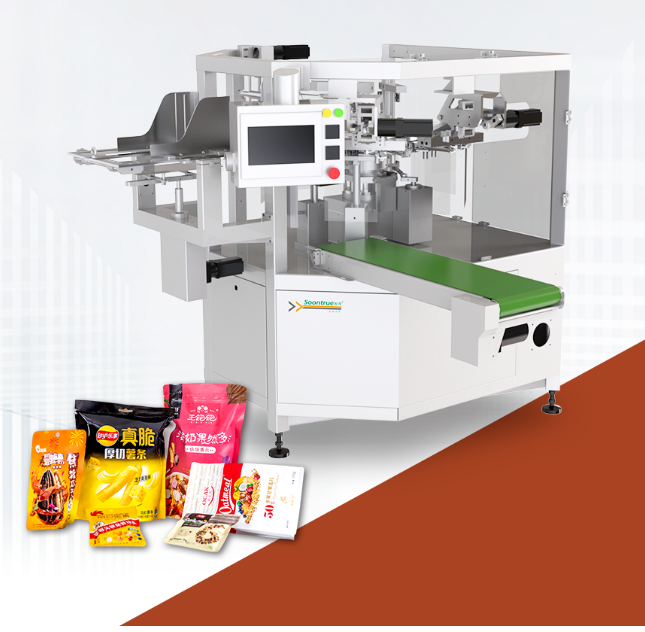
Brands are actively replacing traditional plastics with innovative, eco-friendly materials. This green revolution focuses on reducing environmental impact while maintaining product protection. The industry is exploring bioplastics, paper, and highly recyclable mono-materials to build a more sustainable future.
Beyond Plastic: The Rise of Bioplastics
Bioplastics offer a promising alternative to fossil fuel-based polymers. Materials like PLA (polylactic acid) come from renewable resources such as corn starch. They can maintain excellent seal integrity to keep nuts fresh. A key advantage is their ability to decompose under specific industrial composting conditions.
However, not all bioplastics are created equal. For a package to be truly "compostable," it must meet strict scientific standards. Certifying bodies in North America and Europe use these standards to verify that a material breaks down safely and completely.
| Region | Certifying Body | Industrial Compostability Standard |
|---|---|---|
| North America | Biodegradable Products Institute (BPI) | ASTM D6400, ASTM D6868 |
| Europe | TUV Austria | EN 13432 |
| Europe | European Bioplastic “seedling” logo | EN 13432 |
What do these standards mean?A certified compostable product must meet several criteria. Within 180 days, 90% of its carbon must convert to CO2. The material must also disintegrate into small pieces and leave behind no substances that are toxic to plants or the environment.
Paper-Based Pouches and Canisters
Paper is making a major comeback in nut packaging. Consumers often see paper as a more natural and recyclable choice. Brands are adopting several paper-based solutions:
·Kraft paper-coated packaging provides an earthy, organic look. It often includes a thin inner barrier layer to preserve freshness while reducing overall plastic use.
·Paper-plastic hybrid solutions combine a recyclable paper outer layer with a very thin plastic inner layer. This design balances an eco-friendly appearance with the moisture resistance needed to protect the nuts.
Modern technology makes these paper packages possible. Advanced barrier coatings protect the snacks from oxygen and moisture without adding bulky plastic liners. For example, Kind Snacks uses a proprietary coating on its paper wrappers to ensure freshness. Other innovators apply ultra-thin coatings with a print-like process, creating a barrier that keeps products safe while allowing the package to remain recyclable.
Closing the Loop with Mono-Materials
Complexity is the enemy of recycling. Traditional flexible packaging often fuses multiple types of plastic, making it nearly impossible to separate and recycle. Mono-materials solve this problem. These packages use a single type of polymer, like polyethylene (PE), for the entire structure.
This uniformity makes the recycling process much simpler and more efficient. Leading eco-friendly innovations today include:
1.Bio-Based Materials: Such as PLA, which reduces environmental impact.
2.Mono-Material Plastic: Easier to recycle and reuse than composite plastics.
3.Paper-Plastic Hybrid Solutions: Balancing eco-friendliness with functionality.
The benefits are clear. Recyclable mono-material bags support a circular economy where materials are reused instead of thrown away. Research shows that recycling mono-material polyethylene significantly reduces carbon emissions. One analysis found that for every ton of plastic products, using mono-materials cut CO2 emissions by over 3,600 kg after just four recycling cycles. This shift helps close the loop, turning old packaging into new resources.
The "Smarter" Shift: Functional and Interactive Design
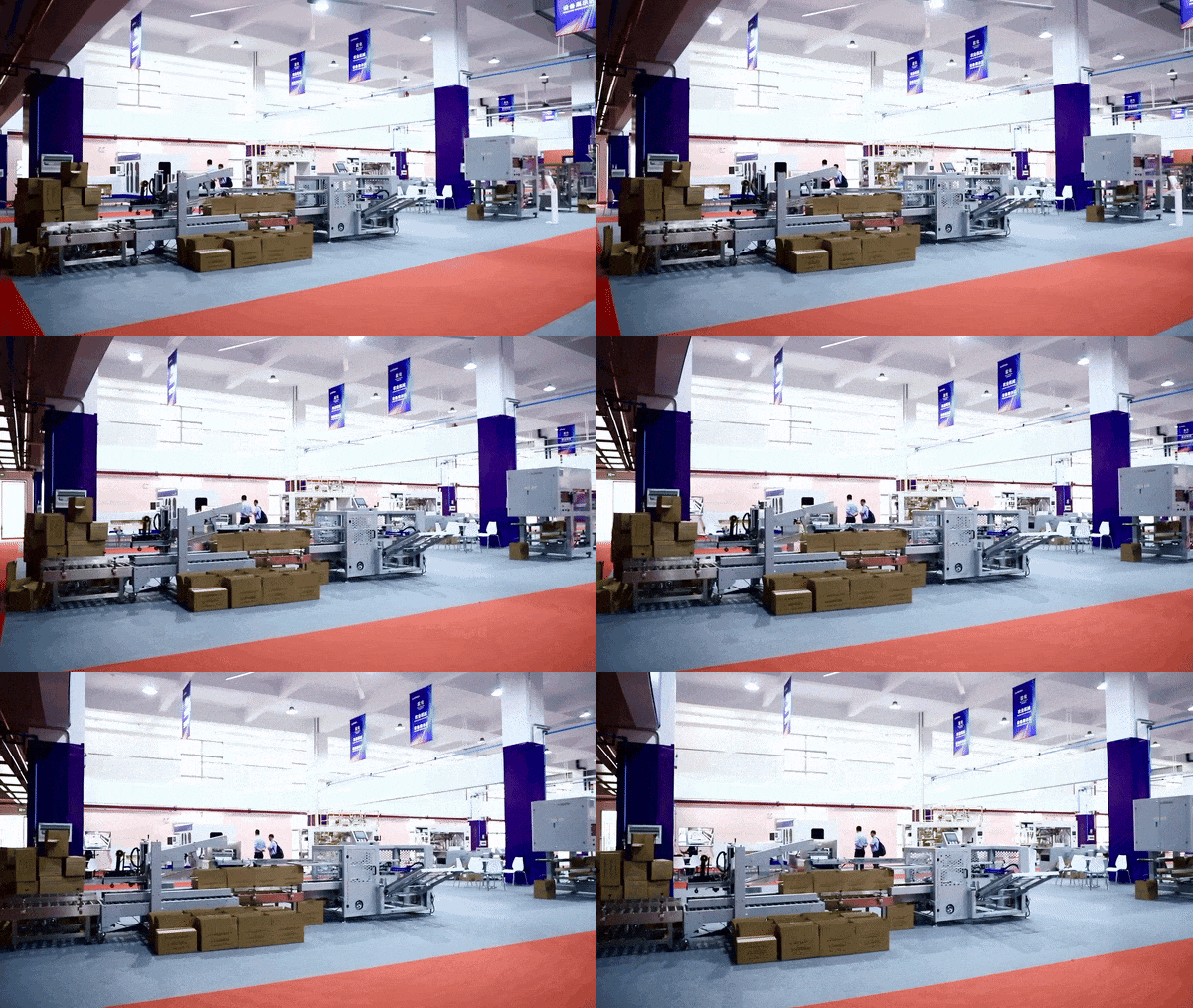
Beyond eco-friendly materials, nut packaging is becoming more intelligent. This "smarter" shift focuses on designs that improve daily use and create a direct connection between the consumer and the brand. Functional features enhance convenience, while interactive elements provide valuable information with a simple scan.
Convenience is King: Resealable Packs
Modern consumers demand packaging that fits their busy lives. Resealable closures are no longer a luxury; they are an expectation. This feature allows for easy access while keeping nuts fresh over multiple snacking occasions. Consumers especially expect high-value nuts like walnuts and pistachios to have reliable, high-quality zippers.
Brands can choose from many advanced closure options to meet this demand. A modern nuts packing machine can apply these features with precision. Popular choices include:
·Press-to-Close Zippers: These are the most common type and include single-track, double-track, and powder-proof designs.
·Sliders: A plastic tab glides across the track, making opening and closing effortless for consumers of all ages.
·Hook and Loop: This style offers a secure seal that is easy to align and close.
·Compostable Zippers: These align with sustainability goals by using materials like PLA that can break down in industrial compost facilities.
Freshness First: Portion-Control Pouches
The trend toward healthy, convenient snacking has boosted the popularity of single-serve packs. In 2024, these individual portions hold the largest share of the trail mix market. Busy professionals and health-conscious individuals drive this demand. They seek quick, nutritious options that fit their schedules.
Portion-control pouches offer two key benefits. First, they guarantee freshness for every serving. Second, they help reduce food waste. Research confirms that smaller portion sizes lead to less food intake and less plate waste.
One study found that offering a to-go container for leftovers increased the food's perceived value. This simple option encouraged people to consume less from a large portion, directly reducing waste without feeling less satisfied.
This strategy makes portion-control packs an effective tool for both consumers and the environment.
Get Informed: QR Codes and NFC Tags
Smart packaging turns a simple container into a digital gateway. QR codes and Near Field Communication (NFC) tags connect consumers to a wealth of online information. A quick scan with a smartphone can unlock details that build trust and drive engagement.
Research shows 92% of consumers want more transparent product information. They link traceability with safety and quality. Brands use QR codes to meet this need by providing:
·Promotions: Over half of shoppers use QR codes for coupons.
·Recycling Guidelines: Programs like Recycle Check use QR codes to give zip-code-specific disposal instructions.
·Ingredient Disclosure: New rules require brands to disclose GMO ingredients, and QR codes are an approved method.
Many brands already use this technology to create exciting consumer experiences.
| Brand | Interactive Feature | Consumer Engagement Outcome |
|---|---|---|
| Pepsi | QR codes on cans linked to AR selfie lenses and videos. | Provided exclusive content and an augmented reality experience. |
| Vita Coco | QR codes on displays launched a "money back guarantee" game. | Drove in-store engagement with a playful digital incentive. |
| Stacy’s Pita Chips | QR codes on bags opened a directory of female-founded businesses. | Connected consumers with local entrepreneurs to support the community. |
| Funny-Frisch Chips | QR codes activated a mobile game to encourage repeat purchases. | Increased engagement through gamification and prize incentives. |
NFC tags offer an even more seamless experience, requiring just a tap from a phone. Wineries like JCB use NFC to let customers verify a bottle's authenticity, which reduced counterfeiting complaints by 30%. Other brands use NFC to offer exclusive discount codes, product tutorials, or behind-the-scenes videos, creating a deeper and more memorable brand connection.
How Technology is Making it Happen
Advanced technology is the engine driving the evolution of nut packaging. Breakthroughs in material science, machinery, and data integration work together. They turn sustainable and smart concepts into tangible products on store shelves. This synergy allows brands to meet consumer demands for greener, more functional packaging.
Innovations in Material Science
Scientists are developing the next generation of packaging materials in their labs. They engineer new polymers and coatings that offer protection without harming the planet. This research focuses on creating effective barriers that block oxygen and moisture. These barriers are essential for keeping nuts fresh. At the same time, the materials must be recyclable or compostable. This scientific progress makes it possible to use paper and mono-materials without sacrificing shelf life.
The Role of the Modern Nuts Packing Machine
New materials require new manufacturing capabilities. A modern nuts packing machine is a highly sophisticated piece of equipment. It must handle a wide range of materials, from delicate paper to flexible mono-material films. Engineers design the nuts packing machine for versatility and precision. It can apply resealable zippers, create portion-control pouches, and print high-resolution QR codes at high speeds. This advanced nuts packing machine ensures that every package is sealed perfectly to maintain freshness and quality.
Smart Supply Chain Integration
Technology connects the physical package to the digital world. Smart packaging with RFID (Radio Frequency Identification) tags transforms supply chain management. This integration provides companies with unprecedented visibility and control over their inventory. The benefits are significant:
·Real-time inventory tracking follows products automatically through the supply chain.
·Enhanced accuracy reduces errors and helps locate stock quickly.
·Theft prevention is improved by detecting stock deviations immediately.
·Increased productivity allows employees to focus on higher-value tasks.
This level of data integration eliminates human error from manual counts. It also prevents stock shortages, ensuring products are always available for consumers.
Challenges on the Road to 2026
The path to fully sustainable and smart packaging presents several hurdles. Brands must navigate the complexities of cost, food safety, and consumer behavior. Overcoming these challenges is crucial for the industry's successful transition by 2026.
Balancing Cost and Sustainability
Adopting greener materials often comes with a higher price tag. Companies must balance their sustainability goals with financial realities. Plant-based and innovative materials can cost significantly more than conventional plastics.
| Material Type | Cost Premium Compared to Conventional Plastics |
|---|---|
| Bioplastic packaging | 20–50% higher |
| Innovative natural materials | 50–100% more |
While basic recycled paper may have a smaller premium, the initial investment for many eco-friendly options is substantial. Ongoing advancements and rising demand are helping to lower these costs. However, the price difference remains a key consideration for brands of all sizes.
Ensuring Food Safety and Shelf Life
A package's most important job is to protect the product inside. Nuts are sensitive to oxygen and moisture, which can cause them to become stale or spoil. Traditional multi-layer plastic packaging creates an excellent barrier against these elements. New eco-friendly materials must perform just as well.
The challenge lies in creating a package that is both biodegradable or recyclable and strong enough to guarantee freshness from the factory to the consumer's pantry.
Scientists are developing advanced coatings and films for paper and mono-materials. These innovations aim to provide necessary protection without compromising the material's sustainable properties. This ensures that greener packaging does not lead to increased food waste.
Educating Consumers on Proper Disposal
New packaging materials can create confusion. A compostable pouch thrown in a recycling bin can contaminate the entire batch. Clear communication is essential to ensure consumers dispose of packaging correctly. Brands and communities can use several strategies to guide people.
- Clear Labeling: Simple, easy-to-understand icons and instructions on the package itself help consumers make the right choice at the bin.
- Educational Campaigns: Media campaigns can teach the public about the environmental impact of waste and how to sort new materials.
- Online Resources: Websites and social media channels can offer detailed disposal guides and answer common questions.
- Community Engagement: Local workshops and events help people learn about recycling and composting options in their area.
Effective education empowers consumers to participate in the circular economy and helps new sustainable systems succeed.
The future of nut packaging fuses green materials with smart, user-focused design. By 2026, consumers can expect packaging that helps them reduce waste and make informed choices. The industry's success depends on balancing innovation with affordability and clear communication. These advancements are creating a better experience for shoppers and a healthier planet.
FAQ
Will eco-friendly nut packaging cost more?
Sustainable materials can have higher production costs. Brands sometimes pass this expense to shoppers. However, prices often decrease as technology improves and demand grows. Many consumers show a willingness to pay a small premium for greener options that benefit the planet.
Why do nut packages have QR codes?
QR codes turn the package into an information hub. A quick scan with a smartphone can reveal details about the product's origin. Shoppers also find recycling instructions, special promotions, or brand stories. This technology helps brands build trust through transparency.
How do I dispose of compostable nut packaging?
Compostable packaging requires specific conditions to break down. It should not go into a standard recycling bin. Consumers must place it in an industrial composting facility collection bin. Check local guidelines to find available services in your area.
Is green packaging as good at keeping nuts fresh?
Yes, modern eco-friendly packaging protects freshness effectively. Material scientists have developed advanced barrier coatings for paper and mono-materials. These innovations block oxygen and moisture. They ensure the nuts remain fresh from the factory to your home without using traditional plastics.
Post time: Oct-17-2025