
The powder packaging industry is undergoing a significant transformation. Advanced sustainable materials are becoming the new standard for manufacturers. Smart technologies now offer complete product traceability from factory to consumer. Automated systems, including the modern POWDER POUCH PACKING MACHINE, deliver exceptional precision. These innovations work together, creating efficient processes that greatly reduce product waste and enhance operational accuracy for brands.
Trend 1: Advanced Sustainable and Recyclable Materials
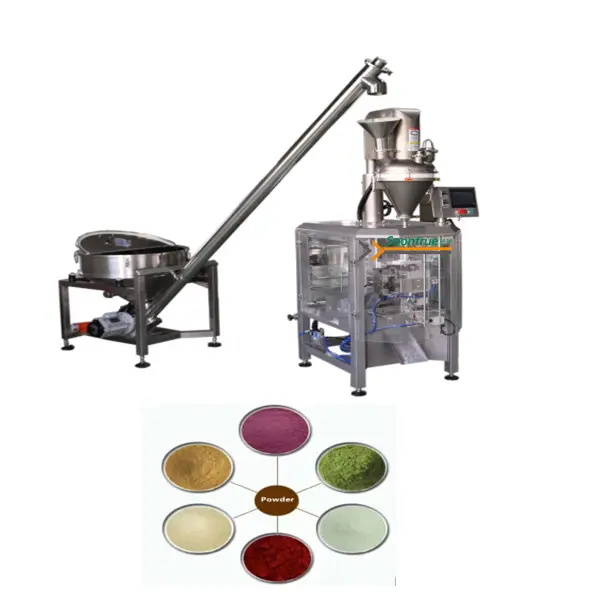
The shift toward environmental responsibility is reshaping the packaging landscape. Market forecasts for 2026 and beyond show significant growth in sustainable materials, including biodegradable polymers and advanced recycling technologies. This movement pushes brands to adopt greener alternatives for powder products.
The Rise of Mono-Material PouchesBrands are rapidly adopting mono-material pouches. These pouches use a single type of plastic, like polyethylene (PE) or polypropylene (PP). This design simplifies the recycling process. Traditional multi-layer packaging is difficult to recycle, but mono-material structures are designed for existing recycling streams.
A Clear Advantage: Mono-material packaging streamlines recycling, reduces contamination, and produces higher-quality recycled material compared to complex multi-layer films.
The food and beverage industry leads this change, using these pouches for products like soup mixes. The pharmaceutical sector also adopts them for powders and nutraceuticals. The comparison below highlights the benefits:
| Packaging Type | Recycling Rate | Ease of Recycling |
|---|---|---|
| Traditional Multi-layer | ~5% | Difficult |
| Mono-material | Higher | Simplified |
Innovations in Compostable Polymers
Compostable polymers offer another powerful sustainable solution. Recent breakthroughs have made these materials stronger and more versatile.
- Advanced Bioplastics: New PLA (polylactic acid) formulations provide better strength. PHA (polyhydroxyalkanoate) is a unique bioplastic that can degrade in soil and marine environments.
- Renewable Sources: Scientists now create compostable materials from algae and agricultural waste. These sources turn husks and stalks into valuable packaging resources.
Major companies are developing biopolymers from plant starches and proteins. They use advanced technologies like cold plasma and ultrasound to improve the material's barrier properties, making them suitable for protecting sensitive powders.
High-Barrier Paper-Based Solutions
Paper is a leading sustainable choice, and new technologies are overcoming its limitations. Manufacturers now produce high-barrier paper-based packaging perfect for powders. For example, companies like ProAmpac create laminated paper structures for the pharmaceutical industry. These materials offer excellent protection from moisture, oxygen, and light. This ensures product integrity and works efficiently on high-speed packaging lines.
Trend 2: Smart Packaging and Digital Integration
Digital technologies are transforming powder packaging from a simple container into an interactive data hub. By 2026, smart features will be standard, offering brands unprecedented opportunities for supply chain transparency, quality control, and consumer engagement. This integration connects the physical product to a network of digital information, building trust and adding value.
QR Codes and NFC for Traceability
Brands now use QR codes and Near Field Communication (NFC) tags to create a transparent supply chain. Consumers can scan a package with their smartphone. This action reveals detailed information about the product's journey from production to the shelf. This technology allows companies to share batch-specific data, certificates of analysis, and sourcing information directly with the end-user.
Building Consumer Trust: This level of transparency is no longer a luxury; it is an expectation. It empowers consumers with knowledge and reinforces brand credibility in a competitive market.
Sensor-Enabled Quality Assurance
Advanced sensors embedded in packaging actively monitor and protect product quality. For instance, chipless RFID humidity sensors can detect low-humidity conditions, which may indicate a breach in package integrity. Temperature sensors track environmental conditions to prevent product degradation during shipping and storage. Additionally, manufacturing lines use other sensors for precision. Weight sensors verify the correct powder amount, while vision systems inspect label placement, ensuring every package meets strict quality standards.
Augmented Reality Enhanced Experiences
Augmented Reality (AR) is turning packaging into an engaging digital experience. Brands are using AR to connect with consumers in new and exciting ways. Scanning a package can unlock a variety of interactive content.
·Accessing how-to videos or mixing tutorials.
·Viewing personalized nutritional information and supplementation plans.
·Exploring ingredient narratives and third-party lab results.
A vitamin brand, for example, successfully used QR codes to link to detailed product information. This move reduced customer service inquiries and boosted consumer satisfaction. AR makes the package a gateway to valuable content.
Trend 3: Automation with Advanced Machinery

Automation is no longer a futuristic concept; it is a core strategy for modern packaging operations. The global packaging automation market is set to expand significantly, with a projected Compound Annual Growth Rate (CAGR) of 8.2% from 2023 to 2030. This growth highlights a major industry shift toward robotic systems and advanced machinery that boost efficiency, accuracy, and safety.
The Role of Robotic Filling Systems
Robotic filling systems are transforming powder packaging lines. These robots handle tasks with unmatched precision and consistency. They position each bag perfectly for filling, which eliminates misalignment and reduces product spillage. This precision minimizes airborne dust, creating a safer and cleaner work environment.
·Consistent Throughput: Robots can consistently fill between 15 and 22 bags per minute.
·Gentle Handling: They manage delicate materials and abrasive powders without tearing the packaging.
·Enhanced Accuracy: Integrated weigh-and-dispense systems ensure each package contains the exact amount of product.
Upgrading to a Modern POWDER POUCH PACKING MACHINE
Investing in a modern POWDER POUCH PACKING MACHINE provides a substantial return on investment. These machines are engineered for flexibility and high performance. A single POWDER POUCH PACKING MACHINE can handle various pouch types, from stand-up pouches to three-side-seal sachets. This versatility allows brands to manage multiple products with one system.
Key Advantage: A modern POWDER POUCH PACKING MACHINE uses high-accuracy auger fillers. This technology minimizes product giveaway and reduces material waste, leading to direct cost savings.
Advanced controls with PLCs and touchscreen interfaces simplify operation and reduce human error. The durability of a POWDER POUCH PACKING MACHINE, built with corrosion-resistant parts, ensures it performs reliably in high-dust environments.
Integrating Automated Sealing and Handling
A fully automated line integrates sealing and handling seamlessly. After filling, a conveyor system transfers pouches to the next station. Automated sealing units use methods like heat fusion to create a strong, airtight seal that protects product integrity. The entire process is managed by a central PLC. This controller oversees every step, from weighing and filling to sealing and ejecting finished packages. This level of integration ensures high-speed throughput without sacrificing quality control.
Trend 4: Precision-Enhancing Technologies
Precision is the new benchmark for profitability and quality in powder packaging. By 2026, technologies that enhance accuracy at every stage—from sealing to dosing—will be essential. These advancements reduce waste, improve product safety, and boost the bottom line, making every gram of powder count.
Widespread Adoption of Ultrasonic Sealing
Manufacturers are increasingly adopting ultrasonic sealing for its superior performance with fine powders. This food-safe method uses high-frequency vibrations to create a strong molecular bond. It effectively seals through stray powder particles that might get trapped in the seal area, preventing the weak or failed seals common with traditional heat-sealing methods.
This technology also significantly reduces material consumption. Ultrasonic sealing creates much narrower seals compared to heat sealing, leading to direct film savings.
- Traditional heat seals often require a width of 4–6 mm.
- Ultrasonic seals can be up to 75% narrower.
- For a standard snack bag, this can save 0.75 inches of film per package.
Innovations in Integrated Dose-Control
Modern packaging lines feature intelligent dose-control systems that ensure consistent powder flow. These systems are crucial for managing powders with challenging characteristics, like spices. They use integrated tools such as agitators and vibration plates. These components keep the powder moving smoothly and prevent blockages in the dosing nozzle, ensuring a uniform fill every time. This level of control eliminates irregularities and maintains production efficiency.
Minimizing Giveaway with Accurate Dosing
Accurate dosing technology directly translates to higher profit margins by minimizing product giveaway. Advanced fillers use intelligent systems that automatically monitor and adjust each dose. This precision eliminates both underfilling and overfilling, ensuring every package meets its exact weight requirement.
The Financial Impact: Modern dosing systems offer accuracy within +/- 0.5%, a major improvement over the +/- 1-3% tolerance of older equipment. For a company producing 200,000 units weekly, reducing overfill by just 2 grams per unit saves 400 kg of product every week.
This capability allows manufacturers to set fill targets closer to the labeled net weight without risk. The result is less wasted product and a significant boost to profitability.
Trend 5: Consumer-Centric and Accessible Design
By 2026, packaging will evolve beyond simple containment to become a key part of the user experience. Brands are focusing on designs that are convenient, efficient, and accessible to all consumers. This shift prioritizes ease of use and inclusivity, turning the package itself into a competitive advantage.
Next-Gen Easy-Open and Recloseable Features
Consumers strongly prefer packaging that is easy to use. This demand drives innovation in opening and closing mechanisms. Surveys show that over 50% of consumers find easy-open features essential. The desire for resealable options is even higher, with many willing to pay more for the convenience.
- More than 80% of consumers would choose resealable packaging over other types.
- Consumers are prepared to pay 14% more for products with resealable packaging.
To meet this demand, manufacturers are integrating advanced features. Innovations like powder-proof zippers and certified child-resistant closures are becoming standard. These technologies prevent leaks, maintain product freshness, and enhance safety.
Lightweighting and Format Optimization
Brands are reducing package weight to cut costs and improve sustainability. Using lighter, flexible materials significantly lowers shipping expenses and reduces a company's carbon footprint. Lighter shipments consume less fuel during distribution, leading to direct environmental and financial benefits.
The Impact of Lightweighting: Switching to lighter materials reduces material consumption and increases shipping efficiency. This strategy lowers both transportation costs and CO₂ emissions, creating a more sustainable supply chain.
Optimizing the package format also eliminates unnecessary material. This lean approach ensures that every package is designed for maximum efficiency from production to delivery.
Developing Inclusive Packaging Designs
The future of packaging is inclusive. Brands are developing designs that everyone can use, regardless of physical ability. This means creating packaging that is simple to handle for individuals with limited strength or dexterity. Key principles include:
- Ease of Opening: Incorporating simple pull mechanisms and easy-grip tabs.
- Ergonomic Shapes: Designing containers that are comfortable to hold.
- Perceptible Information: Ensuring key details are clear and easy to read.
Companies like Kellogg's and Unilever are leading the way. Unilever's Degree Inclusive deodorant, for example, features a hooked lid for one-handed use and magnetic closures. These thoughtful designs, co-created with the disability community, make products accessible to more people.
The future of powder packaging in 2026 is shaped by five interconnected trends: sustainability, digital integration, automation, precision, and consumer-centric design. Advanced equipment like the POWDER POUCH PACKING MACHINE integrates these innovations. Adopting these technologies enables brands to create a more efficient, transparent, and user-friendly packaging strategy. This approach builds an environmentally sound foundation for future success.
FAQ
Why should a company upgrade to a modern POWDER POUCH PACKING MACHINE?
A modern POWDER POUCH PACKING MACHINE boosts efficiency and reduces costs. Its high-accuracy auger filler minimizes product giveaway. The machine’s versatility allows it to handle various pouch types, providing a significant return on investment through improved performance and material savings.
What makes mono-material pouches better for recycling?
Mono-material pouches use a single type of plastic, like polyethylene. This simple structure makes them compatible with existing recycling streams. The process is easier and produces higher-quality recycled material compared to complex, multi-layer packaging, which is difficult to separate and recycle.
How does ultrasonic sealing improve powder packaging?
Ultrasonic sealing uses vibrations to create a strong bond, even through powder residue. This prevents weak seals and product contamination. The technology also creates narrower seals, reducing film consumption by up to 75% and lowering material costs for manufacturers.
What is the main advantage of adding QR codes to packaging?
QR codes offer complete supply chain transparency. Consumers can scan the code to access detailed product information, including origin, batch data, and certifications. This direct access to information builds consumer trust and reinforces a brand's credibility in the market.
Post time: Nov-07-2025