
An investment in a new flow packing machine represents a significant capital expenditure. The final flow packing machine price depends on a combination of core specifications, customizations, and operational factors. This market continues to expand, reflecting its importance in modern manufacturing.
| Metric | Value |
|---|---|
| Market Size in 2025 | USD 4.15 Billion |
| CAGR (2025–2033) | 5.8% |
Note: A basic, entry-level model starts around $15,000. A high-speed, fully automated system can exceed $250,000.
Key Factors Influencing the Core Flow Packing Machine Price
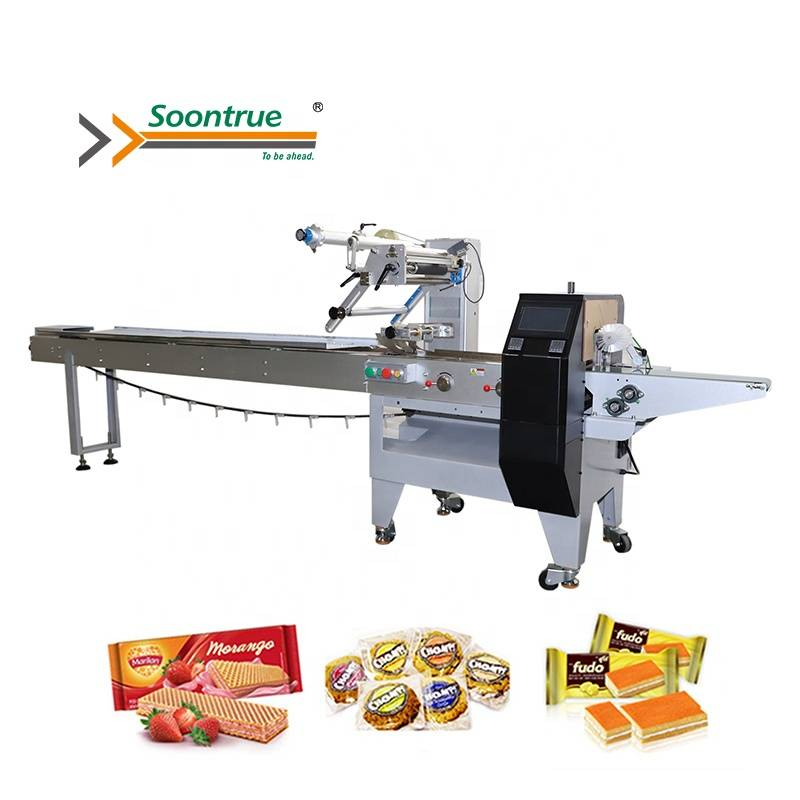
The initial sticker price of a flow wrapper is not a single number. It is the sum of several critical engineering and design choices. Four core factors heavily influence the base flow packing machine price: the sealing mechanism, production speed, construction materials, and the level of automation. Understanding these elements helps a buyer specify a machine that aligns with both production needs and budget constraints.
Machine Type: Rotary Jaw vs. Box Motion
The sealing jaw mechanism is a primary cost driver. It dictates the machine's speed, seal quality, and film compatibility. The two dominant designs are rotary jaw and box motion.
·Rotary Motion Jaws: This system uses a continuously rotating jaw assembly. It clamps, seals, and cuts the film in one fluid motion, enabling very high throughput. It excels with standard, heat-sealable films like polypropylene.
·Box Motion Jaws: This mechanism moves the sealing jaws in a linear "box" pattern. The jaws close on the film, travel with it for a moment to create a longer seal (increased dwell time), and then retract. This process is ideal for thicker materials or films that require more time to create a strong, hermetic seal.
Neither design is universally superior. The choice depends entirely on the product, packaging material, and speed requirements.
| Feature | Rotary Jaws | Box Motion Jaws |
|---|---|---|
| Max Speed | 250+ packs/min | 180 packs/min |
| Seal Quality | Good | Excellent |
| Film Versatility | Limited | Extensive |
| Energy Use | 15-25 kW | 18-30 kW |
| Maintenance Cycle | 750,000 cycles | 1,200,000 cycles |

Pro Tip: Making the Right ChoiceA company should select Rotary Jaws if:
·Maximum speed is the top priority (over 200 PPM).
·The production line uses standard plastic films.
·Products are uniform in shape and size.
A company should select Box Motion Jaws if:
·The packaging strategy involves sustainable, paper-based, or compostable films.
·A perfect hermetic seal is non-negotiable (e.g., for gas flushing).
·Products are tall, fragile, or irregularly shaped.
Speed and Capacity: Packs Per Minute (PPM)
A machine's speed, measured in packs per minute (PPM), is directly proportional to its cost. Higher speeds require more robust mechanical components, advanced electronics, and powerful motors to maintain accuracy and reliability. A machine rated for 180 PPM will carry a significant premium over a model that runs at 60 PPM.
The price escalates significantly with speed, as illustrated below:
| Model Type | Average Price (USD) | Speed (PPM) |
|---|---|---|
| Semi-Auto Vertical | $9,000–$16,000 | 20–40 |
| Fully Auto Horizontal | $35,000–$55,000 | 60–120 |
| High-Speed Servo Model | $70,000+ | 120–180+ |
Additionally, the manufacturer's origin plays a role. Machines from European manufacturers, particularly from Germany and Italy, typically command premium prices ($50,000+) due to their reputation for robust engineering and longevity. In contrast, Asian-made units offer more budget-friendly alternatives ($15,000–$40,000), though buyers should carefully assess build quality and local support.
Build Quality: Stainless Steel Grades and Frame
The physical construction of the machine is a crucial factor in its price and lifespan, especially in food, beverage, and pharmaceutical applications.
·Stainless Steel Grade: Most flow wrappers use stainless steel for product contact areas. The standard is SS304, which offers good corrosion resistance for most dry applications. However, machines intended for wet environments or corrosive products (e.g., those with high salt content) require SS316 stainless steel. This marine-grade steel offers superior corrosion resistance but adds a notable percentage to the machine's cost.
·Frame Construction: The machine's frame can be either bolted or fully welded. A fully welded, heavy-duty frame provides greater rigidity, reduces vibrations at high speeds, and eliminates crevices where bacteria can grow. This superior hygienic design and stability come at a higher price than a bolted frame.
Automation Level: Servo Motors and PLC Controls
The "brains" and "muscles" of a modern flow packing machine are its automation components. The sophistication of these systems is a major cost differentiator.
·Servo Motors: Entry-level machines may use a single motor with mechanical linkages. High-performance machines, however, utilize multiple independent servo motors to control the infeed, film feed, and sealing jaws. Each additional servo axis adds cost but provides immense benefits, including faster product changeovers, higher precision, reduced film waste, and less mechanical wear.
·PLC (Programmable Logic Controller): The PLC is the central computer that runs the machine. The brand and model of the PLC significantly impact the price. Allen-Bradley (Rockwell Automation) and Siemens are two of the most common high-end PLC providers. The choice often depends on the plant's existing technology standard and the availability of trained technicians. Allen-Bradley systems are dominant in North America and often carry a higher upfront cost, while Siemens is a leader in Europe and Asia and can be more cost-effective for large-scale projects.

The PLC brand influences not just the initial hardware cost but also software licensing, integration time, and long-term support availability.
How Customization and Add-Ons Impact Your Quote
The base price of a flow wrapper is just the starting point. Optional modules and customizations significantly influence the final quote. These add-ons enhance functionality but also increase the overall investment. A buyer must evaluate which features are essential for their specific application.
Infeed and Feeding Systems
The method for loading products into the machine is a major cost variable.
·Manual Infeed: The simplest option involves operators manually placing products onto the conveyor. This is low-cost but limits speed and increases labor needs.
·Automated Infeed: Automated systems use belts, pushers, or robotics to feed products consistently. These systems maximize speed and reduce manual handling but add substantial cost.
Date Coders and Printers
Most food and pharmaceutical products require date codes, lot numbers, or barcodes. Integrating a printing solution is a common and necessary addition. The two most prevalent technologies are Thermal Transfer Overprinters (TTO) and Continuous Inkjet (CIJ) printers. Each has a distinct price point and application suitability.
| Printer Type | Price Range |
|---|---|
| Entry-Level TTO Systems | $3,000 – $7,000 |
| CIJ Printers | $8,000 – $20,000+ |
TTO printers are ideal for printing high-resolution text and graphics directly onto the film, while CIJ printers excel at high-speed coding on various surfaces.
Gas Flushing for Modified Atmosphere Packaging (MAP)
Gas flushing systems extend product shelf life by replacing oxygen inside the package with an inert gas like nitrogen. This process, known as Modified Atmosphere Packaging (MAP), requires specialized hardware. The addition of a gas flushing system increases the flow packing machine price due to the need for gas lances, flow meters, and a compatible sealing system (often box motion) to ensure a hermetic seal.
Specialized Features and Film Handling
Other custom features can further impact the cost. These include:
·Gusseting Devices: Creates a "block bottom" bag for better presentation on shelves.
·No Product / No Bag Function: Prevents film waste by stopping the machine if no product is detected.
·Specialized Film Cradles: Accommodates unique or difficult-to-handle film materials.
Understanding the Total Cost of Ownership (TCO)
A smart investment looks beyond the initial sticker price. The Total Cost of Ownership (TCO) provides a complete financial picture, encompassing all expenses over the machine's lifespan. Factoring in these long-term costs is essential for an accurate budget and ROI calculation. A lower initial Flow Packing Machine Price can sometimes lead to higher TCO if operational and maintenance costs are excessive.
Installation, Commissioning, and Training
The journey from delivery to full production involves several key costs.
·Installation & Commissioning: A manufacturer’s technician typically handles the setup and ensures the machine runs to specification. These services are often quoted separately.
·Training: Proper operator and maintenance training is vital. It reduces downtime and empowers the team to handle minor issues, maximizing productivity from day one.
Ongoing Operational Costs
Daily expenses form a significant part of the TCO. These include the costs of electricity, compressed air, packaging film, and the labor required to operate the machine. Efficient machines with features like "no product, no bag" help control these expenditures by minimizing waste.
Maintenance and Spare Parts Availability
Effective maintenance planning prevents costly unplanned downtime. The accessibility and cost of spare parts are major long-term variables. A buyer's choice between local and overseas suppliers has significant financial implications.
Key Consideration: Supplier LocationThe geographic location of your parts supplier directly impacts lead times, costs, and support quality.
| Aspect | Local Suppliers | Overseas Suppliers |
|---|---|---|
| Lead Time | Shorter, often same-day | Longer, subject to customs |
| Part Cost | Generally lower | Higher due to shipping/duties |
| Support | Immediate, same time zone | Delayed by time differences |
| Emergency Response | Quick reaction | Slower due to distance |
Manufacturer Reputation and Support
A reputable manufacturer provides more than just a machine; they offer a partnership. Strong after-sales support, warranty, and service level agreements (SLAs) protect the investment. Leading suppliers often provide tiered service packages. For example, a manufacturer might offer:
·Level 1: Basic inspection and remote support.
·Level 3: Adds maintenance and predefined parts.
·Level 7: Guarantees production output with an on-site manager.
These structured agreements offer predictable maintenance costs and expert assistance.
2025 Price Benchmarks by Application
Entry-Level (e.g., Small Bakery): $15,000 - $40,000
This price range is ideal for small businesses, startups, and operations with lower production demands, such as a local bakery packaging cookies or a small company bagging craft items. Machines in this category prioritize affordability and simplicity over high speed and advanced automation.
Operators typically find basic functionality sufficient for their needs. Key specifications for an entry-level machine include:
·Production Speed: These models generally run at a modest pace, often between 15 and 60 units per minute (UPM).
·Sealing Type: Heat sealing is the most common method, suitable for standard polypropylene films.
·User Interface: A simple Human-Machine Interface (HMI), sometimes with a touchscreen, allows for basic adjustments.
·Material Compatibility: The machine must handle the business's chosen film type and thickness.
·Footprint: These machines are often more compact, fitting into smaller production spaces.
A buyer in this segment must balance initial cost with long-term viability. The availability of local service technicians and affordable spare parts is a critical consideration for minimizing downtime.
| Machine Focus | Speed (UPM) | Typical Price | Ideal User |
|---|---|---|---|
| Semi-Auto Horizontal | 15–40 | $15,000–$30,000 | Startups, small snack producers |
| Basic Auto Horizontal | 40–80 | $30,000–$40,000 | Growing bakeries, small-scale lines |
Mid-Range (e.g., Medium Food Production): $40,000 - $100,000
Medium-sized food producers, contract packagers, and companies scaling up their operations typically invest in this tier. These machines offer a significant leap in performance, durability, and automation compared to entry-level models. The higher Flow Packing Machine Price reflects enhanced capabilities that drive efficiency and expand packaging possibilities.
Key upgrades in this category often include:
·Higher Speeds: Production capacity increases substantially, with many models operating in the 80-180 PPM range.
·Improved Build Quality: Full stainless steel construction (SS304 or SS316) becomes more common for better hygiene and durability.
·Partial Servo Control: The inclusion of one or two servo motors improves precision for functions like film feeding or cutting, enabling smoother operation and faster changeovers.
·Optional Add-Ons: This is the price point where features like date code printers and basic gas flushing systems for Modified Atmosphere Packaging (MAP) become accessible.
A machine in this range represents a serious investment in production capacity. It allows a business to meet growing demand, improve package quality, and extend the shelf life of its products.
High-End (e.g., Pharmaceutical): $100,000 - $250,000+
High-end flow wrappers are engineered for the most demanding applications, primarily in the pharmaceutical, medical device, and large-scale food production industries. These machines deliver maximum speed, unparalleled precision, and strict compliance with regulatory standards. The investment is justified by the need for flawless reliability and validated processes.
Advanced features are standard in this category. For example, full servo control is common, with models like the VIPER-600ST using a 3-axis servo motor drive for the in-feed, center sealing, and end sealing. This ensures extremely high speeds, smooth motion, and low-noise operation. Robust gas flushing capabilities for perfect hermetic seals are also a frequent requirement.
For pharmaceutical and medical device packaging, the machine's role extends beyond simple wrapping. It is a critical component in a validated system that guarantees product safety and efficacy.
Regulatory Compliance is Non-NegotiableIn the pharmaceutical sector, packaging equipment must support a rigorous validation process. Regulatory bodies like the FDA and international standards such as ISO 11607 mandate this. The packaging must act as a proven sterile barrier system, protecting the device from manufacturing to the point of care.
This validation involves proving that the forming, sealing, and assembly processes are controlled and repeatable. Therefore, the equipment must provide exceptional precision to meet these strict quality control standards. While standard flow wrappers are excellent for many applications, some terminally sterile medical devices with peelable seals may require advanced alternatives like thermoformers to meet specific packaging criteria.
A buyer's final flow packing machine cost balances the initial price with long-term Total Cost of Ownership (TCO). Custom add-ons like printers and feeders also significantly alter quotes.
Key Takeaway: Focus on Lifetime Value
·The initial purchase price can represent less than 10% of the total cost over the machine's lifetime.
·A 1% productivity improvement has over five times the financial impact compared to a 1% change in the purchase price.
To get an accurate price, a company must first define its product, required packs per minute, and budget, then request detailed quotes from suppliers.
FAQ
What is the biggest hidden cost of a flow wrapper?
The largest hidden costs are maintenance and unplanned downtime. Over time, these operational expenses can easily surpass the machine's initial purchase price, impacting the total cost of ownership.
How does packaging film affect machine choice?
Film type directly influences the required sealing system. Standard films work with rotary jaws. Thicker or sustainable films often need the longer dwell time of a box motion system.
Can a company upgrade an entry-level machine later?
A company can add minor components like printers. However, major upgrades for speed or sealing type are often impractical. A business should plan for future needs during initial purchase.
Post time: Dec-19-2025