
How We Selected the Top Machines for 2025
Our team conducted a comprehensive analysis to identify the leading machines for small-scale dairy operations. We evaluated each model against a strict set of criteria focused on performance, financial viability, and operational flexibility. This process ensures our recommendations support both current needs and future growth.
Capacity and Speed (Packs per Hour)
A machine's output is a primary indicator of its suitability. We measured the capacity of each unit in packs per hour to determine how well it aligns with the production volumes of a small dairy. The models on our list offer a range of speeds. Some are ideal for startups processing modest volumes, while others provide the higher throughput needed for dairies looking to expand their market reach.
Cost-Effectiveness and ROI
The initial purchase price is only one piece of the financial puzzle. We emphasized total cost-effectiveness and a strong Return on Investment (ROI). A favorable ROI signifies that the equipment generates more value than it costs over time. Our team calculates this crucial metric with a straightforward method:
- Establish Total Equipment Cost: This figure includes the machine's price, freight, installation, and training expenses.
- Identify the Net Benefit: We calculate the financial gain from the new equipment. This involves adding labor savings from automation and increased gross profit from higher output.
- Calculate the ROI: We use the formula:
ROI = (Net Benefit / Total Equipment Cost) x 100. A higher percentage indicates a more profitable investment in a new milk packing machine.
Packaging Type Versatility
Modern dairy markets demand variety. We prioritized machines that offer flexibility in packaging formats. A dairy's ability to adapt to consumer trends is essential for sustained success.
The top machines can handle multiple container types, such as pouches, cartons, or bottles. This versatility allows a business to enter new markets or launch new product lines without investing in separate equipment.
Ease of Use and Maintenance
Operational simplicity is critical for a small dairy. Complex machinery can lead to extensive training periods and costly downtime. Our analysis prioritized machines that operators can learn quickly and maintain without specialized technicians. A machine that is easy to manage ensures consistent production and protects a dairy's bottom line. We focused on key attributes that reduce operational friction.
Key maintenance and usability features we evaluated include:
·Easy-to-clean parts: Components designed for simple cleaning simplify sanitation and prevent product contamination.
·Straightforward maintenance procedures: Clear, simple upkeep routines minimize equipment downtime.
·Routine checks of moving parts: We looked for easy access to sealing and cutting mechanisms for smooth operation.
·Simple lubrication of mechanical parts: Accessible points for lubrication prevent wear and extend the machine's lifespan.
·Sensor calibration: Systems with user-friendly calibration maintain accuracy and help avoid costly errors.
Tip: A machine with a simple maintenance schedule empowers your team to handle routine upkeep, reducing reliance on external service calls and saving money.
Footprint and Space Requirements
Space is often a premium in small dairy facilities. A bulky machine can disrupt workflow and limit future expansion possibilities. We evaluated the physical footprint of each model to ensure it fits efficiently into a typical small-scale production environment. A compact design is not just about saving space; it is about optimizing the entire operational layout.
The table below shows the specifications for a representative compact pouch filler, the Model BZ-1000, which is ideal for facilities with limited floor area.
| Characteristic | Value |
|---|---|
| Model | BZ-1000 |
| Weight | 370 kg |
| Dimension (L*W*H) | 1050*850*1950 mm |
Selecting a machine with a manageable footprint allows for more flexible plant design. It leaves room for other essential equipment, storage, and safe movement for employees. This foresight is crucial for a growing dairy business.
The 10 Best Milk Packing Machines for Small Dairies
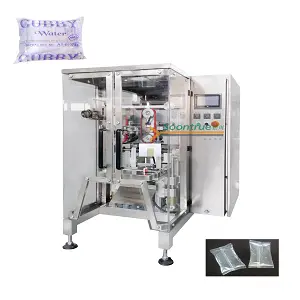
Choosing the right equipment is a pivotal decision for any small dairy. The ideal machine balances production needs, budget constraints, and future growth potential. Our 2025 list features a range of top-tier options designed to meet the diverse demands of modern dairy operations.
1. DeLaval VMS V300 Series (Best Overall)
The DeLaval VMS V300 series earns its top spot by offering an unparalleled combination of automation and scalability. This system is more than just a packaging unit; it is an integrated solution that grows with your business. Its advanced robotics handle tasks with precision, reducing labor costs and minimizing human error.
The VMS V300's modular design allows dairies to start with a single unit and add more as production volume increases. This scalability makes it a smart long-term investment.
Key features that make the VMS V300 series stand out include:
·High-Precision Filling: Ensures accurate milk volumes in every package, reducing product waste.
·Automated Sealing and Capping: Delivers consistent, secure seals for cartons and bottles, extending shelf life.
·Integrated Vision System: The DeLaval InSight™ technology provides superior attachment accuracy for teat preparation and milking, which translates to cleaner, higher-quality milk for packaging.
This system is an excellent choice for dairies aiming for premium quality and operational efficiency.
2. Landpack LP-420Y (Best Budget Pouch Filler)
For startups and small dairies focused on pouch packaging, the Landpack LP-420Y is the undisputed budget champion. This vertical form-fill-seal (VFFS) machine provides a low-cost entry into automated packaging without sacrificing essential functionality. Its straightforward design makes it easy to operate and maintain, a crucial benefit for teams with limited technical expertise.
The LP-420Y is a versatile milk packing machine capable of handling various film types and pouch sizes. This flexibility allows a new dairy to test different product volumes and market strategies affordably.
| Feature | Benefit |
|---|---|
| Low Initial Cost | Reduces the financial barrier for new businesses. |
| Simple Operation | Minimizes training time and speeds up production. |
| Pouch Versatility | Supports pillow bags, gusseted bags, and more. |
| Compact Footprint | Fits easily into small production spaces. |
Note: While it lacks the advanced automation of premium models, the LP-420Y delivers a fantastic return on investment for dairies prioritizing pouch sales and cost control.
Post time: Oct-31-2025