
What is a Vertical Packaging Machine?
Structure and Design
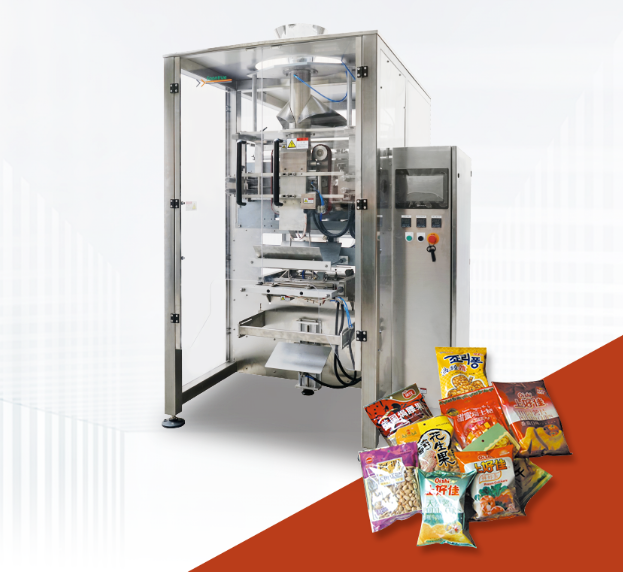
A vertical packaging machine features a compact and upright frame. Manufacturers design these machines to fit into production lines with limited space. The main components include a film roll holder, forming tube, filling system, and sealing jaws. The film roll holder keeps the packaging material in place. The forming tube shapes the material into a bag. The filling system dispenses the product into the formed bag. The sealing jaws close and secure the package.
Tip: Operators can adjust the forming tube and filling system to match different bag sizes and product types.
Many vertical packaging machines use stainless steel for their frames. This material resists corrosion and supports hygiene standards. The control panel sits on the front or side of the machine. Operators use this panel to set parameters and monitor performance. Some models include safety guards and sensors to prevent accidents.
| Component | Function |
|---|---|
| Film Roll Holder | Holds packaging material |
| Forming Tube | Shapes material into a bag |
| Filling System | Dispenses product |
| Sealing Jaws | Seals the package |
| Control Panel | Sets and monitors parameters |
Operation Process
The operation process of a vertical packaging machine follows a clear sequence. The machine pulls packaging film from the roll. The forming tube shapes the film into a vertical bag. The filling system releases the product into the bag. The sealing jaws close the top and bottom of the bag.
Operators start the machine by loading the film and setting the controls. The machine then runs automatically. Sensors detect the position of the film and the amount of product. If the machine senses an error, it stops and alerts the operator.
·Step-by-step operation:
1.Load the film roll onto the holder.
2.Set the bag size and product amount on the control panel.
3.Start the machine.
4.The film moves through the forming tube.
5.The filling system dispenses the product.
7.The sealing jaws close the bag.
8.The finished package exits the machine.
A vertical packaging machine can handle many types of products, such as snacks, grains, and powders. The automated process reduces human contact and helps maintain product freshness.
Key Features of Vertical Packaging Machines
Vertical Bag Forming
Manufacturers design vertical packaging machines to create bags in an upright position. The forming tube shapes the packaging film into a cylinder. The machine then seals one edge to produce a tube. This process allows the equipment to handle different bag sizes and styles. Operators can switch between pillow bags, gusseted bags, and even stand-up pouches. The flexibility supports various product requirements.
Note: Bag forming technology reduces material waste and improves consistency in package appearance.
A vertical bag forming system works quickly. The machine pulls the film, forms the bag, and prepares it for filling. This speed helps companies meet high production demands. The vertical orientation also saves floor space in busy facilities.
Automated Filling Systems
Automated filling systems deliver precise amounts of product into each bag. The vertical packaging machine uses sensors and controls to measure the correct quantity. These systems handle solids, powders, and liquids with accuracy. For example, a snack manufacturer uses a multi-head weigher to portion chips. A coffee producer relies on an auger filler for ground coffee.
| Filling System Type | Suitable Products | Accuracy Level |
|---|---|---|
| Multi-head Weigher | Snacks, grains | High |
| Auger Filler | Powders, coffee | Medium-High |
| Liquid Pump | Sauces, beverages | High |
Automated filling reduces human error. The machine dispenses the product at the right time and amount. This feature supports hygiene and keeps the packaging process efficient.
Sealing Mechanisms
Sealing mechanisms play a critical role in maintaining package integrity. The vertical packaging machine uses heat or pressure to close the bag. Manufacturers select the sealing method based on the packaging material. For plastic films, heat sealing creates a strong bond. For paper or foil, pressure sealing may work better.
Operators adjust sealing temperature and pressure to match product needs. Sensors monitor the seal quality and alert staff if problems occur. Reliable sealing prevents leaks and protects freshness.
Tip: Regular inspection of sealing jaws ensures consistent seal quality and reduces downtime.
Sealing mechanisms also support tamper-evident packaging. This feature builds consumer trust and meets safety standards.
Speed and Efficiency
A vertical packaging machine delivers impressive speed in modern production environments. Manufacturers design these machines to process hundreds of packages per hour. High-speed motors and automated controls allow operators to set precise cycle times. The machine forms, fills, and seals each bag in a continuous motion. This process reduces bottlenecks and keeps production lines moving.
Many companies choose vertical packaging machines to meet tight deadlines. They rely on the equipment to handle large orders without sacrificing quality. The machine’s sensors and automated adjustments help maintain consistent output. Operators can monitor performance through digital displays and make quick changes when needed.
Note: Fast packaging reduces labor costs and increases daily output. Companies can respond quickly to market demands and seasonal spikes.
A typical production line benefits from the following efficiency features:
·Quick changeover between products or bag sizes
·Minimal downtime due to automated error detection
·Reduced waste from precise material handling
These features help businesses stay competitive in fast-paced industries.
Freshness Preservation
Product freshness remains a top priority for food and non-food manufacturers. A vertical packaging machine supports this goal by minimizing product exposure to air and contaminants. The machine seals each bag immediately after filling. This step locks in flavor, aroma, and texture for products like snacks, coffee, and produce.
Sealing technology plays a key role in freshness preservation. Heat sealing creates airtight barriers that prevent moisture and oxygen from entering the package. Some machines offer gas flushing systems. These systems replace air inside the bag with inert gases, which extend shelf life for sensitive products.
| Preservation Method | Benefit |
|---|---|
| Airtight Sealing | Blocks moisture and oxygen |
| Gas Flushing | Slows spoilage and staling |
| Minimal Handling | Reduces contamination risk |
Manufacturers trust vertical packaging machines to deliver consistent results. They know that every package will meet strict quality standards. This reliability builds consumer confidence and protects brand reputation.
Versatility and Adaptability
A vertical packaging machine adapts to a wide range of products and packaging styles. Operators can switch between different bag types, such as pillow bags, gusseted bags, or stand-up pouches. The machine handles solids, powders, and liquids with equal efficiency. Adjustable settings allow for quick changes in bag size or fill weight.
Tip: Versatile machines help companies expand their product lines without investing in new equipment.
Adaptability also means compatibility with various packaging materials. The machine works with plastic films, laminates, paper, and foil. This flexibility supports both food and non-food applications. Companies can respond to changing market trends and customer preferences with ease.
A vertical packaging machine often includes modular components. Operators can add or remove features like printers, labelers, or special sealing jaws. This modularity ensures the equipment grows with business needs.
Benefits of Vertical Packaging Machines for Fast, Fresh Packaging
Quick and Hygienic Packaging
A vertical packaging machine delivers rapid packaging while upholding strict hygiene standards. Operators load the machine with packaging film and product, then monitor the automated process. The equipment forms, fills, and seals each bag without direct human contact. This design reduces the risk of contamination and supports food safety regulations. Many facilities choose these machines to meet high-volume demands. The automated workflow also limits exposure to dust and airborne particles.
Tip: Regular cleaning and maintenance of contact surfaces help maintain hygiene and extend equipment life.
Maintaining Product Quality and Freshness
Manufacturers rely on vertical packaging machines to protect product quality. The machine seals each package immediately after filling, which locks in freshness and flavor. Heat sealing or gas flushing methods create airtight barriers. These barriers prevent moisture, oxygen, and contaminants from entering the package. As a result, snacks, coffee, and produce retain their original taste and texture for longer periods. Consistent sealing also reduces spoilage and waste.
| Benefit | Impact on Product |
|---|---|
| Airtight Sealing | Preserves freshness |
| Minimal Handling | Reduces contamination risk |
| Fast Processing | Limits exposure to air |
Enhancing Operational Efficiency
Production teams see significant efficiency gains with a vertical packaging machine. The equipment operates at high speeds, processing hundreds of packages per hour. Automated controls and sensors detect errors and adjust settings in real time. This reduces downtime and keeps production lines moving. Quick changeovers between products or bag sizes allow companies to respond to market changes. Operators can monitor performance through digital displays and make adjustments as needed.
·Key efficiency advantages:
·High-speed packaging cycles
·Automated error detection
·Easy product and size changeover
These benefits help businesses meet tight deadlines and deliver fresh products to customers quickly.
Practical Considerations for Using a Vertical Packaging Machine
Machine Size and Space Requirements
Selecting the right vertical packaging machine starts with evaluating available floor space. These machines come in various sizes, from compact models for small businesses to large, industrial units for high-volume production. Facility managers should measure the installation area and check for clearances around the machine. Adequate space allows operators to load film rolls, access the control panel, and perform routine maintenance.
Tip: Always leave extra room for material storage and operator movement. Crowded workspaces can slow down production and increase safety risks.
A simple checklist for space planning:
·Measure the machine’s footprint.
·Check ceiling height for tall models.
·Plan for power and air supply access.
·Ensure easy access for cleaning and repairs.
Product Compatibility
Not every vertical packaging machine suits all products. Companies must match the machine’s capabilities with their product’s characteristics. For example, free-flowing powders, sticky snacks, and fragile produce each require specific filling and sealing systems. Some machines handle only dry goods, while others can package liquids or semi-liquids.
| Product Type | Recommended Filling System |
|---|---|
| Powders | Auger Filler |
| Granules/Chips | Multi-head Weigher |
| Liquids | Liquid Pump |
Operators should test the machine with actual products before full-scale production. This step helps identify any flow or sealing issues early.
Maintenance and Reliability
Routine maintenance keeps a vertical packaging machine running smoothly. Operators should follow the manufacturer’s maintenance schedule, which often includes cleaning, lubrication, and inspection of moving parts. Reliable machines reduce downtime and prevent costly repairs.
Note: Regularly check sealing jaws and sensors for wear. Replace worn parts promptly to maintain package quality.
A well-maintained machine ensures consistent performance and extends equipment life. Investing in operator training also improves reliability and safety.
User-Friendliness and Controls
Modern vertical packaging machines feature intuitive controls that simplify operation for users at all skill levels. Manufacturers design these interfaces to reduce training time and minimize errors. Operators interact with touchscreens or digital panels that display clear icons and step-by-step instructions. These panels often use color-coded alerts to signal machine status or highlight issues that need attention.
Tip: Touchscreen controls allow operators to adjust settings quickly without stopping production.
Many machines offer multi-language support. This feature helps facilities with diverse workforces. Operators can select their preferred language, which reduces confusion and improves safety. Some control panels include visual guides or animated tutorials. These resources walk users through setup, changeovers, and troubleshooting.
Key user-friendly features include:
·Preset Programs: Operators can save and recall common packaging recipes. This function speeds up product changeovers.
·Error Detection: The system displays real-time alerts for jams, low film, or sealing issues. Operators can respond immediately to prevent downtime.
·Simple Navigation: Menus use logical layouts. Users find settings for bag size, fill weight, and sealing temperature with minimal searching.
·Remote Monitoring: Some advanced models connect to mobile devices or computers. Supervisors track performance and receive notifications from anywhere in the facility.
A well-designed control system increases productivity. Operators spend less time learning the machine and more time producing quality packages. User-friendly controls also reduce the risk of mistakes, which protects product quality and equipment longevity.
Note: Regular software updates from manufacturers can add new features and improve usability over time.
User-friendliness remains a top priority for packaging equipment designers. Companies that invest in machines with intuitive controls see faster onboarding, fewer errors, and smoother daily operations.
A vertical packaging machine streamlines packaging by forming, filling, and sealing products quickly. Key features include automated filling, reliable sealing, and adaptability for different products. These machines help companies deliver fresh, high-quality goods at a rapid pace. Many businesses improve efficiency and product safety by choosing this technology.
Companies seeking reliable and fast packaging solutions should explore the benefits of vertical packaging machines.
FAQ
What products can a vertical packaging machine handle?
A vertical packaging machine works with snacks, powders, grains, coffee, produce, and even liquids. Operators select the right filling system for each product. The machine adapts to many shapes and sizes, making it suitable for both food and non-food items.
How does a vertical packaging machine keep products fresh?
The machine seals each package immediately after filling. This process blocks air, moisture, and contaminants. Some models use gas flushing to extend shelf life. Reliable sealing technology helps maintain product quality and freshness.
How often should operators perform maintenance?
Operators should follow the manufacturer’s maintenance schedule. Most machines need daily cleaning and weekly inspections. Regular checks on sealing jaws, sensors, and moving parts help prevent breakdowns and ensure consistent performance.
Can one machine package different bag sizes?
Yes, most vertical packaging machines allow quick adjustments for different bag sizes. Operators change settings on the control panel or swap out forming tubes. This flexibility supports a variety of products and packaging needs.
Is operator training required for these machines?
Operator training is essential. Training covers machine setup, control panel use, troubleshooting, and safety procedures. Well-trained staff help maximize efficiency and reduce the risk of errors or accidents.
Post time: Oct-11-2025