
Horizontal Packing Machine Type and Complexity
Entry-Level vs. Advanced Models
Horizontal packing machines come in a range of models, each designed for specific production needs. Entry-level models offer basic functionality and suit small businesses or startups. These machines often feature simple controls and manual adjustments. Operators can quickly learn to use them, which reduces training time. Entry-level machines usually handle lower production volumes and require more hands-on attention.
Advanced models provide greater efficiency and automation. They include features such as touch-screen interfaces, programmable settings, and automatic film alignment. These machines can process higher volumes and maintain consistent packaging quality. Advanced models often support integration with other equipment, which streamlines the entire production process.
Tip: Companies should assess their current and future production needs before choosing between entry-level and advanced models. Investing in the right model can improve productivity and reduce long-term costs.
Specialized Applications
Some industries require horizontal packing machines with specialized features. For example, food manufacturers may need machines with modified atmosphere packaging (MAP) to extend product shelf life. Pharmaceutical companies often demand machines with precise dosing and strict hygiene standards. These specialized machines include custom engineering and advanced safety systems.
Manufacturers can also request machines tailored for unique product shapes or packaging materials. Customization increases the machine’s complexity and cost, but it ensures optimal performance for specific applications. Specialized machines often require additional operator training and ongoing technical support.
| Application Area | Common Special Features |
|---|---|
| Food | MAP, washdown construction |
| Pharmaceuticals | Precise dosing, cleanroom use |
| Consumer Goods | Custom shapes, multi-pack |
Selecting the right horizontal packing machine type and complexity ensures efficient, reliable, and cost-effective packaging operations.
Automation Level in Horizontal Packing Machines
Manual, Semi-Automatic, and Fully Automatic Options
Manufacturers offer horizontal packing machines with different automation levels. Manual machines require operators to control most functions. These models suit small-scale operations or businesses with limited budgets. Operators load products, adjust settings, and monitor packaging quality. Manual machines cost less but demand more labor.
Semi-automatic machines combine manual tasks with automated features. Operators may load products, but the machine handles sealing, cutting, or labeling. This setup increases efficiency and reduces errors. Semi-automatic models fit medium-sized businesses that want to balance cost and productivity.
Fully automatic horizontal packing machines perform all tasks with minimal human intervention. These machines feed, pack, seal, and discharge products automatically. Advanced sensors and programmable logic controllers (PLCs) ensure consistent results. Fully automatic models deliver high output and reduce labor costs. However, they require a higher initial investment and skilled technicians for maintenance.
Note: Choosing the right automation level depends on production volume, labor availability, and budget.
Integration with Production Lines
Horizontal packing machines often integrate with other equipment in a production line. Integration allows seamless product flow from upstream processes, such as filling or sorting, to downstream packaging. Automated conveyors, feeders, and inspection systems connect with the packing machine. This setup reduces manual handling and increases throughput.
Manufacturers design machines with communication protocols that support integration. For example, a horizontal packing machine may link with a weighing system to ensure accurate product counts. Integration improves efficiency and traceability in modern factories.
| Automation Level | Labor Requirement | Output Capacity | Typical User |
|---|---|---|---|
| Manual | High | Low | Small businesses |
| Semi-Automatic | Medium | Medium | Growing companies |
| Fully Automatic | Low | High | Large manufacturers |
Production Capacity of Horizontal Packing Machines
Speed and Throughput
Production capacity plays a major role in determining the value of a horizontal packing machine. Speed refers to the number of packages the machine can process per minute. Throughput measures the total output over a set period. Manufacturers often list both figures in their technical specifications. High-speed machines can handle hundreds of packages each minute. These models suit large-scale operations that require fast turnaround times.
Operators should consider the type of product and packaging material. Some products need slower speeds to prevent damage. Delicate items or irregular shapes may require careful handling. In these cases, a lower speed ensures consistent quality. Companies that process uniform products can benefit from higher speeds and greater throughput.
Tip: Always match machine speed to product requirements. Overestimating speed can lead to waste and increased maintenance.
Scalability Options
Scalability allows businesses to adjust production as demand changes. Many horizontal packing machines offer modular designs. Operators can add or remove components to increase or decrease capacity. This flexibility helps companies avoid costly equipment replacements.
Some manufacturers provide upgrade kits. These kits include additional feeders, sealing units, or control systems. Businesses can install these upgrades as production needs grow. A scalable machine supports long-term growth and reduces downtime.
| Scalability Feature | Benefit |
|---|---|
| Modular design | Easy capacity adjustments |
| Upgrade kits | Cost-effective expansion |
| Flexible controls | Quick changeovers |
A company that invests in scalable equipment can respond quickly to market changes. This approach supports efficient production planning and cost control.
Customization and Features for Horizontal Packing Machines
Custom Engineering and Design
Manufacturers often provide custom engineering to meet unique production requirements. They design each horizontal packing machine to fit the product’s size, shape, and packaging material. Engineers may adjust the sealing system, feeding mechanism, or control panel layout. These changes help companies achieve precise packaging results and maintain high efficiency.
Custom design also supports compliance with industry standards. Food processors may request machines with sanitary finishes and easy-to-clean surfaces. Pharmaceutical firms often need advanced safety features and strict dosing controls. Customization ensures that the machine matches the company’s workflow and regulatory needs.
Tip: Companies should communicate their specific requirements early in the purchasing process. Clear specifications help manufacturers deliver the best solution.
| Custom Feature | Benefit |
|---|---|
| Tailored feeding system | Handles unique product shapes |
| Specialized sealing | Improves package integrity |
| Custom controls | Simplifies operation |
Optional Add-Ons and Upgrades
Horizontal packing machines offer a variety of optional add-ons and upgrades. These features enhance performance and extend the machine’s capabilities. Common add-ons include automatic labeling systems, date coders, and vision inspection units. These components help companies improve product traceability and quality control.
Upgrades may include advanced sensors, remote monitoring, or energy-efficient motors. Some manufacturers provide modular kits that allow easy installation of new features. Companies can select upgrades based on production goals and budget.
Popular optional features:
-
- Automatic film splicing
- Multi-lane feeding
- Integrated weighing systems
- Remote diagnostics
Selecting the right add-ons and upgrades increases the value of a horizontal packing machine. Companies benefit from improved flexibility and future-proofing.
Construction Materials Used in Horizontal Packing Machines
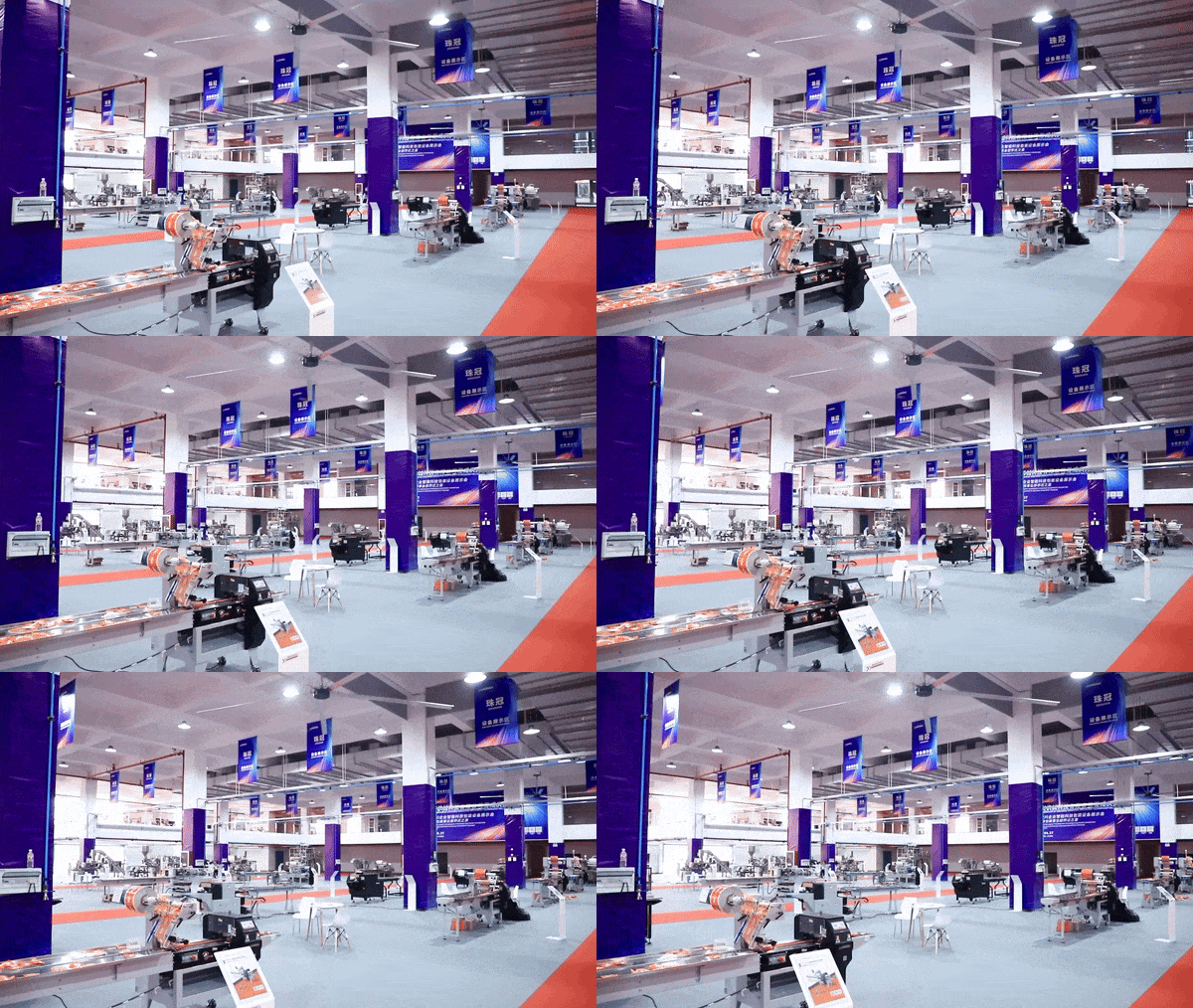
Stainless Steel vs. Standard Materials
Manufacturers select construction materials based on the intended use of the horizontal packing machine. Stainless steel stands out as the preferred choice for many industries. This material resists corrosion and supports easy cleaning. Food and pharmaceutical companies often require stainless steel because it meets strict hygiene standards. Stainless steel also withstands harsh cleaning agents and frequent washdowns.
Standard materials, such as painted steel or aluminum, appear in machines for less demanding environments. These materials cost less and suit applications where hygiene is not the top priority. Standard materials may show wear or corrosion over time, especially in wet or chemical-rich settings. Companies that package dry goods or non-food items often choose these options to save on initial investment.
| Material Type | Key Benefits | Typical Applications |
|---|---|---|
| Stainless Steel | Corrosion resistance, hygiene | Food, pharma, cosmetics |
| Standard Materials | Lower cost, lighter weight | Dry goods, non-food items |
Note: The choice of material affects both the machine’s price and its long-term performance.
Durability and Hygiene Requirements
Durability plays a critical role in the selection of construction materials. A horizontal packing machine must operate reliably under continuous use. Stainless steel frames and components resist dents, scratches, and chemical damage. This durability extends the machine’s service life and reduces maintenance costs.
Hygiene requirements drive material choices in regulated industries. Smooth surfaces and minimal crevices prevent bacteria buildup. Many machines feature rounded edges and sealed joints to support easy cleaning. Operators can sanitize these machines quickly, which helps maintain product safety.
Some companies require machines that meet specific certifications, such as FDA or GMP standards. Manufacturers design machines with these regulations in mind. They use approved materials and construction methods to ensure compliance.
- Key hygiene features:
- ·Smooth, non-porous surfaces
- ·Easy-access panels for cleaning
- ·Sealed electrical components
Selecting the right materials ensures the horizontal packing machine meets both operational and regulatory demands.
Brand Reputation and Manufacturer of Horizontal Packing Machines
Established Brands vs. New Entrants
Brand reputation plays a significant role in the cost and perceived value of a horizontal packing machine. Established brands have built trust through years of consistent performance and reliable service. Many buyers choose these brands because they offer proven technology, comprehensive documentation, and a track record of customer satisfaction. These companies often invest in research and development, which leads to innovative features and improved machine reliability.
New entrants in the market may offer lower prices to attract customers. They sometimes introduce fresh ideas or unique features. However, these companies might lack a history of long-term performance or established service networks. Buyers should weigh the potential risks and benefits when considering a new brand. A well-known brand can provide peace of mind, while a new entrant may offer cost savings or specialized solutions.
Tip: Buyers should request references or case studies from both established brands and new entrants before making a decision.
| Brand Type | Advantages | Considerations |
|---|---|---|
| Established Brands | Proven reliability, strong support | Higher initial investment |
| New Entrants | Innovative features, lower cost | Limited track record, support |
Geographic Origin and Support Network
The geographic origin of a manufacturer can influence the cost, lead time, and support for a horizontal packing machine. Manufacturers based in regions with advanced manufacturing infrastructure often deliver higher quality and faster shipping. Local manufacturers may offer quicker response times for service and spare parts. This proximity can reduce downtime and improve overall efficiency.
International brands sometimes provide broader product ranges and advanced technology. However, buyers may face longer lead times or higher shipping costs. Support networks also vary by region. A strong local support network ensures timely maintenance, training, and troubleshooting. Buyers should evaluate the availability of technical support and spare parts in their area.
Note: A reliable support network can extend the lifespan of a horizontal packing machine and reduce total cost of ownership.
After-Sales Support and Warranty for Horizontal Packing Machines
Service Agreements
Service agreements play a vital role in the long-term performance of any horizontal packing machine. Manufacturers often offer different levels of service contracts. These agreements may include routine maintenance, emergency repairs, and technical support. Companies that invest in a comprehensive service plan can reduce unexpected downtime and extend the machine’s lifespan.
A typical service agreement covers:
·Scheduled inspections and preventive maintenance
·Priority access to technical support
·On-site repairs by certified technicians
·Software updates and system checks
A strong service agreement helps companies maintain consistent production. It also ensures that operators receive proper training and guidance. Many manufacturers provide remote support options, which allow technicians to diagnose issues quickly. This approach saves time and reduces the need for on-site visits.
Tip: Companies should review the terms of each service agreement. They should choose a plan that matches their production needs and budget.
Spare Parts Availability
Spare parts availability directly affects the reliability of a horizontal packing machine. Leading manufacturers maintain a large inventory of genuine parts. Quick access to spare parts reduces machine downtime and keeps production on schedule.
Key factors to consider include:
| Factor | Why It Matters |
|---|---|
| Local parts inventory | Faster delivery, less waiting |
| Genuine components | Better fit, longer lifespan |
| Clear documentation | Easier identification |
Companies should ask about spare parts lead times before purchasing a machine. They should also check if the manufacturer offers kits for common repairs. Some suppliers provide online catalogs, making it easier to order the right parts.
A reliable spare parts supply ensures smooth operation and protects the investment in packaging equipment.
Horizontal Packing Machine Price Ranges
Entry-Level Machines
Entry-level machines offer basic packaging functions at an affordable price. Small businesses and startups often choose these models. Operators find them easy to use and maintain. Most entry-level machines handle simple products and low production volumes. Prices for these machines usually range from $8,000 to $25,000.
| Feature | Description |
|---|---|
| Automation Level | Manual or semi-automatic |
| Production Capacity | Low to moderate |
| Customization Options | Limited |
| Typical Users | Small manufacturers |
Tip: Entry-level machines provide a cost-effective solution for companies with limited budgets or small-scale operations.
Mid-Range Machines
Mid-range machines balance performance and cost. Medium-sized companies often select these models for increased speed and reliability. These machines support higher production volumes and offer more automation features. Prices typically fall between $25,000 and $60,000.
·Key advantages:
·Enhanced automation
·Greater throughput
·More customization options
Operators benefit from improved efficiency and reduced labor costs. Mid-range machines suit businesses that expect growth or need to meet stricter packaging standards.
High-End and Custom Solutions
High-end machines deliver advanced technology and maximum flexibility. Large manufacturers and specialized industries invest in these models. These machines feature full automation, integration with production lines, and custom engineering. Prices for high-end or custom horizontal packing machine solutions often exceed $60,000 and can reach $200,000 or more.
| Feature | Description |
|---|---|
| Automation Level | Fully automatic |
| Production Capacity | High |
| Customization Options | Extensive |
| Typical Users | Large-scale manufacturers |
Note: High-end machines offer superior performance and long-term value for demanding applications.
A horizontal packing machine’s price reflects several important factors. Buyers evaluate machine specifications, automation level, production capacity, customization, construction materials, brand reputation, and after-sales support.
Matching business requirements to these elements helps companies achieve the best value and long-term performance.
Careful consideration of each factor ensures the chosen horizontal packing machine supports efficient and reliable operations.
FAQ
What maintenance does a horizontal packing machine require?
Operators should perform regular cleaning, lubrication, and inspection of moving parts. They must check for worn components and replace them as needed. Routine maintenance helps prevent breakdowns and extends machine life.
How long does installation usually take?
Most installations take one to three days. The timeline depends on machine complexity and site readiness. Experienced technicians can complete setup faster when the workspace is prepared in advance.
Can one machine handle different product sizes?
Many horizontal packing machines offer adjustable settings or modular parts. Operators can switch between product sizes with minimal downtime. Some models require changeover kits for specific adjustments.
What training do operators need?
Operators need training on machine controls, safety procedures, and basic troubleshooting. Manufacturers often provide on-site or online training sessions. Well-trained staff ensure safe and efficient operation.
How can buyers reduce total cost of ownership?
Buyers can invest in quality machines, choose reliable brands, and secure strong service agreements. Regular maintenance and quick access to spare parts also help control long-term costs.
Post time: Sep-18-2025