
Understanding Liquid Pouch Filling Machine Options
What Is a Liquid Pouch Filling Machine?
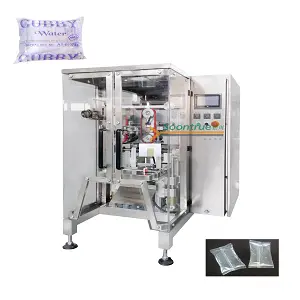
A liquid pouch filling machine automates the process of dispensing liquids into flexible pouches. This equipment handles a range of products, including water, juices, sauces, oils, and cleaning solutions. Operators load empty pouches into the machine. The system then fills each pouch with a precise amount of liquid. Many machines also seal the pouch, ensuring product safety and freshness.
Manufacturers design these machines to accommodate different pouch sizes and shapes. Some models work best for low-viscosity liquids, while others handle thicker substances. Advanced machines offer features such as automatic pouch feeding, adjustable filling volumes, and integrated sealing systems. Companies can select machines that match their specific production needs.
Key Benefits for Your Business
Investing in a liquid pouch filling machine brings several advantages to a business. First, it increases production speed. Automated filling and sealing reduce manual labor and minimize human error. Second, the machine improves filling accuracy. Consistent portion control helps maintain product quality and reduces waste.
Reliable machines support food safety and hygiene standards, which are critical in regulated industries.
A liquid pouch filling machine also offers flexibility. Operators can switch between different products or pouch sizes with minimal downtime. This adaptability supports businesses that produce multiple liquid products. Maintenance requirements remain manageable, especially with modern designs that simplify cleaning and part replacement.
Many companies see a strong return on investment. Reduced labor costs, higher output, and less product loss contribute to long-term savings. Choosing the right machine helps businesses scale operations and respond quickly to market demands.
Identifying Product and Packaging Requirements
Liquid Type and Viscosity
Selecting the right liquid pouch filling machine starts with understanding the liquid’s properties. Liquids vary in viscosity, ranging from thin beverages like water to thick substances such as honey or shampoo. Each viscosity level requires specific filling technology. Machines designed for low-viscosity liquids use gravity or simple pumps. High-viscosity products need piston or gear pumps for accurate dispensing.
Manufacturers often provide viscosity charts to help match products to machine capabilities. For example:
| Liquid Type | Viscosity Level | Recommended Filling System |
|---|---|---|
| Water | Low | Gravity or Peristaltic |
| Juice | Medium | Pump or Gravity |
| Yogurt | High | Piston or Gear Pump |
| Shampoo | High | Piston or Gear Pump |
Tip: Testing the liquid with sample runs ensures the machine delivers consistent results.
Pouch Style and Size
Pouch design plays a critical role in machine selection. Businesses use various pouch styles, including stand-up, flat, spout, and zipper pouches. Each style requires compatible filling and sealing mechanisms. The size of the pouch affects the filling speed and accuracy. Larger pouches may need higher-capacity machines, while smaller pouches benefit from precision filling systems.
Operators should consider the following when choosing pouch styles
·Product presentation and shelf appeal
·Storage and transportation requirements
·Consumer convenience features (spouts, zippers, handles)
A liquid pouch filling machine must accommodate the chosen pouch dimensions. Adjustable guides and filling heads allow quick changeovers between sizes, supporting flexible production.
Production Volume Targets
Production goals determine the type and scale of equipment needed. Small businesses with limited output may choose manual or semi-automatic machines. Large-scale operations require fully automatic systems to meet high demand. Estimating daily, weekly, and monthly production volumes helps identify the right machine capacity.
Consider these factors when setting volume targets:
1.Expected growth in sales
2.Seasonal fluctuations in demand
3.Expansion into new markets
Note: Investing in a machine with scalable output prepares the business for future growth.
Matching the liquid pouch filling machine to product and packaging requirements ensures efficient, reliable, and cost-effective operations.
Hygiene and Safety Needs
Maintaining high standards of hygiene and safety stands as a top priority for any business handling liquid products. Liquid pouch filling machines must support strict sanitation protocols to prevent contamination and ensure product quality. Companies in the food, beverage, pharmaceutical, and personal care industries face especially rigorous regulations.
Key Hygiene Features to Consider:
·Stainless Steel Construction: Manufacturers often use stainless steel for machine parts that contact the product. This material resists corrosion and does not harbor bacteria.
·Easy-to-Clean Design: Machines with smooth surfaces, minimal crevices, and tool-free disassembly allow operators to clean equipment quickly and thoroughly.
·CIP (Clean-in-Place) Systems: Some advanced machines include automated cleaning systems. These systems flush internal components with cleaning solutions, reducing manual labor and minimizing downtime.
·Sealed Filling Environment: Enclosed filling areas protect liquids from airborne contaminants and dust.
Tip: Regular cleaning schedules and documented sanitation procedures help maintain compliance with health regulations.
Safety Considerations:
·Automated Safety Interlocks: Machines equipped with safety interlocks prevent operation if guards or doors remain open. This feature protects operators from accidental injury.
·Leak Detection Systems: Sensors can detect leaks or spills during the filling process. Early detection helps prevent slips, falls, and product loss.
·Non-Toxic Seals and Gaskets: All seals and gaskets should use food-grade, non-toxic materials to avoid chemical contamination.
| Hygiene & Safety Feature | Why It Matters |
|---|---|
| Stainless Steel Surfaces | Prevents rust and bacterial growth |
| CIP System | Ensures thorough, consistent cleaning |
| Safety Interlocks | Protects operator health and safety |
| Leak Detection | Reduces hazards and product waste |
| Food-Grade Components | Maintains product purity |
Regulatory agencies such as the FDA and USDA set strict guidelines for equipment used in food and beverage production. Businesses must verify that their chosen liquid pouch filling machine meets all relevant standards. Documentation, such as certificates of compliance and cleaning logs, supports audits and inspections.
Operators should receive training on proper cleaning and safety procedures. Well-trained staff reduce the risk of contamination and accidents. Routine inspections and maintenance checks further support a safe, hygienic production environment.
Ensuring hygiene and safety in liquid pouch filling operations protects both consumers and the business’s reputation.
Exploring Liquid Pouch Filling Machine Types and Automation
Manual, Semi-Automatic, and Fully Automatic Machines
Manufacturers offer three main categories of liquid pouch filling machines. Each type suits different business sizes and production goals.
1.Manual Machines
Operators control every step with manual machines. These models work best for small batches or startups. Manual machines cost less and require minimal training. However, they deliver slower output and rely on operator skill for accuracy.
2.Semi-Automatic Machines
Semi-automatic machines combine manual input with automated functions. Operators load pouches and start the filling process. The machine dispenses the liquid and may seal the pouch automatically. Semi-automatic models increase speed and consistency compared to manual options. They fit businesses with moderate production needs.
3.Fully Automatic Machines
Fully automatic machines handle pouch feeding, filling, sealing, and sometimes labeling. Operators monitor the process and manage settings. These machines deliver high output and consistent quality. Large manufacturers prefer fully automatic models for their efficiency and scalability.
Tip: Companies should match machine type to their production volume and labor resources.
| Machine Type | Operator Involvement | Output Speed | Best For |
|---|---|---|---|
| Manual | High | Low | Small batches, startups |
| Semi-Automatic | Moderate | Medium | Growing businesses |
| Fully Automatic | Low | High | Large-scale production |
Specialized Machines for Different Liquids
Liquid pouch filling machines come in specialized designs to handle a wide range of products. Manufacturers engineer machines for liquids with unique properties.
·Low-Viscosity LiquidsMachines for water, juice, or cleaning solutions use gravity or peristaltic pumps. These systems fill pouches quickly and maintain accuracy.
·High-Viscosity LiquidsProducts like honey, yogurt, or shampoo require piston or gear pumps. These pumps move thick liquids without clogging or dripping.
·Sensitive or Hazardous LiquidsPharmaceuticals and chemicals need machines with enclosed filling areas and advanced safety features. These models protect operators and prevent contamination.
·Hot-Fill Applications Some products must be filled at high temperatures. Specialized machines withstand heat and maintain seal integrity.
Note: Testing the liquid with the chosen machine ensures compatibility and prevents production issues.
Integration with Existing Equipment
Businesses often need their liquid pouch filling machine to work with other packaging line equipment. Integration improves workflow and reduces manual handling.
·Conveyor Systems
·Machines connect to conveyors for smooth pouch transfer between filling, sealing, and labeling stations.
·Weighing and Inspection Devices
·Integrated scales and sensors check pouch weight and detect leaks. These features help maintain product quality.
·Labeling and Coding Machines
·Some filling machines link to labelers or printers. This setup adds product information or batch codes during packaging.
·Data Management Systems
·Advanced models send production data to software platforms. Managers track output, downtime, and maintenance needs.
Efficient integration supports faster production and reduces errors.
| Integration Option | Benefit |
|---|---|
| Conveyor System | Streamlines pouch movement |
| Weighing Device | Ensures accurate filling |
| Labeling Machine | Adds product information |
| Data Management | Tracks performance metrics |
Choosing the right level of automation and integration helps businesses optimize their packaging process and prepare for future growth.
Comparing Essential Features of Liquid Pouch Filling Machines
Filling Accuracy and Consistency
Filling accuracy stands as a top priority for any liquid pouch filling operation. Machines with high accuracy deliver the correct amount of product into each pouch. This precision reduces product giveaway and ensures customers receive the right quantity every time. Consistency in filling also supports brand reputation. When every pouch looks and feels the same, customers trust the product.
Manufacturers often use advanced sensors and control systems to maintain accuracy. Some machines feature automatic adjustments that correct small errors during production. Operators should check the machine’s accuracy specifications before making a purchase.
Tip: Regular calibration of filling equipment helps maintain accuracy and prevents costly mistakes.
Speed and Output Capacity
Production speed directly affects a company’s ability to meet demand. Liquid pouch filling machines come with different output capacities, measured in pouches per minute (PPM). Higher speeds allow businesses to fill more pouches in less time. However, speed should not compromise accuracy or product quality.
Key factors that influence speed include:
·Machine automation level
·Pouch size and type
·Liquid viscosity
| Machine Type | Typical Output (PPM) |
|---|---|
| Manual | 5–15 |
| Semi-Automatic | 20–40 |
| Fully Automatic | 60–200+ |
Operators should match machine speed to their production goals. Overestimating speed needs can lead to unnecessary costs, while underestimating can cause bottlenecks.
Flexibility for Multiple Products
Many businesses produce more than one liquid product. Flexibility in a pouch filling machine allows quick changeovers between different products or pouch sizes. Machines with adjustable filling heads, programmable settings, and modular components support this flexibility.
A flexible machine can handle:
·Various pouch shapes and sizes
·Different liquid viscosities
·Multiple filling volumes
Flexible equipment helps companies adapt to new products and changing market trends without major investments.
Choosing a machine with these essential features ensures efficient, reliable, and scalable liquid pouch filling operations.
Cleanability and Sanitation
Cleanability and sanitation stand as critical factors in liquid pouch filling machine selection. Businesses that handle food, beverages, or pharmaceuticals must meet strict hygiene standards. Machines with easy-to-clean designs help operators maintain a safe production environment.
Manufacturers often use stainless steel for contact parts. This material resists corrosion and does not trap bacteria. Smooth surfaces and rounded corners prevent residue buildup. Many machines feature tool-free disassembly, so staff can remove parts quickly for cleaning.
Tip: Machines with Clean-in-Place (CIP) systems allow automated cleaning. Operators save time and reduce the risk of human error.
Key features that support sanitation include:
·Removable filling heads and hoses
·Sealed joints and gaskets
·Minimal crevices or exposed screws
·Drainage points for liquid runoff
A clean machine protects product quality and reduces the risk of recalls. Regular cleaning schedules and staff training further support sanitation goals. Companies that invest in hygienic equipment build trust with customers and regulators.
Packaging Line Integration
Packaging line integration improves efficiency and reduces manual labor. A liquid pouch filling machine should connect smoothly with upstream and downstream equipment. This setup creates a continuous workflow from filling to sealing, labeling, and boxing.
Common integration points include:
·Conveyor systems: Move pouches between stations without interruption.
·Labeling machines: Apply product information or barcodes automatically.
·Weighing and inspection units: Check pouch weight and detect leaks or defects.
| Integration Component | Benefit |
|---|---|
| Conveyor | Faster pouch movement |
| Labeler | Accurate product info |
| Weigher/Inspector | Quality control |
Note: Integrated systems reduce errors and speed up production.
A well-integrated packaging line supports higher output and consistent quality. Businesses that plan for integration can scale operations more easily and respond to market changes with confidence.
Evaluating Reliability, Maintenance, and Support
Machine Durability and Build Quality
Manufacturers design liquid pouch filling machines to withstand demanding production environments. High-quality machines use robust materials such as stainless steel and reinforced plastics. These materials resist corrosion and physical damage. Strong welds and secure fasteners add stability to the machine frame. Companies should inspect the build quality before purchasing. They can check for smooth finishes, tight seals, and sturdy components.
A durable machine reduces downtime and extends service life. Reliable equipment supports consistent production and lowers the risk of unexpected failures. Many manufacturers offer warranties that cover defects in materials or workmanship. Businesses should review warranty terms and ask for references from other users.
| Feature | Benefit |
|---|---|
| Stainless steel frame | Resists corrosion |
| Reinforced plastics | Withstands impact |
| Quality welds | Increases stability |
| Warranty coverage | Protects investment |
Tip: Inspect machines in person or request detailed photos to verify build quality.
Maintenance Requirements
Routine maintenance keeps liquid pouch filling machines running smoothly. Operators should follow manufacturer guidelines for cleaning, lubrication, and part replacement. Simple designs with tool-free access make maintenance easier. Machines with modular components allow quick swaps of worn parts.
Businesses should create a maintenance schedule. Regular checks prevent minor issues from becoming major problems. Operators can use checklists to track cleaning, inspections, and repairs. Well-maintained machines deliver better performance and reduce costly downtime.
Key Maintenance Tasks:
·Clean filling heads and hoses daily
·Lubricate moving parts weekly
·Inspect seals and gaskets monthly
·Replace worn components as needed
Regular maintenance extends machine life and protects product quality.
Troubleshooting and Technical Support
Technical support plays a vital role in minimizing production interruptions. Manufacturers often provide troubleshooting guides and online resources. These materials help operators solve common problems quickly. Some companies offer remote assistance or on-site service visits.
Businesses should evaluate the supplier’s support reputation. Fast response times and knowledgeable technicians improve the customer experience. Reliable support reduces stress and keeps production on track.
Post time: Oct-10-2025