
A premade pouch packing machine is a strategic asset for businesses ready to scale. The flexible packaging market continues its expansion; Smithers forecasts a 3.4% compound annual growth rate through 2026. This growth highlights the value of automation. A machine like a seasoning pouch packing machine helps companies enhance their brand image and reduce long-term labor costs. The equipment provides a clear advantage for businesses with consistent product runs. However, the high initial investment makes it less suitable for small startups or companies with extremely varied packaging needs.
The Key Benefits That Justify the Cost
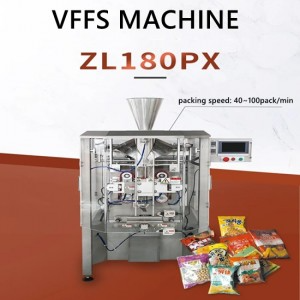
An investment in a premade pouch packing machine delivers returns far beyond simple packaging. It transforms a company's operational capabilities, financial health, and market position. Businesses that adopt this technology gain a significant competitive edge through superior efficiency, reduced operational costs, and a stronger brand presence. These core benefits provide a powerful justification for the initial capital expenditure.
Dramatically Boost Production and Efficiency
Manual or semi-automated packing processes create a natural ceiling on production output. Human operators can only work so fast and require breaks. A premade pouch packing machine shatters this limitation. It operates continuously at speeds that are impossible to sustain manually, filling and sealing hundreds of pouches per minute. This automation directly translates to a massive increase in throughput.
This enhanced efficiency allows a business to:
·Meet High-Volume Orders: Fulfill large contracts for major retailers without production delays.
·Respond to Market Demand: Quickly scale up production during seasonal peaks or promotional periods.
·Reduce Lead Times: Get products to market faster, improving cash flow and customer satisfaction.
The difference in output is stark. A machine removes the bottlenecks inherent in manual labor, ensuring a smooth, predictable, and rapid production flow from start to finish.
| Metric | Manual Packing | Automated Pouch Machine |
|---|---|---|
| Speed | 5-10 pouches/minute | 30-100+ pouches/minute |
| Operation | Limited by shifts/breaks | Capable of 24/7 operation |
| Consistency | Varies by operator/fatigue | Uniform and constant |
Reduce Long-Term Labor Costs
The high initial cost of a pouch packing machine is often a primary concern. However, this perspective overlooks the substantial long-term savings on labor. The packaging industry faces significant workforce challenges. Over half (58%) of companies report annual employee turnover rates between 10% and 29%, with another 26% facing turnover greater than 30%. This constant cycle of hiring and training is a major operational expense.
Automation directly addresses this issue. A single machine can perform the work of multiple employees, reducing the need for manual line workers. This does not necessarily mean eliminating jobs. Instead, it allows for a strategic reallocation of human capital.
Automation Elevates the Workforce
Thoughtful implementation of automation improves the work environment and boosts retention.·It reduces repetitive tasks. Machines handle the physically demanding and monotonous work, allowing experienced employees to work longer and more safely.
·It improves job satisfaction. Roles shift from manual labor to more engaging oversight tasks like quality control, line monitoring, and machine troubleshooting.
·It enables upskilling. Automation creates clear pathways for career growth, transforming line workers into skilled technicians and data analysts.
Investing in training for these new automated systems further strengthens employee retention. Research shows that employees are significantly less likely to leave if they feel their company provides skills for the future. Automation turns a labor cost center into an investment in a more skilled and stable workforce.
Enhance Product Quality and Brand Image
In a crowded marketplace, a product’s packaging is its first introduction to the consumer. It acts as a "salesman on the shelf," influencing purchase decisions before a customer even knows what is inside. A premade pouch packing machine ensures every single package meets a high standard of quality, directly enhancing brand perception.
Automated systems provide dramatically higher sealing consistency and more accurate fills. This precision is critical. A specialized machine, such as a seasoning pouch packing machine, guarantees that each pouch contains the exact weight of product, eliminating costly overfills and preventing customer complaints from underfills. Strong, uniform seals protect product integrity, extend shelf life, and prevent leaks that can damage a brand's reputation.
Beyond functional quality, the visual appeal of the packaging shapes consumer perception. Professional packaging communicates value and builds trust.
·Brand Value: Packaging delivers both functional value (protection, quality) and emotional value (positive feelings). A flawed package can create negative emotions and harm business value.
·Brand Identity: The package is a key part of a brand's identity. It visually represents the brand's name, colors, and symbols to create a distinct market presence.
·Brand Promise: The package design conveys the manufacturer's promise of quality. A crisp, perfectly sealed pouch reinforces this promise, while a sloppy one undermines it.
Studies show that even subtle design cues, like using angular packaging or lower-saturation colors, can make a product seem more expensive and of higher quality. Consistency between a package's shape and its color scheme leads to a stronger, more positive consumer response. An automated machine produces this level of consistency every time, ensuring the brand's message is delivered flawlessly on every single unit.
Improve Workplace Safety and Management
A company's most valuable asset is its people. Manual packaging environments, however, often expose employees to significant physical risks. The repetitive and physically demanding nature of these tasks is a direct cause of frequent workplace injuries. Overexertion from lifting or lowering items contributes to more than a third of all on-the-job injuries.
These incidents create a challenging environment for both employees and management. Common injuries associated with manual handling include:
·Musculoskeletal disorders from repetitive motions.
·Strains, sprains, and other soft tissue damage.
·Back injuries, including spinal damage and slipped discs.
·Cuts and lacerations from tools or packaging materials.
·Hand, foot, and shoulder injuries.
Automating the packaging process with a premade pouch machine directly mitigates these dangers. The equipment takes over the most strenuous and repetitive tasks, creating a safer workplace. Automated systems eliminate the need for employees to manually lift heavy items or perform thousands of identical motions per shift. This automation prevents common repetitive trauma injuries like back pain and carpal tunnel syndrome. Machines do not get injured or develop chronic pain, which reduces a company's workers' compensation costs and ensures employees perform safer, more engaging work.
A Shift in Management Focus
Automation transforms operational management. Instead of reacting to safety incidents, scheduling around employee absences, and constantly recruiting to cover turnover, managers can focus on proactive goals. Their time shifts to optimizing production schedules, analyzing performance data, and developing strategies for growth.
This improvement in safety has a ripple effect on management. A safer work environment leads to higher employee morale and lower turnover. Managers spend less time processing injury claims and managing absenteeism. They can dedicate more resources to training and upskilling their team. The predictability of an automated system also simplifies production planning, making it easier to forecast output and meet deadlines without overburdening the workforce. Ultimately, a safer facility is a more efficient and manageable one.
The Drawbacks and When to Reconsider
While a premade pouch packing machine offers compelling advantages, it is not a universal solution. The significant capital outlay, operational rigidity, and specialized labor requirements demand careful consideration. For some businesses, these drawbacks can outweigh the benefits, making it a premature or unsuitable investment. A thorough evaluation of these challenges is critical before making a final decision.
The High Initial Investment
The most immediate and significant barrier to adopting a premade pouch packing machine is its substantial upfront cost. This is not a minor equipment purchase; it is a major capital expenditure that requires careful financial planning. The price spectrum is wide, depending on the level of automation and production speed a business requires.
| Machine Type | Price Range |
|---|---|
| Entry-level (Semi-Automatic Pouch Sealers) | $5,000 - $15,000 |
| High-speed (Fully Automatic Rotary Pouch Machines) | $30,000 - $70,000+ |
The sticker price, however, only tells part of the story. Businesses must also budget for numerous "hidden" costs that can significantly increase the total investment. Inefficient workflows and inadequate training alone can lead to expenses exceeding 10% of direct labor costs due to errors and increased supervision.
Beyond the Purchase Price
The total cost of ownership includes several necessary expenses that are often excluded from the initial quote. A comprehensive budget should account for:·Installation and Commissioning: Technicians must assemble, calibrate, and test the equipment on-site. These fees often include travel and specialized tools.
·Shipping and Freight: The cost to transport a large, heavy piece of industrial machinery to your facility.
·Operator Training: Staff must learn to use the new machine safely and efficiently. This involves time and direct training costs, whether on-site or remote.
·Spare Parts Inventory: Stocking essential high-wear parts is crucial to minimize downtime during unexpected breakdowns.
·Preventative Maintenance: A budget for regular service from certified technicians ensures the machine's longevity and performance.
·Utility Upgrades: The machine may require specific power, compressed air, or other infrastructure upgrades to your facility.
Failing to account for these additional expenditures can strain a company's finances and delay the machine's successful implementation.
Limited Flexibility for Frequent Changes
Premade pouch packing machines excel at high-volume, consistent production runs. Their design prioritizes speed and uniformity over rapid adaptability. This creates a challenge for businesses with a wide variety of products, frequent seasonal offerings, or a high-mix, low-volume production model. Each time a company switches the pouch size, product type, or fill volume, the machine requires a changeover.
While modern equipment has become much more efficient, the process still halts production. A state-of-the-art rotary premade pouch machine can complete a changeover in less than 5 minutes, making short runs of 20-100 bags feasible. This is a dramatic improvement over older technology.
| Feature | Premade Pouch Machines | Form Fill Seal (FFS) Machines |
|---|---|---|
| Setup time | Faster setup | Longer setup as it involves the film unwinding and forming |
Even with this speed, the cumulative downtime can become substantial for companies that need to switch formats multiple times per shift. It is also important to note that the actual changeover time can vary based on the operator's skill level and other fluctuating conditions. For a business that thrives on agility and constant product innovation, the structured nature of an automated line can become a bottleneck rather than a benefit.
The Need for Technical Expertise
Automated machinery transforms the nature of the workforce. It replaces the need for many manual laborers with a need for a few highly skilled technicians. Operating and maintaining a premade pouch packing machine requires a specific knowledge base that goes far beyond simple on/off functions.
An effective operator or technician must have:
·Familiarity with all areas of the packing machine's operation.
·Knowledge of pouch materials and equipment maintenance protocols.
·Proficiency in filling operations and product inspection.
·The ability to set and adjust parameters like temperature, speed, and pressure.
·An understanding of how each procedure affects overall machine performance.
Furthermore, preventive maintenance is not optional; it is essential for protecting the investment. These tasks require a higher level of technical training and should only be performed by qualified personnel. Key maintenance activities include:
1.Inspecting and replacing machine filters (air, oil, water).
2.Checking belts, bearings, and gears for wear.
3.Tightening loose screws, bolts, and nuts.
4.Checking, sharpening, and replacing the cutter to ensure clean seals.
This need for expertise represents a long-term commitment to either hiring skilled technicians or investing in comprehensive training for existing staff. The cost to formally train a technician illustrates this financial commitment.

A business must be prepared to support this skilled workforce. Without it, the company risks extended downtime, inefficient operation, and costly repairs, undermining the very purpose of the automation investment.
Space and Infrastructure Requirements
A premade pouch packing machine is a significant piece of industrial equipment. Its successful integration extends beyond the purchase price into the physical layout and utility capacity of a facility. Businesses must conduct a thorough site assessment before committing to a purchase. This evaluation prevents costly delays and ensures the machine can operate at peak performance from day one.
The machine's physical footprint is the first consideration. It requires not only space for the unit itself but also adequate clearance on all sides. This surrounding area is essential for daily operation, routine maintenance, and safe operator movement.
Plan for the Entire Workflow, Not Just the Machine
Post time: Dec-18-2025