
Start with Your Product: What Are You Packaging?
The journey to the perfect packaging machine begins with a deep understanding of the product itself. Different products have vastly different properties. These properties directly dictate the type of machinery required for efficient and safe packaging. A company must first analyze its product's fundamental characteristics before exploring machine options.
Product State: Liquid, Solid, Powder, or Fragile?
A product's physical state is the primary factor in machine selection. Each state demands a specific handling approach.
·Liquids: Water, juice, and sauces require volumetric or piston fillers to ensure accurate measurement without spillage.
·Solids: Items like snack bars, produce, or frozen meals need conveyors and weighers designed to handle their specific size and shape.
·Powders: Flour, spices, and protein mixes use auger fillers. These fillers dispense fine particles precisely and minimize airborne dust.
·Fragile Items: Chips, cookies, and crackers need gentle handling systems, such as multi-head weighers, to prevent breakage during the packaging process.
Product Consistency and Viscosity
For liquids and semi-solids, consistency is a critical detail. Viscosity, or a fluid's resistance to flow, determines the appropriate filling technology. A low-viscosity liquid like milk flows easily and works well with a gravity filler. A high-viscosity product like honey or thick caramel requires a more powerful piston or pump filler to move it accurately into the package. Mismatched technology leads to inaccurate fills, slow production, and potential machine damage.
Special Handling Requirements
Some food products have unique needs that demand specialized equipment features. These requirements protect product quality and ensure consumer safety.
Note: Ignoring special handling needs can compromise product integrity and lead to costly recalls.
Consider these factors
·Temperature Control: Frozen foods or hot-fill sauces need machines that operate within specific temperature ranges.
·Abrasiveness: Sugary or salty products can corrode standard machine parts. These products require equipment built with resistant materials.
·Stickiness: Gummy candies or fresh pasta can stick to surfaces. Non-stick coatings and specialized conveyors are essential for smooth operation.
Define Your Packaging Style and Material
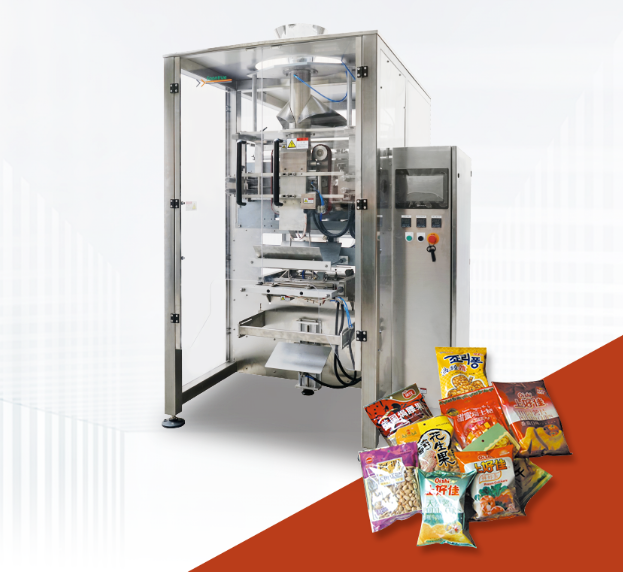
After analyzing the product, the next critical step is defining the package itself. The chosen packaging format directly influences the type of machinery needed. This choice impacts everything from production line efficiency to consumer brand perception. A company must select a style and material that protects the product and appeals to its target market.
Bags, Pouches, and Sachets
Bags and pouches offer excellent versatility for a wide range of goods. This format is popular for snacks, coffee, powders, and single-serve liquids. These packages typically use flexible film materials, which can be printed with high-quality graphics. The specific machine required, often a Form-Fill-Seal (FFS) system, depends on the desired bag style.
·Pillow Bags: Simple, cost-effective bags for items like chips and candy.
·Stand-Up Pouches (SUPs): Offer great shelf presence for products like granola or pet food.
·Gusseted Bags: Provide a more structured, brick-like shape for coffee or flour.
·Sachets: Small, flat packets ideal for single-use condiments or spice mixes.
Trays, Cups, and Containers
Rigid and semi-rigid containers are essential for products requiring more structure and protection. Ready-to-eat meals, yogurt, dips, and fresh produce often use this packaging. Materials include plastics like PET and PP, as well as aluminum. The process involves placing a pre-formed container onto a conveyor for filling and sealing. A tray sealer or a cup filling and sealing machine applies a lid or film, often creating a modified atmosphere to extend shelf life.
The integrity of the seal is paramount. A weak or incomplete seal compromises product safety and leads to spoilage, making a reliable sealing machine a non-negotiable investment.
Bottles and Jars
Bottles and jars are the classic choice for liquids, semi-solids, and pickled goods. This category includes everything from beverages and sauces to jams and olives. Packaging lines for glass or plastic bottles are often complex. They may integrate multiple machines for rinsing, filling, capping, and labeling. The filling technology must match the product's viscosity. For example, a rotary filler works well for free-flowing juices, while a piston filler is necessary for thick pasta sauces.
Individual Wraps
Individual wrapping provides a protective layer for single-item products. This packaging style is common for candy bars, granola bars, baked goods like brownies, and even non-food items like soap. The primary goal is to preserve freshness, protect the item from contamination, and offer a convenient, ready-to-sell unit. The machine most associated with this style is the flow wrapper, also known as a Horizontal Form-Fill-Seal (HFFS) machine. It wraps a continuous film around the product and seals it at both ends and along the bottom.
Selecting the correct flow wrapper requires a business to evaluate several key factors. Each factor ensures the machine operates efficiently and protects the product's quality.
·Sealing Method: The choice between heat sealing and cold sealing is critical. Heat sealing provides a strong, hermetic seal for products like baked goods. Cold sealing uses pressure-sensitive adhesives and is essential for heat-sensitive items like chocolate bars, preventing any melting or damage.
·Product Dimensions: The machine must accommodate the product's length, width, and height. Adjustable formers and cutting mechanisms provide flexibility for companies with multiple product sizes.
·Film Type: The wrapping material, often a polypropylene film, must be compatible with the machine and the sealing method. The film also carries the branding and product information, making it a key marketing component.
·Seal Integrity: A high-quality flow wrapper creates a consistent and reliable seal. This prevents air and moisture from entering the package, which is crucial for extending shelf life and ensuring product safety.
Ultimately, the right individual wrapping machine enhances product presentation while providing the necessary protection from the factory to the consumer.
Match Machine Type to Your Packaging Needs
Once a business understands its product and has chosen a packaging style, it can identify the specific machinery to execute the vision. Each machine type is engineered for a particular function, packaging material, and production environment. Aligning the machine's capabilities with the packaging requirements is essential for creating an efficient and reliable production line.
Form-Fill-Seal (VFFS & HFFS) Machines
Form-Fill-Seal (FFS) machines offer a highly efficient, all-in-one solution. These automated systems create the package, load it with the product, and seal it shut in a single, continuous operation. They start with a large roll of flat packaging film, which maximizes material efficiency and reduces storage needs. FFS technology is divided into two main categories: vertical and horizontal.
·Vertical Form-Fill-Seal (VFFS): VFFS machines are ideal for products that can be dropped by gravity. The machine pulls film from a roll, forms it into a tube, and seals the bottom to create a bag. The product is then dispensed from a filler above, and the machine seals the top of the bag while simultaneously creating the bottom seal for the next one. This process is perfect for loose items like chips, coffee beans, powders, and liquids.
·Horizontal Form-Fill-Seal (HFFS): HFFS machines, also known as flow wrappers, handle solid items that cannot be dropped. Products move horizontally along a conveyor into the machine. The film is wrapped around the product, and the machine creates a longitudinal seal on the bottom and two end seals. This method is standard for packaging candy bars, cookies, and other single-unit items.
FFS machines are a cornerstone of modern packaging. They significantly increase production speed and reduce labor costs compared to processes that use pre-made bags.
Filling and Sealing Machines
Unlike FFS machines, filling and sealing systems work with pre-formed containers. This category includes equipment designed for rigid or semi-rigid packaging like trays, cups, bottles, and jars. The operation is a two-stage process. First, a filling machine dispenses the product into the container. Second, a sealing machine applies and secures the lid or film.
The choice of filler is entirely dependent on the product's characteristics. Partnering with experienced food packing machine manufacturers helps a business select the correct technology for its specific application.
| Product Type | Recommended Filler Type | Example |
|---|---|---|
| Free-Flowing Powders | Auger Filler | Flour, Spice Mixes |
| Viscous Liquids/Pastes | Piston or Pump Filler | Honey, Tomato Paste, Yogurt |
| Thin Liquids | Gravity or Overflow Filler | Juice, Water, Milk |
| Solid Items | Multi-Head Weigher | Nuts, Frozen Vegetables |
After filling, the container moves to a sealer. For trays and cups, a tray sealer uses heat and pressure to apply a film lid. For bottles and jars, a capping machine twists or presses a cap into place.
Wrapping and Overwrapping Machines
Wrapping machines apply a flexible film around a product or a group of products. This process serves to protect the item, bundle multiple units together, or provide a tamper-evident seal. The two primary types are flow wrappers and overwrappers.
Flow wrappers (HFFS machines) create a tight, sealed primary package around a single item. They are essential for products sold individually.
Overwrapping machines apply a secondary layer of film around an already packaged item or a collection of items. Their main functions include:
·Bundling: Grouping multiple products into a single sales unit (e.g., a three-pack of soap bars).
·Protection: Adding a protective layer to a primary package, like a carton of tea, to guard against moisture and scuffs.
·Tamper Evidence: Providing a clear film wrap that, when broken, shows the package has been opened.
Common overwrapping technologies include shrink wrappers, which use heat to shrink film tightly around a product, and stretch wrappers, which are used primarily for palletizing large loads.
Vacuum Packaging Machines
Vacuum packaging machines preserve product freshness by removing air from the package before creating a final, hermetic seal. This process creates an anaerobic environment inside the package. The lack of oxygen significantly slows the growth of bacteria and mold. It effectively extends the shelf life of perishable foods like meats, cheeses, and fresh produce.
The primary benefit of vacuum packaging is product preservation. This technology offers several other key advantages for a food business.
·Prevents Freezer Burn: It protects frozen foods from the damaging effects of dehydration and oxidation.
·Enhances Food Safety: The airtight seal prevents cross-contamination and protects the product from environmental contaminants.
·Enables Sous-Vide Cooking: Vacuum-sealed bags are essential for sous-vide, a precise cooking method popular in restaurants and for ready-to-eat meal preparation.
·Improves Product Presentation: A tight vacuum pack can secure the product, preventing movement and maintaining its shape during transport.
Businesses can choose from two main types of vacuum packaging machines. The selection depends heavily on production volume and product type.
1.Chamber Vacuum Sealers: These machines require an operator to place the entire bag inside a chamber. The machine evacuates the air from the entire chamber, which equalizes the pressure inside and outside the bag. This process allows for the effective sealing of liquids and moisture-rich foods without drawing them out of the bag. Chamber sealers are the standard for commercial operations due to their speed, power, and versatility. Leading food packing machine manufacturers offer various sizes to fit different production needs.
2.External Vacuum Sealers: Also known as suction sealers, these machines draw air directly out of the mouth of the bag. The operator places the open end of the bag against a sealing bar. External sealers are generally more compact and less expensive. They are well-suited for smaller businesses or operations with lower throughput. However, they struggle with liquids, as the suction can pull the fluid into the machine.
Important Note: The success of vacuum packaging depends equally on the machine and the bag. A business must use high-quality, multi-layer vacuum bags designed to provide an effective oxygen barrier. A poor-quality bag will compromise the seal and defeat the purpose of the process.
Ultimately, vacuum packaging is a powerful method for extending shelf life and protecting product quality. Consulting with experienced food packing machine manufacturers can help a company determine whether a robust chamber machine or a simpler external sealer is the right investment for its specific products and goals.
Calculate Your Required Production Speed and Volume
A business must align its machine's output with its production demands. This calculation goes beyond current needs and involves planning for future scalability. Analyzing production speed and automation level ensures the chosen equipment is a valuable asset, not a bottleneck.
Packages Per Minute (PPM)
Packages Per Minute (PPM) is the core metric for measuring a packaging machine's speed. A company must first determine its required output. It can calculate this by dividing the total number of units needed per shift by the total operational minutes in that shift. For example, an operation that must package 30,000 units in an 8-hour (480-minute) shift requires a machine that can consistently run at 62.5 PPM. This baseline number is crucial for comparing different machine models.
Semi-Automatic vs. Fully-Automatic
The required PPM directly influences the choice between semi-automatic and fully-automatic machinery. Each level of automation serves a different operational scale.
·Semi-Automatic Machines: These systems require an operator to perform key steps, such as loading the product or positioning the package. They are ideal for lower-volume production, startups, or businesses with a wide variety of products requiring frequent changeovers. The initial investment is lower, but labor costs are higher per package.
·Fully-Automatic Machines: These machines handle the entire packaging process without operator intervention. They are essential for high-volume operations where speed and consistency are critical. While the initial purchase price is significantly higher, they reduce labor costs and maximize throughput.
Planning for Future Growth
Selecting a machine based only on current production volume is a common mistake. A forward-thinking business anticipates future demand to ensure long-term efficiency.
A machine should be an investment in growth, not just a solution for today. Purchasing equipment with a capacity 15-25% higher than current needs provides a crucial buffer for seasonal peaks and future business expansion.
This strategy prevents the costly scenario of outgrowing a machine too quickly. It allows a company to scale its operations smoothly without needing to halt production for a major equipment upgrade. A slightly oversized machine offers flexibility and secures the initial investment for years to come.
Key Operational Features to Evaluate
Beyond raw speed, a machine's daily operational characteristics determine its true value. A fast machine that produces inconsistent packages or requires hours of downtime for a simple change is not an efficient solution. A business must scrutinize the features that impact quality, flexibility, and integration into the facility. These details separate an adequate machine from a truly productive one.
Accuracy and Consistency
Accuracy and consistency are the cornerstones of a profitable and reputable packaging operation. They directly affect a company's bottom line and its relationship with consumers.
Accuracy primarily refers to the filling process. An accurate filler dispenses the precise amount of product into every package. Even minor inaccuracies accumulate into significant financial losses over time.
·Overfilling: Giving away free product with every package, a practice known as "product giveaway," directly erodes profit margins.
·Underfilling: This can lead to non-compliance with weights and measures regulations and result in customer dissatisfaction and brand damage.
Modern machines use advanced technologies like multi-head weighers, auger fillers with feedback control, and magnetic flow meters to achieve remarkable precision.
Consistency applies to the finished package. A machine must produce the same high-quality result, package after package. This includes the strength of the seal, the placement of the label, and the overall appearance of the package. Inconsistent seals can lead to spoilage, recalls, and a loss of consumer trust.
A packaging machine's primary job is to protect the product. Accuracy in filling protects profits, while consistency in sealing protects the product itself and, by extension, the brand's reputation.
Changeover Flexibility
Changeover is the process of switching a machine from running one product or package format to another. The time it takes to complete this process is a critical operational metric, especially for companies with diverse product portfolios. Lengthy and complex changeovers result in costly production downtime.
A machine with high changeover flexibility allows a team to switch between tasks quickly and efficiently. This minimizes idle time and maximizes the machine's productive output. Businesses should look for features designed to simplify this process.
| Feature | Slow Changeover (High Downtime) | Fast Changeover (Low Downtime) |
|---|---|---|
| Adjustments | Requires multiple tools; complex manual adjustments. | Tool-less adjustments using hand-wheels and levers. |
| Settings | Operator must manually re-enter all parameters. | Stored recipes on an HMI allow for one-touch recall. |
| Parts | Heavy, unmarked components that are difficult to swap. | Lightweight, color-coded, or numbered change parts. |
| Cleaning | Difficult-to-access areas that prolong cleaning time. | Quick-release belts and open-access design. |
Investing in a machine with rapid changeover capabilities provides the agility needed to respond to changing market demands without sacrificing valuable production hours.
Machine Footprint and Layout
A packaging machine must physically fit and function within a company's production facility. The "machine footprint" refers to the total floor space the equipment occupies, including necessary clearance for operation, maintenance, and material flow.
Post time: Oct-24-2025