
Unboxing the XSJ10A
.
Opening the box reveals a compact and thoughtfully designed appliance. The unboxing experience is straightforward, setting a positive tone for the user's journey into automated dumpling making.
First Impressions and Build Quality
The XSJ10A immediately impresses with its solid construction. The machine feels substantial and durable, not flimsy or plasticky. Its body is constructed from high-quality Stainless Steel and Hydro Alloy, materials chosen for their longevity and resistance to wear in a kitchen environment. This robust build suggests the gyoza machine is designed for consistent, long-term use. The moving parts operate smoothly, indicating a high level of precision in its assembly. Every component fits together perfectly, reinforcing a sense of quality and reliability from the very first touch.
What's Included in the Box
The package contains everything needed to start making perfect gyoza right away. Inside, users will find:
·The main XSJ10A unit
·A specialized mold for creating classic gyoza shapes
· A power cord and adapter
· A user manual with clear instructions
·A set of cleaning brushes and tools
The inclusion of optional molds for wontons and siomai, available separately, highlights the machine's versatility for various types of dumplings.
Size and Counter Space
One of the most significant advantages of the XSJ10A is its minimal footprint. It is engineered to deliver powerful performance without monopolizing valuable kitchen real estate. The machine is compact enough to fit comfortably on most countertops, leaving ample room for other prep work. Its vertical design is an intelligent use of space. When not in use, it can be stored easily in a standard kitchen cabinet or pantry.
Note: Before purchasing, it is wise to measure your intended counter or storage space. The machine's small size makes it a practical addition to even a small kitchen.
Putting the Gyoza Machine to the Test
Transitioning from theory to practice, the XSJ10A demonstrates its value through its straightforward operation and consistent results. The design prioritizes efficiency, allowing home cooks to produce large batches of gyoza with minimal effort. This section details the operational steps and user experience.
Step-by-Step: From Wrapper to Gyoza
The process of creating a perfect dumpling is remarkably simple. The gyoza machine streamlines the most labor-intensive part of gyoza making into a few quick actions. Users can expect a seamless workflow.
1. Position the Wrapper: The user places a single gyoza wrapper onto the designated mold area.
2.Add the Filling: They spoon a measured amount of filling into the center of the wrapper.
3.Activate the Machine: A simple press of a button or lever engages the mechanism. The machine folds, crimps, and seals the dumpling automatically.
4. Collect the Gyoza: A perfectly formed gyoza is ejected, ready for cooking or freezing. The process repeats for the next dumpling.
The Learning Curve: Is It Really That Easy?
The XSJ10A is designed for intuitive use, making it accessible even to absolute beginners. The learning curve is minimal. Most operators will produce perfect gyoza within their first few attempts. The machine's automated process removes the need for manual dexterity in folding.
Pro Tip: Achieving mastery is fast. Users should first run a few test wrappers without filling. This helps them understand the machine's speed and alignment, ensuring perfect results from the start.
Common Mistakes and How to Avoid Them
While the process is simple, a few common errors can occur. Understanding how to prevent them ensures maximum efficiency and perfect gyoza every time.
| Common Mistake | How to Avoid It |
| Overfilling the Wrapper | Use a consistent measuring spoon. The ideal amount allows the machine to create a tight seal without the filling squeezing out. |
| Dry Wrapper Edges | Lightly dampen the edges of the gyoza wrapper with a finger or a small brush before placing it in the machine. This ensures a strong, durable seal. |
| Improper Wrapper Placement | Center the wrapper carefully on the mold. An off-center wrapper can lead to an incomplete or lopsided crimp. |
Performance: Speed and Consistency
The true measure of any kitchen appliance lies in its performance. The XSJ10A excels in the two areas that matter most for gyoza making: speed and consistency. It transforms a time-consuming craft into a fast and repeatable process. This section analyzes the machine's output, seal quality, and versatility with different ingredients.
Time Trial: Hand-Folding vs. TOA
The most immediate benefit users will notice is the dramatic reduction in assembly time. A direct comparison reveals the machine's staggering efficiency. An experienced person might fold one gyoza every 30-45 seconds. A beginner could take much longer. The TOA machine operates at a consistent, rapid pace, removing skill from the equation.
A simple time trial to produce 50 gyoza highlights the difference.
| Method | Time to Make 50 Gyoza | Notes |
| Hand-Folding | 25–40 minutes | Time varies significantly based on the user's skill and dexterity. |
| XSJ10A | 8–10 minutes | The time is consistent regardless of the operator's experience. |
The data clearly shows the machine completing the task in a fraction of the time. This efficiency allows home cooks to prepare large batches for parties or for freezing, a task that would be daunting to do by hand.
The Perfect Crimp: Seal Quality Under Pressure
Speed is meaningless if the gyoza fall apart during cooking. The XSJ10A produces a flawless, uniform crimp on every single dumpling. This mechanical precision creates a robust seal that withstands the pressures of boiling, steaming, and pan-frying.
Key Takeaway: The machine's consistent sealing power is its greatest strength. Users can cook their gyoza with confidence, knowing the filling will remain securely inside. This eliminates the common frustration of burst dumplings, which often happens with unevenly hand-sealed edges.
The perfect seal ensures that the juices and flavors stay locked inside the gyoza, leading to a superior final product. Each dumpling looks and cooks like it came from a professional kitchen.
Does It Work with Different Fillings?
The XSJ10A demonstrates excellent versatility. It is not limited to a single type of filling. The machine successfully forms gyoza with a wide variety of ingredients, provided the filling is prepared correctly. It works well with:
·Traditional pork and cabbage
· Chicken and chive
·Shrimp and garlic
·Vegetarian fillings, such as tofu and shiitake mushroom
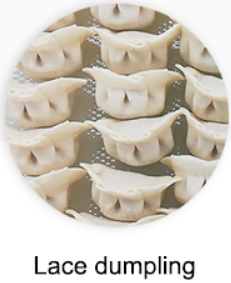
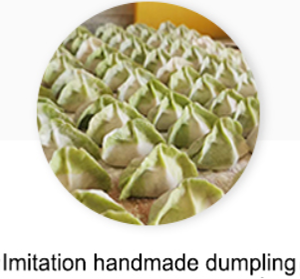
The key to success is the filling's consistency. It should be finely minced and not overly wet to ensure a clean seal. Beyond traditional gyoza, this gyoza machine shows its adaptability. By equipping optional molds, operators can use it for other popular dumplings. It can produce wontons, siomai, and even gyoza with a decorative "lace skirt" shape, making it a multi-purpose tool for any dumpling enthusiast.
Cleanup and Maintenance
A great appliance should be as easy to clean as it is to use. The XSJ10A excels in this area, with a design that simplifies post-cooking cleanup. Proper maintenance ensures the machine operates flawlessly for years, protecting the user's investment. This focus on easy care makes the entire gyoza-making experience enjoyable from start to finish.
How to Disassemble and Clean
Cleaning the XSJ10A is a quick and straightforward process. The designers engineered the machine for simple disassembly, allowing users to access all parts that come into contact with food.
1. Unplug the Unit: Always disconnect the machine from the power source before cleaning. Safety is the first priority.
2.Remove the Mold: The primary gyoza mold detaches easily. This component requires the most attention.
3.Wipe Down the Body: Use a damp cloth to wipe the main body of the machine. Its smooth stainless steel surface resists sticking.
4.Clean the Mold and Parts: Wash the removable components with warm, soapy water. The included brushes are perfect for clearing any residual filling from the mold's crevices.
Maintenance Tip: Clean the machine shortly after use. This prevents any leftover filling from drying and hardening, making the process much faster.
Are the Parts Dishwasher-Safe?
To ensure the longevity of the machine's components, the manufacturer provides specific cleaning guidelines. While the robust materials can withstand thorough washing, hand-washing is the recommended method for all removable parts.
| Component | Recommended Cleaning Method |
| Main Body | Wipe with a damp cloth |
| Removable Molds | Hand-wash with soap and water |
| Small Tools | Hand-wash with soap and water |
Following these instructions prevents potential damage from high-heat dishwasher cycles and harsh detergents. Hand-washing preserves the integrity and finish of the precision-engineered parts.
Long-Term Durability
The XSJ10A is built to last. Its construction from high-quality Stainless Steel and Hydro Alloy provides a strong defense against rust, corrosion, and physical wear. The internal mechanics are engineered for consistency and repeated use, promising reliable performance over thousands of cycles. With regular cleaning and proper care, users can expect this durable gyoza machine to be a dependable kitchen partner for a very long time. It is a robust tool designed for sustained, heavy use in a home kitchen environment.
Who Is This For (And Who Should Skip It)?
Deciding on a new kitchen appliance requires matching its function to a cook's specific needs. The XSJ10A offers significant advantages, but its value depends entirely on the user's goals and cooking style. This appliance is a powerful tool for the right person.
The Ideal Home Cook
The XSJ10A is a perfect match for several types of home cooks. These individuals will find its efficiency and consistency to be game-changing. The ideal user is often:
The Busy Professional or Parent: They love fresh, homemade food but have limited time for laborious prep work.
The Frequent Entertainer: This person enjoys hosting parties and needs to prepare large quantities of food quickly and reliably.
The Meal-Prep Enthusiast: They prepare meals in large batches for the week ahead. The machine allows them to stock their freezer with perfect gyoza.
The Gyoza Aficionado: This cook eats gyoza regularly and wants restaurant-quality results at home without the manual effort.
When Hand-Folding Is Still Better
Manual folding retains its unique appeal in specific contexts. The traditional method is often preferred by culinary purists or artisans. These individuals may view the folding process as a meditative or creative practice. Hand-folding allows for complete artistic freedom, enabling the creation of unique, intricate pleat designs that go beyond standard shapes. For those who cherish the craft and ritual of making dumplings by hand, the manual process remains an irreplaceable experience.
Is It Worth the Price Tag?
The price of the XSJ10A positions it as a serious kitchen investment. Its worth is best measured by the value it delivers in time and quality. For households that frequently purchase frozen gyoza or order them from restaurants, the machine offers a cost-effective path to a superior, fresher product over time.
The Bottom Line: The appliance pays for itself through saved hours and consistently perfect results. For anyone who considers gyoza a staple food, the investment eliminates the biggest barrier to making it at home: time-consuming assembly.
The TOA Gyoza Maker is a game-changing appliance, making a "giant difference" for homemade gyoza enthusiasts. This powerful gyoza machine offers significant benefits for any home cook.
It dramatically reduces assembly time.
It produces consistently perfect dumplings that hold their seal.
It features a remarkably easy cleaning process.
For gyoza lovers looking to save time and effort, this tiny machine is a must-have kitchen gadget. Its performance and convenience fully justify its cost and small footprint.
FAQ
Can the machine make other types of dumplings?
Yes, the XSJ10A is highly versatile. It handles various dumplings beyond classic gyoza. By equipping optional molds, operators can produce perfectly formed wontons and siomai. This feature makes the appliance a multi-purpose tool for any dumpling enthusiast seeking variety in their cooking.
What kind of wrappers should I use?
Standard, store-bought round gyoza or wonton wrappers work best with this machine. Users should ensure the wrappers are fresh and pliable. A light moistening of the wrapper's edge before sealing guarantees a strong, durable crimp that holds up during cooking.
How many gyoza can it produce in an hour?
The machine demonstrates remarkable efficiency. Based on its ability to produce 100 gyoza in approximately 10 minutes, an operator can consistently make around 600 gyoza per hour. This rapid production rate is ideal for batch cooking, meal prepping, or preparing for large gatherings.
Is this gyoza machine suitable for commercial use?
The XSJ10A is primarily designed for commercial environments. Its robust build and efficiency make it perfect for heavy commercial use.
Post time: Nov-07-2025