
Types of Automated Packing Machines
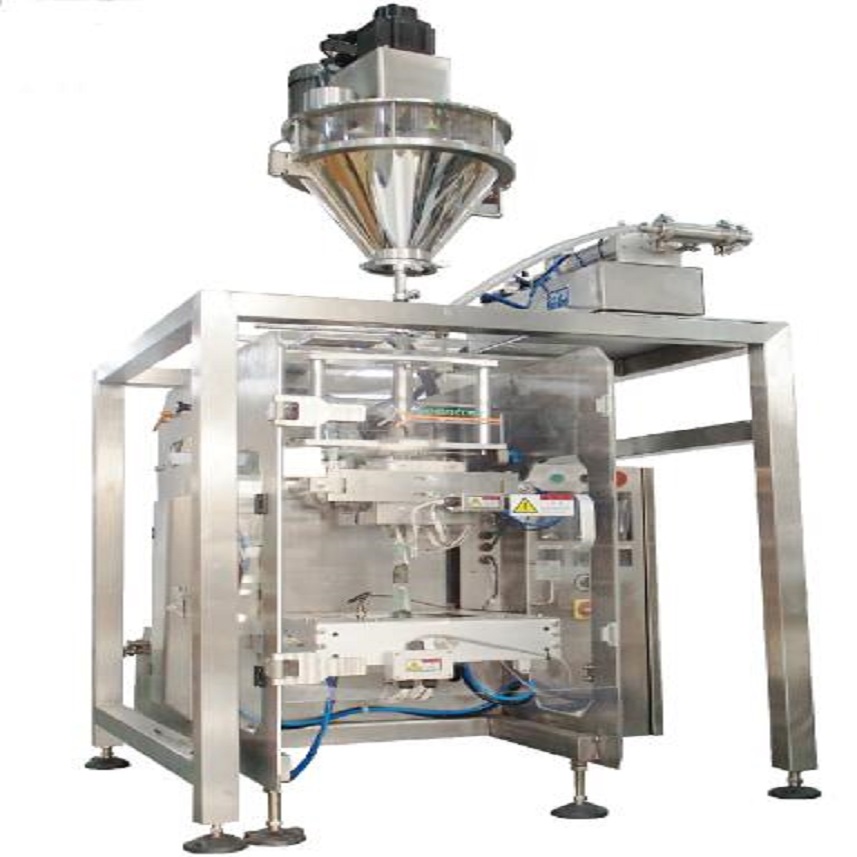
Vertical Form Fill Seal Machines
Vertical Form Fill Seal (VFFS) machines create packages by forming film into a tube, filling it with product, and sealing it vertically. These machines handle powders, granules, and liquids. Manufacturers use VFFS machines for snacks, coffee, and pet food.
Tip: VFFS machines offer high-speed operation and flexibility for different bag sizes.
Key Features of VFFS Machines:
·Compact design for limited space
·Fast changeover between products
·Reliable sealing for freshness
Horizontal Form Fill Seal Machines
Horizontal Form Fill Seal (HFFS) machines operate by forming packages horizontally. The machine places products onto a film, wraps them, and seals the package. Companies use HFFS machines for items like candy bars, bakery goods, and medical devices.
| Feature | Benefit |
|---|---|
| Gentle handling | Protects fragile items |
| Versatile formats | Supports trays, pouches |
| Consistent output | Maintains quality |
Note: HFFS machines suit products that need careful placement or have irregular shapes.
Cartoning Machines
Cartoning machines automate the process of forming cartons, inserting products, and sealing the boxes. These machines package items such as pharmaceuticals, cosmetics, and food products. Operators select cartoning machines for their ability to handle both rigid and flexible packaging.
·Cartoning machines support various carton styles, including tuck-end and glue-sealed boxes.
·They integrate with other automated packing machine systems for streamlined production.
·Advanced models include sensors for error detection and quality control.
Cartoning machines improve packaging speed and reduce manual labor.
Palletizing Machines
Palletizing machines automate the stacking of packaged goods onto pallets. These machines handle boxes, bags, and containers with precision. Manufacturers rely on palletizing machines to improve warehouse efficiency and reduce manual labor.
Palletizing machines use robotic arms or gantry systems to lift and arrange products. Operators program the machines to follow specific stacking patterns. Sensors monitor the placement of each item to prevent errors.
Palletizing machines help companies achieve consistent pallet loads and minimize product damage during transport.
Common Features of Palletizing Machines:
·Adjustable grippers for different product sizes
·Integrated safety systems to protect workers
·Fast cycle times for high-volume operations
| Feature | Benefit |
|---|---|
| Robotic precision | Accurate stacking |
| Modular design | Easy expansion |
| Automated sorting | Streamlined workflow |
Palletizing machines often connect with an automated packing machine to create a seamless packaging and shipping process. This integration boosts productivity and ensures products move efficiently from packing to distribution.
Wrapping and Shrink Packaging Machines
Wrapping and shrink packaging machines apply protective film around products or bundles. These machines use heat to shrink the film tightly, securing items for storage or transport. Companies use shrink packaging for food, electronics, and consumer goods.
Operators select wrapping machines based on product size and packaging needs. The machines feed film around the product, seal the edges, and apply heat to shrink the material. Sensors detect film placement and ensure proper sealing.
Tip: Shrink packaging provides tamper evidence and enhances product appearance.
Advantages of Wrapping and Shrink Packaging Machines:
·Improved product protection from dust and moisture
·Enhanced shelf appeal with clear, tight packaging
·Reduced risk of pilferage or tampering
Manufacturers often pair wrapping machines with an automated packing machine to create a complete packaging solution. This combination increases speed and maintains consistent quality across production lines.
Key Components of an Automated Packing Machine

Feeding System
The feeding system moves products into the automated packing machine. This component uses belts, vibratory feeders, or hoppers to guide items toward the next stage. Operators select the feeding system based on product type and size. For example, small tablets require precise vibratory feeders, while bulk grains move best with conveyor belts.
·Common feeding system types:
·Belt conveyors for steady movement
·Vibratory feeders for delicate items
·Hoppers for bulk materials
Sensors monitor the flow of products. If the system detects a blockage, it alerts the operator. This feature helps maintain continuous operation and reduces downtime.
Tip: A reliable feeding system increases overall efficiency and prevents jams.
Filling Mechanism
The filling mechanism places products into containers or packages. This part of the automated packing machine uses volumetric, gravimetric, or auger fillers. Each method suits different product forms, such as powders, liquids, or solids.
| Filling Type | Best For | Example Products |
|---|---|---|
| Volumetric | Liquids, grains | Juice, rice |
| Gravimetric | Powders | Flour, detergent |
| Auger | Fine powders | Spices, coffee |
Operators adjust the filling mechanism to match product weight and volume. Sensors check each fill for accuracy. If the system detects an error, it stops the process and signals for correction.
Note: Accurate filling reduces waste and ensures consistent product quality.
Sealing Unit
The sealing unit closes packages to protect products. This component uses heat, pressure, or adhesives to create a secure seal. Manufacturers choose the sealing method based on packaging material and product requirements.
·Heat sealers work well for plastic films.
·Pressure sealers suit cartons and boxes.
·Adhesive sealers handle specialty packaging.
Sensors verify each seal for strength and integrity. If a weak seal appears, the system rejects the package. This process helps maintain high standards for safety and hygiene.
Sealing units play a vital role in preserving freshness and preventing contamination.
Control Panel and Sensors
The control panel acts as the brain of an automated packing machine. Operators use the panel to set parameters, monitor performance, and troubleshoot issues. Modern control panels feature touchscreens, digital displays, and programmable logic controllers (PLCs). These tools allow users to adjust speed, temperature, and fill levels with precision.
Sensors work alongside the control panel to provide real-time feedback. They detect product position, measure weight, and check seal integrity. If a sensor identifies a problem, the control panel alerts the operator or stops the machine to prevent errors.
Tip: Regular calibration of sensors ensures accurate readings and reliable operation.
Common Types of Sensors in Packing Machines:
·Photoelectric sensors: Detect product presence and position.
·Load cells: Measure weight for precise filling.
·Temperature sensors: Monitor sealing unit heat.
·Proximity sensors: Track moving parts and prevent collisions.
| Sensor Type | Function | Example Use |
|---|---|---|
| Photoelectric | Detects objects | Product alignment |
| Load cell | Measures weight | Filling accuracy |
| Temperature | Monitors heat | Seal quality |
| Proximity | Tracks movement | Safety interlocks |
A well-designed control panel and sensor system increases efficiency and reduces downtime. Operators rely on these components to maintain consistent product quality and ensure safe machine operation.
Conveyor System
The conveyor system moves products through each stage of the packing process. Belts, rollers, or chains transport items from feeding to filling, sealing, and finally to palletizing or wrapping. Manufacturers select conveyor types based on product size, shape, and weight.
Conveyors synchronize with other machine components to maintain a steady workflow. Sensors along the conveyor detect jams or misaligned products. The control panel uses this information to adjust speed or stop the line for corrections.
Key Benefits of Conveyor Systems:
·Streamlined product movement
·Reduced manual handling
·Improved safety for workers
Operators monitor conveyor performance to prevent bottlenecks. A reliable conveyor system supports high-speed packing and helps companies meet production targets.
How an Automated Packing Machine Works
Step-by-Step Packing Process
An automated packing machine follows a precise sequence to package products efficiently. The process begins when the feeding system delivers items to the filling station. The machine measures each product using sensors and places it into a container or bag. The sealing unit then closes the package to protect the contents.
Operators program the machine to handle different product types and sizes. The control panel displays real-time data, allowing adjustments to speed and fill levels. The conveyor system moves packages through each stage, ensuring a smooth workflow.
Typical Packing Steps:
- Product enters the feeding system.
- Sensors verify product position and quantity.
- Filling mechanism dispenses the correct amount.
- Sealing unit secures the package.
- Conveyor transports the finished package to the next station.
Integration with Production Lines
Manufacturers often connect an automated packing machine with other equipment to create a seamless production line. The machine communicates with upstream and downstream systems, such as mixers, sorters, and palletizers. This integration allows for synchronized operation and maximizes throughput.
Operators use the control panel to coordinate the packing machine with other devices. Sensors track product flow and signal when adjustments are needed. The system can automatically pause or resume production based on real-time conditions.
| Integration Feature | Benefit |
|---|---|
| Data sharing | Improved traceability |
| Automated scheduling | Reduced bottlenecks |
| Remote monitoring | Faster troubleshooting |
Manufacturers achieve higher efficiency and better resource management by linking machines in a unified line. This approach supports large-scale operations and helps companies meet tight deadlines.
Quality Control and Error Detection
Quality control plays a vital role in automated packing machine operation. Sensors and cameras inspect each package for defects, such as incorrect fill levels, weak seals, or misaligned labels. The control panel records inspection results and alerts operators to any issues.
The machine rejects faulty packages automatically, preventing them from reaching customers. Operators review error logs and adjust settings to improve accuracy. Advanced systems use machine learning to identify patterns and predict potential problems.
Manufacturers rely on automated error detection to maintain high standards. The combination of sensors, software, and operator oversight creates a robust quality assurance process.
Benefits of Automated Packing Machines
Increased Efficiency and Speed
Automated packing machines transform production environments by boosting efficiency and speed. Operators observe a significant reduction in manual tasks. The machine handles repetitive actions with precision. Production lines move faster because the system eliminates delays caused by human error. Companies report shorter lead times and higher output rates.
Automated systems allow manufacturers to meet tight deadlines and respond quickly to market demands.
Key advantages of increased efficiency:
·Faster packaging cycles
·Reliable throughput
·Reduced downtime
A well-configured automated packing machine supports continuous operation. Businesses achieve more consistent schedules and maximize productivity.
Consistent Product Quality
Manufacturers rely on automated packing machines to deliver uniform product quality. The machine uses sensors and control panels to monitor every step. Each package receives the same amount of product and the same seal strength. Quality control features detect errors and remove defective items from the line.
| Quality Feature | Impact on Product |
|---|---|
| Precise filling | Accurate weight |
| Strong sealing | Improved freshness |
| Error detection | Fewer defects |
Operators trust automated systems to maintain high standards. Customers receive products that look and perform as expected.
Labor Cost Reduction
Companies experience lower labor costs after installing automated packing machines. The system reduces the need for manual labor in repetitive tasks. Employees shift to roles that require problem-solving and oversight. Businesses save money on wages and training.
A reduction in manual labor also decreases the risk of workplace injuries. Employees work in safer environments and focus on tasks that add value.
Enhanced Safety and Hygiene
Automated packing machines create safer and cleaner work environments. These machines use enclosed systems that shield products from dust, debris, and airborne contaminants. Operators notice fewer risks of contamination because the equipment limits direct contact with products.
Manufacturers design automated packing machines with advanced safety features. Emergency stop buttons, safety interlocks, and protective guards prevent accidents. Sensors detect abnormal conditions, such as jams or overheating, and trigger automatic shutdowns. Workers stay protected from moving parts and hazardous materials.
Note: Automated systems help companies comply with strict hygiene standards in industries like food, pharmaceuticals, and cosmetics.
Hygiene remains a top priority in packaging operations. Automated packing machines use stainless steel surfaces and easy-to-clean components. These materials resist bacteria and allow for quick sanitation between production runs. Companies reduce the risk of cross-contamination and maintain product integrity.
Key Safety and Hygiene Benefits:
·Enclosed packaging zones block external contaminants
·Touchless operation minimizes human contact
·Automated cleaning cycles support regular sanitation
·Integrated safety sensors monitor machine status
| Safety Feature | Hygiene Benefit |
|---|---|
| Protective guards | Prevents accidental contact |
| Stainless steel parts | Resists bacterial growth |
| Automated shutdown | Reduces contamination risk |
Operators receive training on proper machine use and cleaning procedures. They follow strict protocols to maintain a safe workspace. Automated packing machines support these efforts by providing consistent, reliable performance.
Manufacturers rely on automated systems to meet regulatory requirements and protect both workers and consumers. Enhanced safety and hygiene features build trust and ensure high-quality products reach the market.
Choosing the Right Automated Packing Machine
Assessing Product Type and Packaging Needs
Selecting the right automated packing machine starts with understanding the product and its packaging requirements. Companies examine the size, shape, and fragility of their products. They also consider the type of packaging material, such as plastic film, cartons, or shrink wrap. For example, food items may need airtight seals, while electronics require protective wrapping.
Checklist for Product Assessment:
·Product dimensions and weight
·Packaging material compatibility
·Special handling needs (fragile, perishable, hazardous)
·Desired packaging style (bag, box, tray)
Considering Production Volume
Production volume plays a key role in machine selection. High-volume operations benefit from machines with faster cycle times and robust construction. Smaller businesses may choose compact models that offer flexibility for lower output.
A table helps compare machine options based on production needs:
| Production Volume | Recommended Machine Type | Key Feature |
|---|---|---|
| Low | Tabletop or semi-auto | Easy setup |
| Medium | Modular systems | Scalable capacity |
| High | Fully automated | High-speed packing |
Companies should estimate daily and monthly output to avoid bottlenecks.
Budget and Cost Factors
Budget influences the final decision. Companies calculate the total cost, including purchase price, installation, and maintenance. They also factor in energy consumption and spare parts availability.
A well-planned investment in an automated packing machine can lead to long-term savings.
Cost Considerations:
·Initial purchase price
·Installation and training fees
·Maintenance and repair costs
·Energy efficiency
·Availability of technical support
Evaluating After-Sales Support and Maintenance
After-sales support and maintenance play a crucial role in the long-term performance of automated packing machines. Companies that invest in reliable support services experience fewer disruptions and maximize equipment lifespan. When evaluating potential suppliers, decision-makers should consider several key factors.
Key Aspects to Evaluate:
·Availability of Technical Support: Leading manufacturers offer 24/7 technical assistance. Quick response times help resolve issues before they impact production.
·Spare Parts Supply: A steady supply of genuine spare parts ensures minimal downtime. Suppliers with local warehouses can deliver parts faster.
·Training Programs: Comprehensive training for operators and maintenance staff improves machine handling and reduces errors.
·Preventive Maintenance Plans: Scheduled maintenance checks help identify wear and tear early. These plans extend the life of the machine and prevent costly breakdowns.
| Support Feature | Why It Matters |
|---|---|
| 24/7 Technical Support | Reduces unplanned downtime |
| Local Spare Parts | Speeds up repairs |
| Operator Training | Improves efficiency and safety |
| Maintenance Contracts | Ensures regular machine upkeep |
Manufacturers that provide strong after-sales support build trust with their customers. They help businesses maintain consistent production and meet quality standards. Regular maintenance also protects the initial investment by reducing the risk of major repairs.
A company should always check customer reviews and ask for references. Positive feedback from other users signals dependable service. Reliable after-sales support and maintenance give companies peace of mind and help them achieve long-term success with their automated packing machines.
Common Applications and Industries for Automated Packing Machines
Food and Beverage
The food and beverage industry relies heavily on automated packing machines. Companies use these machines to package snacks, dairy products, frozen foods, and beverages. Automated systems handle tasks such as filling, sealing, labeling, and palletizing. They help maintain product freshness and prevent contamination. Food manufacturers often choose machines with stainless steel parts for easy cleaning and hygiene.
Key applications in food and beverage:
·Bagging chips, nuts, and candies
·Bottling juices and soft drinks
·Sealing ready-to-eat meals
·Wrapping bakery items
Note: Automated packing machines support compliance with food safety regulations and increase production speed.
Pharmaceuticals
Pharmaceutical companies require precise and sterile packaging solutions. Automated packing machines fill capsules, tablets, and liquids into blister packs, bottles, or sachets. These machines use advanced sensors to ensure accurate dosing and tamper-evident seals. The pharmaceutical industry values traceability, so machines often include barcode printing and inspection systems.
Common pharmaceutical packaging tasks:
·Blister packing of pills
·Filling and sealing vials
·Cartoning medical devices
·Labeling prescription bottles
A reliable automated packing machine helps pharmaceutical companies meet strict quality standards and protect patient safety.
Consumer Goods
Manufacturers of consumer goods use automated packing machines to handle a wide variety of products. These include personal care items, cleaning supplies, and household goods. Machines package products in bottles, boxes, or shrink-wrapped bundles. They improve consistency and reduce manual labor.
| Product Type | Packaging Method |
|---|---|
| Shampoo bottles | Capping and labeling |
| Detergent pods | Pouch filling |
| Toys and gadgets | Blister packaging |
Automated packing machines allow consumer goods companies to respond quickly to market trends and seasonal demand.
Electronics and Hardware
Electronics and hardware manufacturers depend on automated packing machines to protect sensitive components and streamline production. These machines handle items such as circuit boards, cables, batteries, and small devices. Automated systems ensure each product receives the correct packaging, which reduces the risk of damage during shipping and storage.
Companies in this sector face unique challenges. Many electronic parts require anti-static packaging to prevent electrical discharge. Hardware items often need custom inserts or foam padding for extra protection. Automated packing machines offer precise control over these features, which helps maintain product integrity.
Manufacturers use several packaging methods for electronics and hardware:
·Blister Packaging: Protects small items like connectors and switches.
·Shrink Wrapping: Secures bundles of cables or batteries.
·Cartoning: Provides sturdy boxes for larger devices or toolkits.
·Tray Packing: Organizes components for assembly lines or retail displays.
| Packaging Method | Typical Products | Key Benefit |
|---|---|---|
| Blister Packs | Microchips, connectors | Tamper resistance |
| Shrink Wrap | Cables, batteries | Compact protection |
| Cartons | Routers, tools | Impact resistance |
| Trays | PCBs, modules | Easy handling |
Automated packing machines also support quality control. Sensors check for missing items, incorrect labels, or faulty seals. The system rejects defective packages before they reach customers. This process helps electronics and hardware companies maintain high standards and reduce returns.
Manufacturers benefit from faster packaging speeds and lower labor costs. Automated systems allow them to scale production and respond quickly to market changes. Reliable packaging protects valuable products and builds customer trust.
Note: Investing in automated packing machines helps electronics and hardware companies meet industry regulations and deliver consistent quality.
An automated packing machine streamlines packaging by combining speed, accuracy, and reliability. Companies gain advantages such as consistent product quality, reduced labor costs, and improved safety.
·Evaluate product type and production volume.
·Consider budget and after-sales support.
Careful assessment helps businesses select the best solution for their operations.
FAQ
What products can an automated packing machine handle?
Automated packing machines process a wide range of products. They package food, beverages, pharmaceuticals, consumer goods, electronics, and hardware. Operators select machines based on product size, shape, and packaging requirements.
How does an automated packing machine improve safety?
Automated packing machines use enclosed systems and safety sensors. These features protect workers from moving parts and reduce contamination risks. Manufacturers design machines with emergency stop buttons and protective guards.
What maintenance does an automated packing machine require?
Operators perform routine cleaning, lubrication, and sensor calibration. Manufacturers recommend scheduled inspections to identify wear and replace parts. Preventive maintenance extends machine lifespan and reduces unexpected downtime.
| Maintenance Task | Frequency |
|---|---|
| Cleaning | Daily |
| Lubrication | Weekly |
| Sensor Calibration | Monthly |
Can automated packing machines integrate with existing production lines?
Manufacturers design automated packing machines for easy integration. These machines connect with conveyors, palletizers, and labeling systems. Operators use control panels to synchronize operations and maximize efficiency.
Post time: Sep-18-2025