
Criteria for an Innovative Food Product Packaging Machine
Automation and Smart Technology
Modern food businesses demand speed and precision. Automation stands at the core of every innovative food product packaging machine. These machines use advanced robotics, sensors, and software to streamline packaging lines. Operators can monitor performance in real time and adjust settings with user-friendly interfaces. Smart technology enables predictive maintenance, which reduces downtime and extends equipment life. Many systems now integrate with cloud platforms, allowing managers to track production data from anywhere.
Sustainability and Eco-Friendly Design
Sustainability shapes the future of packaging. Manufacturers now design machines that support recyclable, compostable, or biodegradable materials. Energy-efficient motors and reduced water usage help lower the environmental impact. Some machines feature modular components, making upgrades and repairs easier and less wasteful.
·Eco-friendly packaging systems often include:
·Minimal material waste
·Support for plant-based films
·Reduced carbon footprint
Companies that invest in sustainable packaging solutions meet consumer expectations and comply with global regulations.
Hygiene and Food Safety
Food safety remains a top priority in the industry. Innovative machines use stainless steel surfaces, easy-to-clean parts, and sealed enclosures to prevent contamination. Many systems include automated cleaning cycles and UV-C sterilization features. These designs help businesses meet strict hygiene standards and pass regulatory inspections.
Versatility and Adaptability
Versatility and adaptability define the next generation of packaging equipment. Food manufacturers face a wide range of products, packaging sizes, and market demands. An innovative food product packaging machine must handle multiple product types, from powders to liquids to solids. Operators can switch between packaging formats with minimal downtime. This flexibility allows companies to respond quickly to seasonal trends or new product launches.
Many modern machines feature modular designs. Teams can add or remove components to match specific production needs. For example, a company may need to package both single-serve snacks and bulk items. A modular system lets them adjust the machine configuration without investing in separate equipment.
Versatile machines also support various packaging materials. They can process plastic films, paper-based wraps, and even compostable materials. This capability ensures compliance with changing regulations and consumer preferences for sustainable packaging.
Key features of adaptable packaging machines include:
·Quick-changeover mechanisms for different product lines
·Adjustable sealing and cutting systems
·Programmable settings for custom packaging shapes and sizes
·Compatibility with a wide range of packaging substrates
A table below highlights the benefits of versatility and adaptability:
| Feature | Business Benefit |
|---|---|
| Multi-format compatibility | Faster response to market trends |
| Modular construction | Lower investment costs |
| Material flexibility | Easier compliance with regulations |
| Quick changeover | Reduced production downtime |
A truly versatile food product packaging machine empowers food businesses to stay agile in a competitive market. Companies that invest in adaptable solutions can meet customer demands and scale operations efficiently.
Top 10 Food Product Packaging Machines for 2025
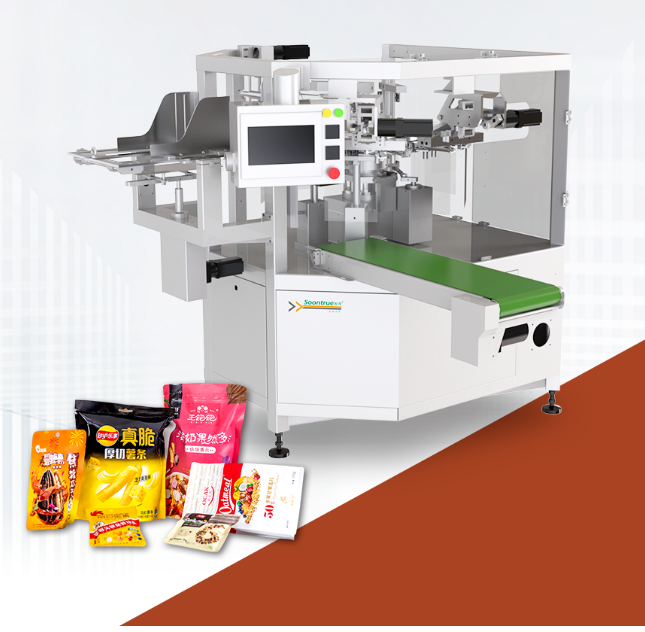
Yundu High-Speed Automated Pouch Filler
Yundu leads the industry with its High-Speed Automated Pouch Filler. This food product packaging machine delivers unmatched speed and accuracy for pouch-based products. Operators can fill hundreds of pouches per minute, which increases production capacity and reduces bottlenecks. The system uses advanced robotics to ensure each pouch receives the correct amount of product. Sensors monitor fill levels and detect inconsistencies, which helps maintain quality standards.
The Yundu machine supports a wide range of pouch sizes and materials. Manufacturers can switch between different products with minimal downtime. The intuitive touchscreen interface allows quick adjustments to filling parameters. Maintenance teams benefit from predictive alerts that signal when parts need attention. This feature reduces unexpected breakdowns and keeps production lines running smoothly.
Tetra Pak Robotic Carton Erector
Tetra Pak has transformed carton packaging with its Robotic Carton Erector. This machine automates the process of forming, filling, and sealing cartons. The robotic arms handle each carton with precision, which minimizes the risk of damage or contamination. The system can process various carton sizes, making it ideal for businesses with diverse product lines.
The Tetra Pak Robotic Carton Erector features a compact footprint. Production managers can fit the machine into existing lines without major modifications. The machine uses energy-efficient motors and recyclable materials, which supports sustainability goals. Operators can monitor performance data in real time through an integrated digital dashboard.
A table below highlights key advantages:
| Feature | Benefit |
|---|---|
| Robotic arms | Consistent carton formation |
| Compact design | Easy integration |
| Real-time monitoring | Improved operational control |
| Eco-friendly materials | Reduced environmental impact |
This food product packaging machine helps companies meet high-volume demands while maintaining strict hygiene standards.
Krones Intelligent Vacuum Sealer
Krones sets a new standard with its Intelligent Vacuum Sealer. This machine extends product shelf life by removing air from packaging and creating a secure seal. The vacuum process protects food from spoilage and preserves freshness. The Krones system uses smart sensors to adjust vacuum strength based on product type and packaging material.
Operators can program custom sealing cycles for different foods, such as meats, cheeses, or ready-to-eat meals. The machine features stainless steel construction and easy-to-clean surfaces, which support food safety requirements. Maintenance teams appreciate the modular design, which allows quick part replacements and upgrades.
Viking Masek Modular Tray Sealer
Viking Masek has developed a modular tray sealer that stands out in the food packaging industry. This machine offers unmatched flexibility for sealing trays of various sizes and materials. Operators can switch between packaging formats quickly, which helps companies respond to changing market demands. The modular design allows businesses to add or remove sealing stations based on production needs.
The tray sealer uses advanced heat-sealing technology to ensure airtight seals. This process preserves food freshness and extends shelf life. The machine features stainless steel construction, which supports hygiene and easy cleaning. Maintenance teams appreciate the tool-free access to critical components. This design reduces downtime and improves overall efficiency.
Key benefits of the Viking Masek Modular Tray Sealer include:
·Fast changeover between tray sizes and materials
·Energy-efficient operation
·High-speed sealing for increased throughput
·User-friendly touchscreen controls
A table below highlights the advantages:
| Feature | Benefit |
|---|---|
| Modular design | Scalable production |
| Heat-sealing tech | Improved shelf life |
| Stainless steel build | Enhanced hygiene |
| Quick changeover | Reduced downtime |
The Viking Masek Modular Tray Sealer helps food manufacturers stay competitive by offering adaptability and reliability.
Eco-Friendly Biodegradable Packaging System
Sustainability drives innovation in packaging technology. The Eco-Friendly Biodegradable Packaging System provides a solution for companies seeking to reduce their environmental impact. This food product packaging machine supports a wide range of biodegradable films and trays made from plant-based materials. Operators can select packaging substrates that meet both regulatory requirements and consumer preferences.
The system uses low-energy sealing methods to minimize resource consumption. It features automated material feeders that reduce waste during production. Maintenance teams benefit from modular components, which simplify repairs and upgrades. The machine’s compact footprint allows easy integration into existing production lines.
Manufacturers choose this system for several reasons:
·Compatibility with compostable and recyclable materials
·Reduced carbon footprint
·Support for eco-labeling and traceability
·Lower operating costs due to energy efficiency
A list of supported packaging materials includes:
·PLA-based films
·Paperboard trays
·Starch-based wraps
·Cellulose coatings
The Eco-Friendly Biodegradable Packaging System enables food producers to meet global sustainability goals while maintaining product quality.
UV-C Sterilization Packaging Unit
Food safety remains a top priority for manufacturers. The UV-C Sterilization Packaging Unit uses ultraviolet light to eliminate bacteria, viruses, and mold from packaging surfaces. This technology ensures that food products remain safe throughout the supply chain. Operators can set sterilization cycles based on product type and packaging material.
The unit features enclosed chambers that prevent UV-C exposure to workers. Sensors monitor sterilization effectiveness and alert operators to any issues. Maintenance teams find the system easy to clean due to its smooth surfaces and removable panels. The machine integrates with other packaging equipment for seamless operation.
Key features of the UV-C Sterilization Packaging Unit:
·Automated sterilization cycles
·Real-time monitoring of UV-C intensity
·Safety interlocks to protect operators
·Compatibility with various packaging formats
A table summarizes the benefits:
| Feature | Benefit |
|---|---|
| UV-C technology | Enhanced food safety |
| Automated cycles | Consistent sterilization |
| Safety interlocks | Worker protection |
| Integration capability | Streamlined operations |
The UV-C Sterilization Packaging Unit supports high standards of hygiene and product integrity in modern food manufacturing.
Flexible Multi-Format Wrapper
The Flexible Multi-Format Wrapper stands out as a solution for food manufacturers who need to package a variety of products. This machine wraps items in different shapes and sizes, from snack bars to bakery goods. Operators can switch between packaging formats quickly. The wrapper uses programmable settings to adjust for each product type.
Manufacturers value the ability to handle multiple packaging materials. The machine supports plastic films, paper wraps, and compostable substrates. Production teams can respond to seasonal changes or new product launches without investing in separate equipment.
Key features include:
·Quick-change mechanisms for different product sizes
·Adjustable wrapping tension for delicate or sturdy items
·Touchscreen controls for easy operation
A table below highlights the benefits:
| Feature | Benefit |
|---|---|
| Multi-format capability | Adapts to diverse products |
| Material flexibility | Supports sustainability goals |
| Fast changeover | Minimizes production delays |
The Flexible Multi-Format Wrapper helps food businesses stay agile in a competitive market.
IoT-Enabled Labeling Machine
The IoT-Enabled Labeling Machine brings smart technology to the packaging line. This food product packaging machine connects to cloud platforms and factory networks. Operators monitor labeling accuracy and machine status in real time. The system sends alerts if labels misalign or supplies run low.
Production managers use data from the machine to optimize workflows. The labeling unit supports barcodes, QR codes, and custom graphics. Maintenance teams benefit from predictive diagnostics, which reduce unexpected downtime.
Manufacturers choose IoT-enabled machines for several reasons:
·Remote monitoring and control
·Automated supply tracking
·Integration with other packaging equipment
Alert: IoT-enabled labeling machines help companies maintain traceability and comply with food safety regulations.
A list of supported label types includes:
·Pressure-sensitive labels
·Thermal transfer labels
·Eco-friendly paper labels
The IoT-Enabled Labeling Machine improves efficiency and ensures consistent product identification.
Compact Vertical Form Fill Seal Machine
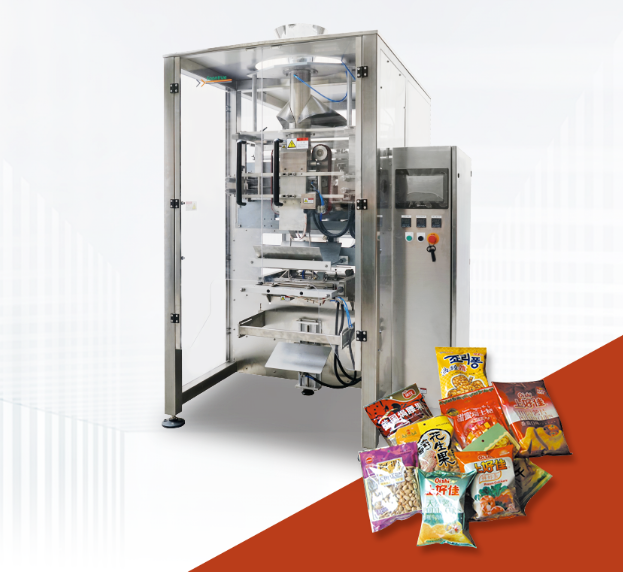
The Compact Vertical Form Fill Seal Machine offers a space-saving solution for small and medium-sized food producers. This machine forms bags from roll stock, fills them with product, and seals them in one continuous process. Operators appreciate the small footprint, which fits into tight production areas.
The machine handles powders, granules, and liquids. Programmable settings allow quick adjustments for different bag sizes and fill weights. Maintenance teams find the modular design easy to service.
Key advantages include:
·High-speed operation for increased output
·Minimal material waste
·User-friendly interface
A table summarizes the benefits:
| Feature | Benefit |
|---|---|
| Compact design | Saves floor space |
| Versatile filling | Handles many product types |
| Efficient sealing | Reduces packaging waste |
The Compact Vertical Form Fill Seal Machine supports efficient and reliable packaging for a wide range of food products.
Smart Inspection and Quality Control System
Smart inspection and quality control systems have become essential in modern food packaging operations. These systems use advanced cameras, sensors, and artificial intelligence to monitor every package on the production line. They detect defects, measure fill levels, and verify label accuracy. Operators receive instant feedback, which allows them to correct issues before products leave the facility.
A smart inspection system can identify problems that human eyes might miss. High-resolution cameras capture images of each package. Machine learning algorithms analyze these images for signs of contamination, improper sealing, or damaged packaging. The system flags any irregularities and removes faulty products from the line. This process ensures that only safe and high-quality items reach consumers.
Manufacturers benefit from real-time data collection. The system records inspection results and tracks trends over time. Managers use this information to improve processes and reduce waste. Automated quality control also helps companies comply with strict food safety regulations.
Key features of a smart inspection and quality control system include:
·High-speed image capture for continuous monitoring
·Automated rejection of defective packages
·Integration with other packaging equipment
·Detailed reporting and analytics
A comparison table highlights the advantages:
| Feature | Benefit |
|---|---|
| AI-powered defect detection | Improved product consistency |
| Real-time alerts | Faster response to issues |
| Data-driven analytics | Better process optimization |
| Automated rejection | Reduced manual labor |
Smart inspection technology works seamlessly with any food product packaging machine. It provides an extra layer of protection for both brands and consumers. As the industry moves toward greater automation, these systems set new standards for quality and reliability.
How Food Product Packaging Machines Solve Industry Challenges
Reducing Labor Costs
Food manufacturers face rising labor expenses. Automated packaging machines help companies lower these costs. Operators use machines to handle repetitive tasks, such as filling, sealing, and labeling. This shift allows workers to focus on quality control and supervision. Companies see fewer errors and less product waste.
A food product packaging machine can run for long hours without fatigue. Maintenance teams monitor performance and schedule repairs during off-peak times. This approach keeps production lines moving and reduces overtime costs.
Enhancing Product Shelf Life
Preserving freshness remains a top priority for food producers. Modern packaging machines use advanced sealing and vacuum technologies. These features remove air and moisture from packages. Products stay fresh longer and reach consumers in optimal condition.
Manufacturers rely on machines to create airtight seals for meats, dairy, and snacks. Sensors check each package for leaks or defects. Companies reduce spoilage and returns by using reliable equipment.
A table below highlights shelf life improvements:
| Technology | Shelf Life Benefit |
|---|---|
| Vacuum sealing | Prevents oxidation |
| Heat sealing | Blocks moisture |
| UV-C sterilization | Reduces contamination |
Meeting Sustainability Goals
Sustainability drives change in the food industry. Companies choose packaging machines that support eco-friendly materials. Machines process recyclable films, compostable trays, and plant-based wraps. Operators select settings that minimize material waste.
Manufacturers track energy and water usage with smart sensors. They upgrade equipment to meet new environmental standards.
A food product packaging machine with modular components allows easy upgrades. Teams replace outdated parts and improve efficiency without buying new equipment.
Improving Food Safety Standards
Food safety remains a critical concern for every food manufacturer. Modern packaging machines now include advanced features that help companies meet strict hygiene regulations. Stainless steel surfaces, automated cleaning cycles, and sealed enclosures prevent contamination. Many systems use UV-C sterilization or antimicrobial coatings to eliminate bacteria and viruses.
Operators rely on real-time monitoring to detect any issues during packaging. Sensors check for proper sealing and flag any irregularities. Automated rejection systems remove compromised packages before they reach consumers. These features reduce the risk of recalls and protect brand reputation.
A table below highlights key safety features and their benefits:
| Safety Feature | Benefit |
|---|---|
| UV-C sterilization | Kills harmful microorganisms |
| Automated cleaning | Maintains hygiene standards |
| Real-time monitoring | Detects contamination quickly |
| Sealed enclosures | Prevents external exposure |
Adapting to Changing Consumer Demands
Consumer preferences shift rapidly in the food industry. Packaging machines must adapt to new trends, such as smaller portion sizes, resealable packs, and eco-friendly materials. Manufacturers use flexible equipment to switch between different packaging formats with minimal downtime.
Many machines now support custom graphics and smart labels. These features allow brands to personalize packaging for special promotions or dietary information. Operators can adjust settings to accommodate new product launches or seasonal items.
Key ways packaging machines respond to consumer demands:
·Quick-change mechanisms for new package types
·Support for sustainable and recyclable materials
·Integration with digital printing for personalized labels
Emerging Trends and Future Outlook for Food Product Packaging Machines
Artificial intelligence (AI) continues to reshape the packaging industry. Machine learning algorithms analyze production data and predict maintenance needs. AI-powered vision systems inspect products for defects and ensure consistent quality. Operators rely on real-time feedback to adjust machine settings and optimize performance. Companies use AI to automate decision-making and reduce human error.
Tip: AI integration helps manufacturers increase efficiency and maintain high standards for food safety.
Growth of Sustainable Packaging Materials
Sustainable packaging materials gain popularity as environmental concerns rise. Manufacturers develop new films and trays from renewable resources. Plant-based plastics and compostable wraps replace traditional petroleum-based options. Production teams select materials that meet both regulatory requirements and consumer expectations.
A table below highlights common sustainable materials:
| Material Type | Environmental Benefit |
|---|---|
| PLA-based films | Biodegradable |
| Paperboard trays | Recyclable |
| Cellulose wraps | Compostable |
Companies that invest in sustainable solutions position themselves as leaders in responsible manufacturing.
Customization and Personalization in Packaging
Customization and personalization drive brand loyalty in the food sector. Modern packaging machines print unique graphics and QR codes for each product. Operators create limited-edition designs and add nutritional information tailored to specific markets. Consumers appreciate packaging that reflects their preferences and lifestyles.
Manufacturers use flexible equipment to switch between formats and designs quickly. The food product packaging machine adapts to new trends and supports personalized marketing campaigns.
Data-Driven Packaging Operations
Data-driven packaging operations now play a critical role in the food industry. Modern packaging machines collect and analyze large amounts of data during every production cycle. Operators use this information to make better decisions and improve efficiency.
Sensors on packaging lines track key metrics. These include machine speed, temperature, humidity, and product weight. The system sends real-time data to a central dashboard. Managers review this dashboard to spot trends and identify problems quickly. They can adjust machine settings to prevent downtime or reduce waste.
Tip: Real-time data helps teams respond to issues before they become costly problems.
Many companies use predictive analytics to schedule maintenance. The system alerts technicians when a part shows signs of wear. This approach reduces unexpected breakdowns and keeps production lines running smoothly.
A table below shows how data-driven operations benefit food packaging:
| Data Feature | Business Benefit |
|---|---|
| Real-time monitoring | Faster problem detection |
| Predictive alerts | Less unplanned downtime |
| Production analytics | Improved process efficiency |
| Quality tracking | Higher product consistency |
Food manufacturers also use data to ensure quality and safety. Machines record every step of the packaging process. If a problem occurs, teams can trace it back and fix the root cause. This traceability supports compliance with food safety regulations.
Data-driven packaging operations support continuous improvement. Teams review performance reports and set new goals. They use insights from data to reduce costs, boost output, and deliver safer products.
Note: Companies that invest in data-driven packaging gain a competitive edge in the fast-changing food industry.
Investing in an innovative food product packaging machine drives business growth. Companies gain faster production, improved food safety, and reduced environmental impact. In 2025, leaders choose machines that support automation and sustainability.
·Assess current packaging needs
·Research new technologies
·Train staff for optimal machine use
·Monitor performance data for continuous improvement
FAQ
What is the main benefit of using automated food packaging machines?
Automated machines increase production speed and consistency. They help companies reduce labor costs and minimize human error. Many businesses see improved product quality and higher output after upgrading to automation.
How do packaging machines support sustainability goals?
Modern machines use eco-friendly materials and energy-efficient processes. They reduce packaging waste and support recyclable or compostable options. Companies that choose sustainable machines often meet regulatory requirements and attract environmentally conscious consumers.
Can one machine handle different packaging formats?
Yes. Many innovative machines feature modular designs and quick-change mechanisms. Operators can switch between product types, sizes, and materials with minimal downtime. This flexibility helps companies respond to changing market demands.
How do packaging machines improve food safety?
Packaging machines use stainless steel surfaces, automated cleaning, and UV-C sterilization. Sensors monitor for contamination and seal integrity. These features help companies meet strict hygiene standards and protect consumers.
What data can smart packaging machines provide?
Smart machines collect data on production speed, material usage, and quality control. Managers use dashboards to monitor performance and identify trends. Real-time alerts help teams prevent downtime and maintain high standards.
Post time: Sep-22-2025