
Define Your Food Packaging Machine Needs
Know Your Product Type
Every business must start by identifying the specific product that needs packaging. Different products require different handling and packaging solutions. For example, dry snacks, frozen foods, and liquids each present unique challenges. A food packaging machine designed for powders may not suit products with high moisture content. Companies should analyze the texture, size, and fragility of their items. This step ensures that the machine selected will protect the product and maintain its quality.
Tip: Create a checklist of product characteristics. Include factors such as shape, weight, and sensitivity to temperature or pressure.
Determine Required Packaging Speed
Production targets play a critical role in machine selection. Some operations need to package hundreds of units per hour, while others focus on smaller batches. The speed of a food packaging machine must align with daily output goals. Overestimating speed can lead to unnecessary costs. Underestimating it may cause production delays and missed deadlines.
A simple table can help compare needs:
| Production Volume | Recommended Machine Speed |
|---|---|
| Low (up to 500/day) | 10-20 packs/minute |
| Medium (500-2000/day) | 20-60 packs/minute |
| High (2000+/day) | 60+ packs/minute |
Selecting the right speed ensures smooth workflow and maximizes efficiency.
Consider Your Production Environment
The environment where the machine will operate affects performance and longevity. Facilities with high humidity, dust, or temperature fluctuations require robust equipment. Some food packaging machines offer features like stainless steel construction or sealed electronics for harsh conditions. Space constraints also matter. Measure available floor space and check for adequate power supply.
Note: Always review local regulations for food safety and hygiene. The right machine should support compliance with these standards.
Careful evaluation of these factors helps businesses choose a food packaging machine that fits their unique needs and supports reliable operation.
Address Sanitation and Safety Standards
Sanitation and safety remain top priorities in the food industry. Every business must ensure that its packaging process meets strict hygiene requirements. Machines that handle food must use materials that resist corrosion and do not react with food products. Stainless steel surfaces and food-grade plastics help prevent contamination.
Operators should look for machines with easy-to-clean designs. Rounded edges, removable parts, and minimal crevices reduce the risk of bacteria buildup. Many manufacturers offer models with tool-free disassembly, which allows for quick and thorough cleaning.
Tip: Choose a machine that supports regular cleaning schedules and complies with local food safety regulations.
Safety features also matter. Emergency stop buttons, safety guards, and automatic shut-off systems protect workers from accidents. Clear labeling and warning signs further enhance workplace safety. Companies should verify that the machine meets industry standards such as HACCP or ISO 22000.
A focus on sanitation and safety not only protects consumers but also builds trust with clients and regulatory agencies.
Specify Package Types and Sizes
Selecting the right package type and size ensures product integrity and brand consistency. Businesses must identify the most suitable packaging for their products, whether it is pouches, trays, bottles, or cartons. Each format offers unique benefits. For example, vacuum-sealed pouches extend shelf life, while rigid trays provide extra protection for fragile items.
A food packaging machine should handle the desired package types without frequent adjustments. Some machines offer modular components or adjustable settings, which allow operators to switch between different package sizes quickly.
Consider the following factors when specifying package types and sizes:
·Product volume and weight
·Shelf presentation and branding needs
·Storage and transportation requirements
·Consumer convenience
| Package Type | Best For | Example Products |
|---|---|---|
| Pouches | Lightweight, flexible | Snacks, sauces |
| Trays | Fragile, portioned | Ready meals, bakery |
| Bottles | Liquids, pourable items | Juices, dressings |
| Cartons | Bulk, dry goods | Cereals, pasta |
Note: Always test packaging samples with the selected machine to confirm compatibility and performance.
By specifying package types and sizes early, businesses streamline production and avoid costly changes later.
Evaluate Food Packaging Machine Features
Check for Robustness and Durability
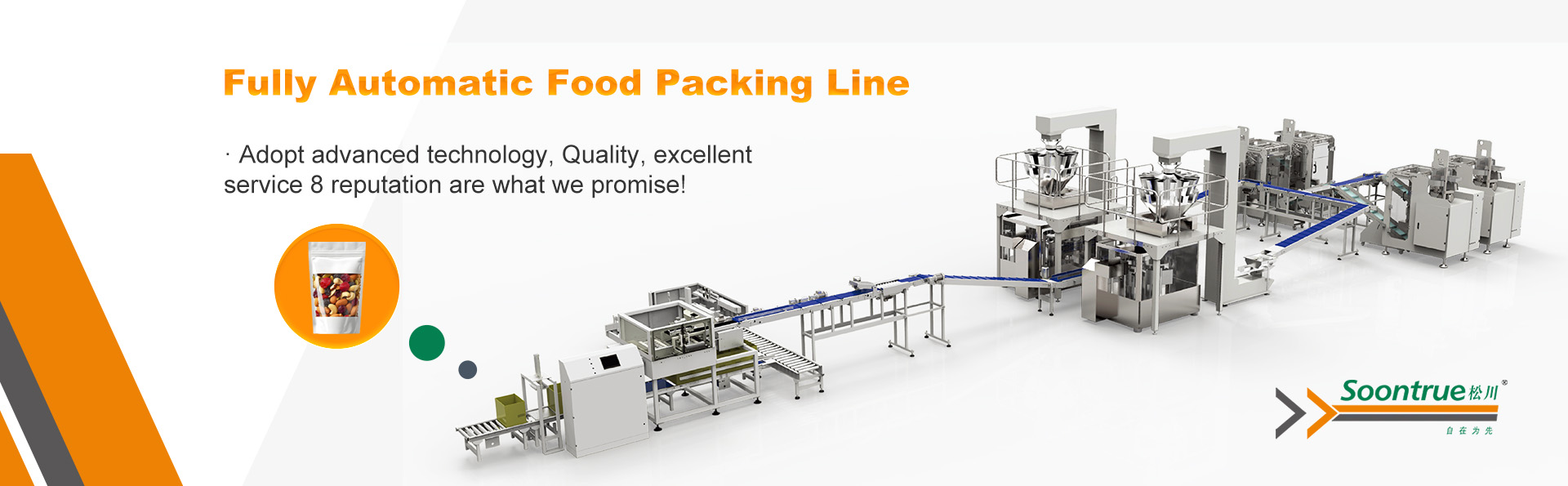
Manufacturers design machines to withstand demanding production environments. They use high-quality materials such as stainless steel and reinforced components. These features help prevent breakdowns and reduce maintenance costs. Operators should inspect welds, joints, and moving parts for signs of strength. A robust machine handles continuous use without frequent repairs.
Tip: Ask suppliers for data on machine lifespan and warranty coverage. Reliable equipment supports uninterrupted production and protects investments.
Assess Flexibility and Versatility
Modern packaging operations require machines that adapt to changing needs. Flexible systems allow operators to switch between different products or package sizes with minimal downtime. Versatile machines often include adjustable settings, modular attachments, or programmable controls. These features help businesses respond quickly to market trends.
A simple checklist for flexibility:
·Can the machine handle multiple package types?
·Does it support quick changeovers?
·Are upgrades or expansions possible?
Versatility ensures that the equipment remains useful as product lines evolve.
Ensure Compatibility with Existing Operations
Integration with current workflows is essential. The new food packaging machine should fit seamlessly into the production line. Operators must check for compatibility with conveyors, labeling systems, and quality control equipment. Proper alignment reduces bottlenecks and improves efficiency.
Note: Review technical specifications and consult with engineers before installation. Compatibility minimizes disruptions and maximizes productivity.
Evaluating these features helps businesses select machines that deliver consistent performance and adapt to future requirements.
Look for User-Friendly Controls
Operators interact with food packaging machines daily. User-friendly controls help teams work efficiently and reduce training time. Modern machines often feature touchscreens, clear icons, and intuitive menus. These elements allow operators to adjust settings quickly and respond to production changes without confusion.
A machine with complex controls can slow down operations. Workers may make mistakes or require extra supervision. Simple interfaces support faster onboarding for new staff. They also help experienced operators troubleshoot issues with less downtime.
Key features of user-friendly controls include:
·Touchscreen panels: Easy navigation and quick access to settings.
·Clear labeling: Buttons and switches with descriptive names or symbols.
·Multilingual support: Menus available in several languages for diverse teams.
·Visual indicators: Lights or alerts that show machine status at a glance.
·Preset programs: One-touch options for common packaging tasks.
Tip: Ask the supplier for a demonstration. Let operators test the interface before making a decision.
A comparison table can help evaluate control systems:
| Feature | Benefit | Example |
|---|---|---|
| Touchscreen Display | Fast adjustments | 7-inch color panel |
| Visual Alerts | Immediate error notification | Red/green indicator |
| Preset Recipes | Consistent packaging results | Save/load settings |
| Multilingual Menus | Easier training for all workers | English, Spanish, etc. |
User-friendly controls do more than improve comfort. They increase productivity and reduce the risk of errors. Teams can focus on quality and output instead of struggling with complicated systems. When choosing a food packaging machine, prioritize controls that match the skill level of your workforce. This approach leads to smoother operations and better results.
Assess Food Packaging Machine Supplier Qualifications
Research Supplier Reputation
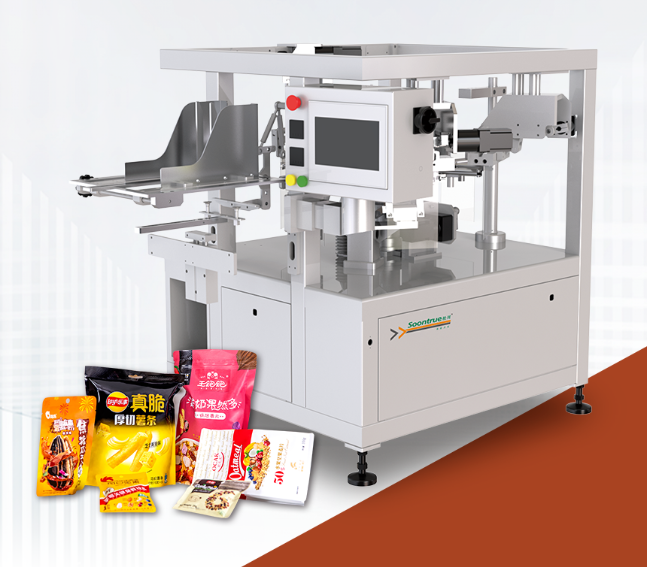
A reliable supplier builds trust through proven performance. Companies should start by checking online reviews and testimonials. Industry forums and trade associations often share feedback about suppliers. A strong reputation signals consistent quality and dependable service. Businesses can also request references from the supplier. Speaking with other clients provides real-world insights into delivery times, product reliability, and after-sales support.
Tip: Look for suppliers with a long history in the industry. Experience often leads to better problem-solving and customer care.
Review Customer Support and Service Options
Customer support plays a vital role in long-term satisfaction. Suppliers should offer clear communication channels, such as phone, email, or live chat. Fast response times help resolve issues quickly. Many leading suppliers provide on-site installation, operator training, and regular maintenance visits. These services reduce downtime and keep production running smoothly.
A simple checklist for evaluating support:
·Availability of technical assistance
·Access to spare parts
·Training programs for staff
·Warranty coverage details
Companies benefit from suppliers who invest in customer relationships and ongoing support.
Verify Certifications and Compliance
Certifications show that a supplier meets industry standards. Businesses should confirm that the supplier’s equipment complies with local and international regulations. Common certifications include ISO 9001 for quality management and CE marking for safety. Food industry standards, such as HACCP or FDA approval, ensure that the food packaging machine meets hygiene and safety requirements.
A table can help organize key certifications:
| Certification | Purpose | Importance |
|---|---|---|
| ISO 9001 | Quality management | Consistent output |
| CE Marking | Safety compliance | Legal operation |
| HACCP | Food safety | Consumer protection |
Note: Always request documentation for certifications before making a purchase.
Choosing a qualified supplier protects the business and ensures smooth operation.
Consider Food Packaging Machine Costs and Support
Calculate Total Cost of Ownership
Business leaders often focus on the purchase price, but the total cost of ownership includes many factors. They must consider installation fees, energy consumption, and ongoing operational expenses. Some machines require specialized utilities or higher power usage. Companies should ask suppliers for a breakdown of all costs before making a decision.
A simple table helps compare expenses:
| Cost Type | Description | Example |
|---|---|---|
| Initial Investment | Purchase and installation | $50,000 |
| Operating Costs | Energy, labor, materials | $5,000/year |
| Maintenance | Repairs, servicing | $2,000/year |
Tip: Leaders should calculate costs over five years to understand long-term impact.
Factor in Maintenance and Spare Parts
Regular maintenance keeps equipment running smoothly. Companies must check if the supplier offers easy access to spare parts. Machines with common components reduce downtime. Some suppliers provide maintenance packages or scheduled service visits. These options help prevent unexpected breakdowns.
A checklist for maintenance planning:
·Availability of spare parts
·Frequency of recommended servicing
·Cost of replacement components
·Supplier response time for repairs
Quick access to support and parts protects production schedules and reduces stress for operators.
Evaluate Training and Technical Support
Proper training ensures safe and efficient operation. Suppliers should offer clear manuals, on-site training, or online resources. Teams learn faster with hands-on demonstrations. Technical support helps resolve issues quickly. Companies should ask about support hours and contact methods.
Note: Reliable support builds confidence and helps teams adapt to new technology.
A well-supported food packaging machine improves productivity and reduces errors. Businesses benefit from investing in training and ongoing assistance.
Make Your Food Packaging Machine Decision
Compare Shortlisted Options
Decision-makers often create a shortlist of food packaging machines that meet their requirements. They review each option by examining technical specifications, supplier reliability, and user feedback. A comparison table helps teams visualize differences and similarities.
| Machine Model | Speed (packs/min) | Package Types | Warranty | User Rating |
|---|---|---|---|---|
| Model A | 30 | Pouches | 2 years | ⭐⭐⭐⭐ |
| Model B | 50 | Trays, Bottles | 3 years | ⭐⭐⭐⭐⭐ |
| Model C | 20 | Cartons | 1 year | ⭐⭐⭐ |
Tip: Teams should invite operators to test machines when possible. Hands-on experience reveals strengths and weaknesses that may not appear in brochures.
Balance Features, Costs, and Support
Selecting the ideal machine involves more than technical features. Teams must weigh the benefits of advanced controls against the total cost of ownership. They consider warranty terms, maintenance packages, and supplier support. A checklist helps organize priorities:
·Does the machine meet production goals?
·Are maintenance and spare parts affordable?
·Is customer support responsive and knowledgeable?
·Does the machine offer flexibility for different products?
Note: Decision-makers should avoid focusing only on price. Long-term reliability and support often save money over time.
Plan for Future Growth
Businesses grow and change. Leaders must choose a food packaging machine that adapts to new products or higher volumes. Machines with modular designs or upgrade options support expansion. Teams should ask suppliers about scalability and future-proof features.
·Can the machine handle increased output?
·Are upgrades available for new package types?
·Will the supplier provide ongoing training?
Callout: Planning for growth ensures that the investment remains valuable as the business evolves.
A forward-thinking decision positions the company for success and reduces the risk of costly replacements.
Selecting the right food packaging machine involves several key steps. Teams should define their needs, evaluate machine features, assess supplier qualifications, and consider total costs. Careful comparison of options leads to better decisions.
·Use this guide to approach the process with confidence.
·Match machine capabilities to business goals for long-term success.
A well-chosen machine supports efficiency, safety, and growth. Smart investments today build a stronger future for any food business.
FAQ
What types of food products can a packaging machine handle?
A food packaging machine can process a wide range of products. These include dry snacks, frozen foods, liquids, powders, and fresh produce. The machine type and configuration determine the best fit for each product.
How often should operators perform maintenance on a food packaging machine?
Operators should follow the manufacturer's recommended schedule. Most machines require daily cleaning and monthly inspections. Regular maintenance helps prevent breakdowns and extends equipment life.
Can one machine package different sizes or types of containers?
Many modern machines offer adjustable settings or modular parts. Operators can switch between various package sizes or types with minimal downtime. This flexibility supports changing production needs.
What certifications should a food packaging machine have?
Key certifications include ISO 9001 for quality, CE marking for safety, and HACCP for food safety. These certifications ensure the machine meets industry standards and regulatory requirements.
How long does installation and training usually take?
Most suppliers complete installation within a few days. Training sessions often last one to two days. Operators gain hands-on experience and learn safe, efficient machine operation.
Post time: Oct-11-2025