
How Automated Packing Machines Change Packing
Speed and Throughput
Automated packing machines increase the speed of packaging operations. These machines handle large volumes of products with minimal downtime. Companies see faster turnaround times and higher daily output.
·Operators set the machine parameters for each product type.
·The system moves items through the packing process without delays.
·Sensors detect jams and alert staff to prevent bottlenecks.
Consistency and Quality
Automated packing machines deliver uniform results for every package. The system applies the same pressure, sealing, and measurements to each item. This consistency reduces product damage and improves customer satisfaction.
A comparison table highlights the difference between manual and automated packing:
| Feature | Manual Packing | Automated Packing Machine |
|---|---|---|
| Seal Quality | Varies | Consistent |
| Measurement | Inaccurate | Precise |
| Error Rate | High | Low |
Operators monitor the process using real-time data. The machine adjusts settings to maintain quality standards.
Cost Reduction
Automated packing machines help companies lower operational costs. Labor expenses decrease because fewer workers are needed for repetitive tasks. The system reduces material waste by measuring and dispensing exact quantities.
·Maintenance costs drop due to fewer breakdowns.
·Energy consumption remains stable with optimized machine cycles.
·Businesses save money on training and supervision.
Step-by-Step Operation of an Automated Packing Machine
Loading and Feeding
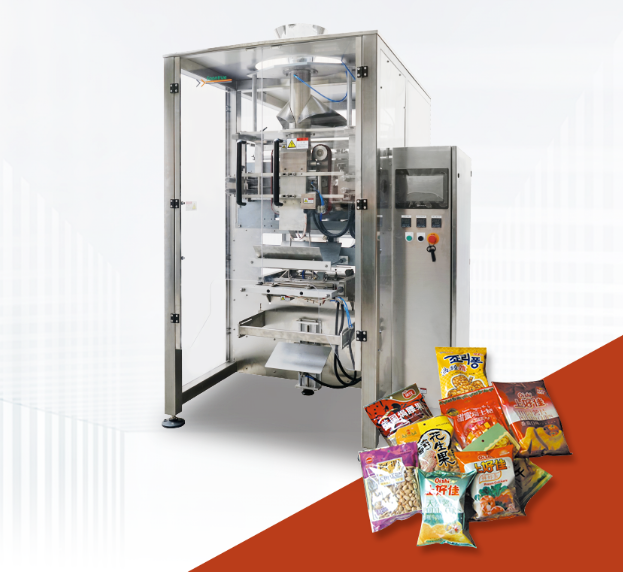
Operators begin the packing process by loading products onto the conveyor or into the hopper. The automated packing machine uses advanced feeding systems to move items into position. Sensors track each product as it enters the machine. These sensors help prevent jams and ensure a steady flow.
·Vibratory feeders guide small items into the correct orientation.
·Belt conveyors transport larger products smoothly.
·Photoelectric sensors detect gaps and signal the system to adjust speed.
Gripping and Positioning
Robotic arms or mechanical grippers handle each product with precision. The automated packing machine uses smart sensors to identify the exact location of every item. The system adjusts the grip strength based on the product’s shape and material.
Operators monitor the positioning process using a control panel. The machine aligns products for the next stage, reducing the risk of misplacement.
·Pneumatic grippers hold fragile items gently.
·Servo-driven arms move products quickly and accurately.
·Vision systems verify correct alignment before packing.
| Gripper Type | Best For | Speed | Accuracy |
|---|---|---|---|
| Pneumatic | Fragile items | Medium | High |
| Mechanical | Solid products | Fast | Medium |
| Robotic | Mixed materials | Fastest | Highest |
Filling and Measuring
The filling stage requires exact measurements to avoid waste and ensure quality. The automated packing machine uses volumetric or gravimetric systems to dispense the right amount of product.
Operators set the desired quantity using the machine’s interface. The system fills each package with consistent accuracy.
·Volumetric fillers measure by volume, ideal for liquids or powders.
·Gravimetric fillers use weight sensors for granular or solid items.
·Real-time monitoring alerts operators to any discrepancies.
Sealing and Closing
The sealing and closing stage protects products and ensures package integrity. Automated systems use advanced technology to create secure seals on every package. Heat sealers, ultrasonic welders, or mechanical crimpers apply the right amount of pressure and temperature. Operators select the sealing method based on the product and packaging material.
·Heat sealing works well for plastic films and pouches.
·Ultrasonic welding creates strong, airtight seals for sensitive items.
·Mechanical crimping secures metal or composite packaging.
Sensors monitor the sealing process in real time. The system detects any irregularities, such as incomplete seals or misaligned closures. Operators receive instant alerts and can stop the line to fix issues. This attention to detail reduces product loss and maintains high quality.
A comparison of sealing methods:
| Sealing Method | Best For | Speed | Seal Strength |
|---|---|---|---|
| Heat Sealing | Plastic films | Fast | High |
| Ultrasonic Welding | Sensitive products | Medium | Very High |
| Mechanical Crimping | Metal packaging | Fast | Medium |
Discharge and Sorting
After sealing, the automated packing machine moves packages to the discharge and sorting area. This stage organizes finished products for shipping or further processing. Conveyor belts, diverters, and robotic arms work together to direct each package to the correct location.
·Sensors scan barcodes or QR codes to identify each package.
·Diverter arms separate products by size, weight, or destination.
·Robotic sorters stack or group packages for palletizing.
Operators monitor the sorting process from a central control panel. The system tracks every package and updates inventory records automatically. This level of organization reduces errors and speeds up order fulfillment.
Efficient discharge and sorting ensure that products reach customers quickly and in perfect condition. Companies that invest in advanced sorting technology see fewer shipping mistakes and higher customer satisfaction.
Key Features of Automated Packing Machines
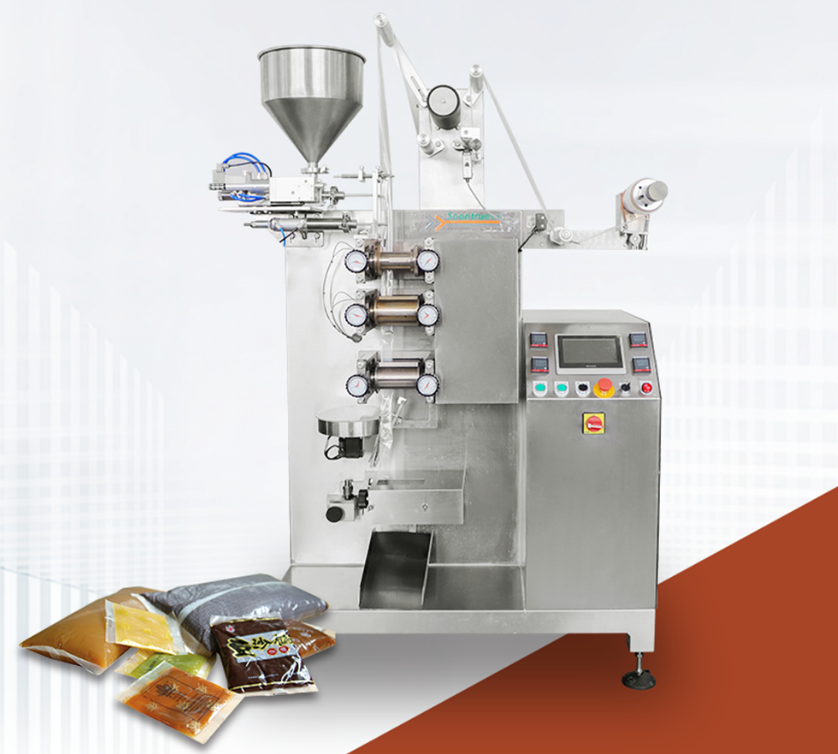
Manufacturers design automated packing machines with flexible settings. Operators adjust speed, temperature, and fill levels to match different products. The control panel displays options for each parameter. Users select the best configuration for each packaging material.
·Speed settings allow faster processing for durable items.
·Temperature controls ensure proper sealing for sensitive products.
·Fill level adjustments prevent overfilling and reduce waste.
Operators save custom profiles for frequent jobs. This feature reduces setup time and improves consistency. The machine stores multiple recipes, making it easy to switch between product lines.
Integration with Other Systems
Automated packing machines connect with other equipment in the production line. Integration supports smooth communication between conveyors, labeling machines, and inventory software.
A table shows common integration points:
| System | Integration Benefit |
|---|---|
| Conveyor Belts | Continuous product flow |
| Labeling Machines | Accurate product tracking |
| ERP Software | Real-time inventory updates |
Operators monitor the entire process from a central dashboard. The machine sends data to management systems for analysis. This integration improves traceability and reduces manual data entry.
Safety Mechanisms
Safety remains a top priority in every automated packing machine. Manufacturers install sensors and guards to protect workers. Emergency stop buttons allow operators to halt the process instantly.
·Light curtains detect movement and stop the machine if someone enters the danger zone.
·Interlock switches prevent operation when doors are open.
·Audible alarms alert staff to potential hazards.
Operators receive training on safety features before using the machine. Regular inspections ensure all mechanisms work properly. These measures reduce accidents and create a safer workplace.
Safety mechanisms protect both workers and equipment, lowering the risk of costly downtime.
Robotics and Smart Sensors
Robotics and smart sensors play a vital role in modern packaging technology. These components give an automated packing machine the ability to perform complex tasks with speed and accuracy. Robotics handle repetitive actions such as picking, placing, and sorting products. They move items with precision, reducing the risk of damage or misplacement.
Smart sensors collect real-time data throughout the packing process. These sensors detect product size, shape, and position. They also monitor environmental factors like temperature and humidity. When a sensor identifies an issue, the system can adjust settings or alert operators. This quick response helps maintain product quality and reduces waste.
Manufacturers use several types of sensors in automated systems:
·Photoelectric sensors: Detect the presence or absence of items on the conveyor.
·Proximity sensors: Measure the distance between products for accurate placement.
·Vision systems: Use cameras to inspect products and verify alignment.
·Weight sensors: Ensure each package meets the required specifications.
Robotic arms often work alongside these sensors. They adapt to different product shapes and sizes without manual intervention. Advanced robotics can even learn from previous cycles, improving efficiency over time. This combination of robotics and smart sensors allows companies to handle a wide range of packaging tasks with minimal human input.
A table below shows how robotics and sensors improve key packing functions:
| Function | Robotics Role | Sensor Role |
|---|---|---|
| Product Handling | Pick and place items | Detect item presence |
| Quality Control | Remove defects | Inspect and measure |
| Sorting | Direct product flow | Identify product type |
The integration of robotics and smart sensors transforms the automated packing machine into a highly adaptable and reliable solution for businesses.
Main Benefits of Automated Packing Machines
Increased Productivity
Automated packing machines help companies achieve higher productivity. These machines operate at a consistent pace throughout each shift. Workers no longer need to perform repetitive tasks by hand. Instead, they can focus on monitoring the process and handling exceptions. Production lines move faster because machines do not tire or slow down. Companies can meet tight deadlines and handle larger orders with ease.
A typical automated system can process thousands of packages per hour. This output far exceeds what manual labor can achieve. Managers track performance using real-time data from the machine. They can quickly identify and resolve any issues that arise.
Waste Reduction
Waste reduction remains a key benefit of automation. Automated packing machines measure and dispense materials with high accuracy. This precision reduces overfilling and prevents product loss. Companies save money on packaging materials and raw goods.
A comparison of waste levels:
| Packing Method | Average Waste (%) |
|---|---|
| Manual | 8 |
| Automated | 2 |
Operators receive alerts if the system detects excess waste. They can adjust settings to maintain efficiency. Lower waste levels also support sustainability goals and reduce environmental impact.
Improved Worker Safety
Automated packing machines create a safer workplace. Workers spend less time near moving parts and heavy equipment. Safety features such as light curtains and emergency stops protect staff from injury. The machine handles dangerous tasks, such as sealing with heat or moving heavy loads.
Companies report fewer accidents after switching to automation. Employees experience less fatigue and stress. They can focus on quality control and system management instead of repetitive labor.
Scalability and Flexibility
Automated packing machines give businesses the power to scale operations quickly. Companies can increase production without hiring more workers or expanding floor space. These machines handle higher volumes by adjusting speed, capacity, and settings. When demand rises, operators can program the machine to process more packages per hour. This flexibility supports growth during peak seasons or product launches.
Many automated packing machines offer modular designs. Companies add or remove modules to match their current needs. For example, a business can install extra filling stations or sealing units. This approach prevents over-investment and keeps costs under control.
Flexibility also means handling different products and packaging types. Operators switch between product lines by loading new settings or recipes. The machine adapts to various sizes, shapes, and materials with minimal downtime. This feature helps companies respond to market trends and customer requests.
A table below shows how scalability and flexibility benefit different industries:
| Industry | Scalability Example | Flexibility Example |
|---|---|---|
| Food & Beverage | Increase output for holidays | Switch between snack sizes |
| E-commerce | Handle flash sale surges | Pack various product types |
| Pharmaceuticals | Ramp up for new launches | Adapt to different packaging |
Automated packing machines support both small startups and large enterprises. They help businesses stay competitive in fast-changing markets. Companies that invest in scalable and flexible systems can meet customer demands without delays or extra costs.
Note: Scalability and flexibility ensure long-term success as business needs evolve.
Automated packing machines set new standards in packaging. They deliver higher productivity, lower costs, and safer workplaces. Companies that invest in this technology gain a clear advantage in the market.
Embracing an automated packing machine prepares any business for future growth and changing demands. These systems help organizations stay efficient, reliable, and competitive.
FAQ
What types of products can automated packing machines handle?
Automated packing machines process a wide range of products. They pack food, beverages, pharmaceuticals, electronics, and consumer goods. Manufacturers design machines with adjustable settings to accommodate various shapes, sizes, and materials.
How does an automated packing machine improve quality control?
Automated packing machines use sensors and vision systems to inspect every package. These technologies detect defects, measure accuracy, and ensure consistent quality. Operators receive instant alerts when the system identifies an issue.
Are automated packing machines difficult to operate?
Operators find modern machines user-friendly. Touchscreen interfaces display clear instructions. Manufacturers provide training and support. Most systems allow users to save custom settings for different products.
What maintenance do automated packing machines require?
·Regular cleaning of feeding and sealing areas
·Inspection of sensors and safety mechanisms
·Lubrication of moving parts
·Software updates for optimal performance
Routine maintenance prevents breakdowns and extends machine life.
Can automated packing machines integrate with existing production lines?
| Integration Type | Benefit |
|---|---|
| Conveyor Systems | Smooth product flow |
| Labeling Equipment | Accurate tracking |
| ERP Software | Real-time data sharing |
Automated packing machines connect easily with other equipment, improving efficiency and traceability.
Post time: Sep-22-2025