
What Is a Liquid Packing Machine?
Definition and Core Function
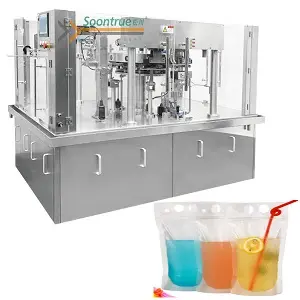
A liquid packing machine is a specialized device designed to package liquid products efficiently. This machine fills containers with liquids such as water, juice, oil, or chemicals. It seals each package to prevent leaks and contamination. Manufacturers use these machines to maintain product quality and safety.
The core function of a liquid packing machine centers on automating the filling and sealing process. Operators set the machine to handle specific volumes and types of liquids. The machine dispenses the correct amount into each container. It then closes the container using methods like capping, sealing, or welding. This process ensures uniformity and reduces human error.
Note: Companies choose liquid packing machines to increase productivity and maintain strict hygiene standards. These machines help businesses meet regulatory requirements for packaging and safety.
How Liquid Packing Machines Work
Liquid packing machines operate through a series of coordinated steps. The process begins when containers move along a conveyor belt toward the filling station. Sensors detect each container and signal the machine to dispense the liquid. The filling system uses pumps, pistons, or gravity to transfer the liquid into the container.
After filling, the machine moves the container to the sealing station. Here, the machine applies caps, lids, or seals to secure the contents. Some machines use heat or pressure to create airtight seals. Advanced models include features for labeling and coding each package.
Manufacturers select the type of liquid packing machine based on the product’s viscosity, container shape, and production volume. For example, piston fillers work well with thick liquids, while gravity fillers suit thin liquids. The choice of machine affects speed, accuracy, and overall efficiency.
| Step | Description |
|---|---|
| Container Feeding | Containers enter the machine via conveyor |
| Liquid Dispensing | Machine fills each container with liquid |
| Sealing | Machine secures the container |
| Labeling (optional) | Machine applies labels or codes |
Liquid packing machines streamline production and reduce waste. They help companies deliver consistent products to customers.
Main Types of Liquid Packing Machines
Automatic Liquid Filling Machines
Automatic liquid filling machines handle high-volume production lines. These machines fill containers with precise amounts of liquid without manual intervention. Operators program the machine to match the product’s viscosity and container size. Sensors and control systems monitor each step. The machine adjusts the filling speed and volume for different products. Companies use automatic models for beverages, oils, and chemicals. These machines reduce labor costs and increase output.
Tip: Automatic liquid filling machines often include features like self-cleaning and error detection. These features help maintain hygiene and reduce downtime.
Semi-Automatic Liquid Packing Machines
Semi-automatic liquid packing machines combine manual and automated processes. Operators place containers under the filling nozzles. The machine dispenses the liquid when activated. After filling, the operator may need to move the container to the sealing station. Semi-automatic models suit small to medium businesses. They offer flexibility for different container shapes and sizes. These machines require less investment than fully automatic systems.
| Feature | Automatic Machines | Semi-Automatic Machines |
|---|---|---|
| Labor Requirement | Low | Moderate |
| Production Speed | High | Medium |
| Flexibility | Medium | High |
Sachet and Pouch Packing Machines
Sachet and pouch packing machines specialize in single-serve or small-volume packaging. These machines form, fill, and seal flexible pouches or sachets. They work well for products like sauces, shampoos, and detergents. The machine cuts packaging material from a roll, shapes it, and fills it with liquid. It then seals the package to prevent leaks. Companies choose these machines for their efficiency and ability to produce attractive, portable packages.
Note: A liquid packing machine can include different types, such as automatic, semi-automatic, or pouch packing models, depending on production needs.
Bottle Filling and Capping Machines
Bottle filling and capping machines play a crucial role in many industries. These machines fill bottles with liquids such as water, juice, milk, or chemicals. After filling, the machine places and tightens caps on each bottle. This process protects the product from leaks and contamination. Companies use these machines to handle large volumes quickly and accurately.
Operators can adjust the machine for different bottle sizes and shapes. Many models include sensors that check if each bottle is filled to the correct level. Some machines also reject bottles that do not meet quality standards. This feature helps companies maintain consistency and reduce waste.
Tip: Regular maintenance of bottle filling and capping machines ensures smooth operation and extends equipment life.
Aseptic Liquid Packing Machines
Aseptic liquid packing machines package products in a sterile environment. These machines keep both the product and packaging free from bacteria and other contaminants. They are essential for products that require a long shelf life without refrigeration, such as milk, juices, and some pharmaceuticals.
The process involves sterilizing the liquid, the packaging material, and the filling area. The machine then fills and seals the package in one continuous operation. This method preserves the taste, color, and nutritional value of the product. Companies in the food and pharmaceutical industries rely on aseptic machines to meet strict safety standards.
| Benefit | Description |
|---|---|
| Extended Shelf Life | Keeps products fresh longer |
| Product Safety | Prevents contamination |
| Quality Preservation | Maintains flavor and nutrients |
Inline Liquid Filling Machines
Inline liquid filling machines operate as part of a continuous production line. These machines fill containers as they move along a conveyor belt. Each container passes under a filling nozzle, which dispenses the correct amount of liquid. Inline machines suit operations that require flexibility and easy integration with other equipment.
Manufacturers can use inline machines for a wide range of products, from thin liquids to thicker substances. Adjustments to speed and fill volume are simple, making these machines ideal for changing production needs. Many companies choose inline models for their efficiency and ability to scale with business growth.
A liquid packing machine like an inline filler helps companies boost productivity and maintain high standards in packaging.
Piston Filling Machines
Piston filling machines deliver precise and consistent filling for a wide range of liquid products. These machines use a piston mechanism to draw liquid into a cylinder and then push it out into containers. Operators can adjust the piston stroke to control the fill volume. This flexibility makes piston fillers ideal for products with varying viscosities, such as sauces, creams, gels, and even thick pastes.
Manufacturers often choose piston filling machines for their accuracy and reliability. The piston action ensures each container receives the same amount of product, reducing waste and maintaining quality. These machines handle both small and large batch production. Many models offer quick changeover features, allowing operators to switch between products with minimal downtime.
Tip: Piston filling machines work best for products that contain particulates, such as fruit pieces or seeds. The robust design prevents clogging and ensures smooth operation.
Key advantages of piston filling machines include:
·High accuracy for both thin and thick liquids
·Easy cleaning and maintenance
·Versatility for different container sizes and shapes
| Feature | Benefit |
|---|---|
| Adjustable Volume | Customizable fill amounts |
| Robust Design | Handles viscous products |
| Consistent Output | Reduces product variation |
Tube Filler Machines
Tube filler machines specialize in filling and sealing products in tubes. These machines handle materials like creams, ointments, gels, toothpaste, and adhesives. Operators load empty tubes into the machine, which then fills each tube with the correct amount of product. The machine seals the tube using heat, pressure, or crimping, depending on the material.
Tube filler machines support both plastic and metal tubes. Many models include features for date coding and batch numbering, which help companies track products and meet regulatory requirements. The machines can adjust to different tube sizes and fill volumes, making them suitable for a variety of industries.
Manufacturers value tube filler machines for their speed and precision. The automated process reduces manual labor and increases production rates. Companies in the pharmaceutical, cosmetic, and food industries rely on these machines to deliver hygienic and attractive packaging.
Note: Regular inspection and cleaning of tube filler machines help maintain product quality and extend equipment lifespan.
Key benefits of tube filler machines:
·Fast and efficient tube filling and sealing
·Compatibility with various tube materials
·Enhanced product safety and shelf appeal
Key Benefits of Liquid Packing Machines
Increased Efficiency and Speed
Manufacturers need fast and reliable packaging solutions. Liquid packing machines deliver high-speed operations that keep production lines moving. These machines fill and seal hundreds or thousands of containers every hour. Operators can set the machine to match the required output for each product. Automated systems reduce manual labor and minimize downtime.
Production managers often choose machines with advanced sensors and programmable controls. These features help teams adjust speed and volume quickly. Companies see shorter lead times and faster order fulfillment. The ability to handle large batches in less time gives businesses a competitive edge.
Tip: Investing in high-speed liquid packing machines helps companies meet seasonal demand spikes and launch new products efficiently.
Consistent and Accurate Filling
Consistency matters in every industry. Customers expect each bottle, pouch, or tube to contain the same amount of product. Liquid packing machines use precise measurement systems to ensure accurate filling. Technologies like piston fillers and gravity fillers control the volume of liquid dispensed into each container.
Quality control teams rely on these machines to reduce product variation. Automated filling reduces human error and prevents underfilling or overfilling. Accurate filling protects brand reputation and helps companies comply with industry regulations.
| Benefit | Description |
|---|---|
| Uniform Products | Every package contains the same amount |
| Reduced Waste | Less spillage and fewer rejects |
| Regulatory Compliance | Meets packaging standards |
Operators can adjust settings for different container sizes and product viscosities. This flexibility supports a wide range of packaging needs.
Enhanced Product Safety and Hygiene
Product safety remains a top priority for manufacturers. Liquid packing machines create a controlled environment for filling and sealing. Many models feature stainless steel construction and easy-to-clean surfaces. These designs prevent contamination and support strict hygiene standards.
Aseptic packing machines go further by sterilizing both the product and packaging. This process keeps bacteria and other contaminants out of the final product. Companies in the food, pharmaceutical, and cosmetic industries depend on these machines to protect consumer health.
Note: Regular maintenance and cleaning of liquid packing machines help maintain hygiene and extend equipment life.
Operators monitor the packaging process using sensors and automated alerts. These systems detect leaks, improper seals, or foreign objects. Quick response to these issues ensures only safe products reach customers.
Cost Savings and Reduced Waste
Manufacturers strive to optimize resources and minimize expenses. A liquid packing machine helps companies achieve these goals by streamlining the packaging process. Automated systems reduce the need for manual labor, which lowers payroll costs. Operators can set precise fill volumes, preventing overfilling and underfilling. This accuracy leads to less product loss and fewer rejected packages.
Companies often see a reduction in packaging material waste. Machines dispense the exact amount of liquid and seal containers efficiently. This process eliminates spills and leaks, which can damage products and increase cleanup costs. Businesses also benefit from lower utility bills because modern machines use energy-saving technology.
Efficient packaging reduces the number of defective products. Fewer mistakes mean less rework and fewer returns from customers.
Many organizations track their savings using key performance indicators. The table below highlights common areas where liquid packing machines contribute to cost reduction:
| Area of Savings | Impact on Business |
|---|---|
| Labor Costs | Fewer staff needed for packaging |
| Material Waste | Less wasted product and packaging |
| Utility Expenses | Lower energy and water consumption |
| Product Returns | Fewer customer complaints |
Manufacturers also improve sustainability. Reduced waste means less material ends up in landfills. Companies can recycle packaging more easily when machines produce uniform packages. These improvements support environmental goals and enhance brand reputation.
Operators notice faster changeovers between products. Quick adjustments save time and reduce downtime. Businesses can respond to market changes without increasing costs.
A liquid packing machine delivers measurable financial benefits. Companies invest in these machines to stay competitive and protect profit margins.
Industry Applications of Liquid Packing Machines
Food and Beverage Industry
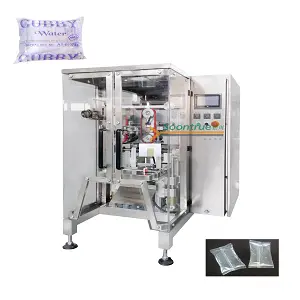
Manufacturers in the food and beverage sector rely on liquid packing machines to maintain product quality and safety. These machines fill bottles, cartons, and pouches with drinks such as juice, milk, and water. Operators set the machines to handle different container sizes and liquid viscosities. Companies use these machines to prevent contamination and extend shelf life. Many businesses choose automated systems to increase production speed and reduce labor costs.
Tip: Regular calibration of filling equipment helps maintain accurate portion control and reduces product waste.
Common applications include:
·Bottled water and soft drinks
·Sauces and dressings
·Dairy products
A liquid packing machine ensures each package meets hygiene standards and regulatory requirements.
Pharmaceutical Industry
Pharmaceutical companies depend on precise packaging to protect product integrity. Liquid packing machines fill vials, ampoules, and bottles with medicines, syrups, and vaccines. Operators monitor the process to avoid cross-contamination. Many machines feature aseptic technology, which keeps products sterile during filling and sealing. This technology supports compliance with strict health regulations.
| Application | Benefit |
|---|---|
| Syrup Bottling | Accurate dosing |
| Vaccine Packaging | Sterile environment |
| Eye Drop Filling | Leak-proof sealing |
Pharmaceutical manufacturers value these machines for their reliability and ability to handle sensitive products.
Cosmetics and Personal Care
Cosmetics and personal care brands use liquid packing machines to package lotions, shampoos, and creams. These machines fill tubes, bottles, and jars with consistent amounts of product. Operators adjust settings for different viscosities and container shapes. Many machines include features for labeling and batch coding, which help companies track products and meet industry standards.
Note: Automated filling reduces the risk of contamination and improves shelf appeal.
Popular uses include:
·Shampoo and conditioner bottles
·Lotion and cream tubes
·Liquid soap dispensers
Cosmetic companies benefit from fast changeovers and precise filling, which support product variety and brand reputation.
Chemical Industry
Liquid packing machines play a vital role in the chemical industry. They handle products such as solvents, acids, detergents, and industrial liquids. These machines must meet strict safety standards because many chemicals are hazardous. Operators rely on automated systems to reduce the risk of spills and exposure. Machines use corrosion-resistant materials to prevent damage from harsh substances.
Companies choose liquid packing machines for their ability to fill containers with precise amounts. Accurate filling helps prevent waste and ensures safe transport. Many machines include features for leak detection and automatic shut-off. These features protect workers and the environment.
Note: Chemical manufacturers often require machines with explosion-proof components. This design keeps operations safe when handling flammable liquids.
| Chemical Product | Machine Feature |
|---|---|
| Acids | Corrosion resistance |
| Solvents | Leak detection |
| Detergents | Automated shut-off |
Liquid packing machines support high-volume production and help companies meet regulatory requirements.
Cleaning Products and Household Liquids
Manufacturers of cleaning products depend on liquid packing machines for efficiency and consistency. These machines fill bottles, pouches, and spray containers with items like disinfectants, detergents, and liquid soaps. Operators adjust settings for different container sizes and product viscosities.
Liquid packing machines help companies maintain hygiene standards. Automated filling reduces the risk of contamination. Machines also improve labeling accuracy, which supports brand recognition and compliance.
·Fast filling for large batches
·Adjustable settings for various products
·Reliable sealing to prevent leaks
Tip: Regular cleaning of equipment ensures product safety and extends machine life.
Companies benefit from reduced labor costs and faster production cycles. Liquid packing machines allow manufacturers to respond quickly to market demand.
Dairy Industry
The dairy industry uses liquid packing machines to package milk, yogurt, cream, and other dairy products. These machines fill cartons, bottles, and pouches with precise amounts. Operators rely on aseptic technology to keep products fresh and safe.
Liquid packing machines help prevent contamination by creating a sterile environment. Machines seal packages tightly to extend shelf life. Many models include features for date coding and batch tracking.
| Dairy Product | Packaging Type | Key Benefit |
|---|---|---|
| Milk | Carton/Bottle | Extended freshness |
| Yogurt | Pouch/Tube | Leak prevention |
| Cream | Bottle | Accurate filling |
Dairy manufacturers value these machines for their speed and reliability. Liquid packing machines support high standards for quality and safety in dairy production.
A liquid packing machine supports quality, safety, and efficiency in packaging liquid products. Companies in food, pharmaceuticals, and cosmetics rely on these machines for reliable performance. Their adaptability allows manufacturers to meet changing market demands. As technology improves, these machines offer advanced features and greater precision.
Industry leaders recognize the essential role of liquid packing machines in modern production.
FAQ
What types of liquids can a liquid packing machine handle?
A liquid packing machine can process water, juices, oils, sauces, chemicals, detergents, creams, and gels. Operators select the right machine based on the liquid’s viscosity and packaging needs.
How does a liquid packing machine improve hygiene?
Liquid packing machines use stainless steel parts and automated systems. These features reduce human contact and prevent contamination. Many models include cleaning cycles for added safety.
Are liquid packing machines suitable for small businesses?
Yes. Semi-automatic and compact models fit small production lines. These machines offer flexibility, lower costs, and easy operation for growing businesses.
What maintenance do liquid packing machines require?
Operators should clean and inspect machines regularly. Lubrication of moving parts and checking for wear help prevent breakdowns. Many manufacturers provide maintenance schedules and support.
Can one machine handle different container sizes?
| Feature | Benefit |
|---|---|
| Adjustable Nozzles | Fits various containers |
| Programmable Settings | Quick changeovers |
Many machines allow operators to switch between bottle, pouch, or tube sizes with minimal adjustments.
Post time: Sep-25-2025