
Regular Cleaning for Your Automatic Pouch Packing Machine
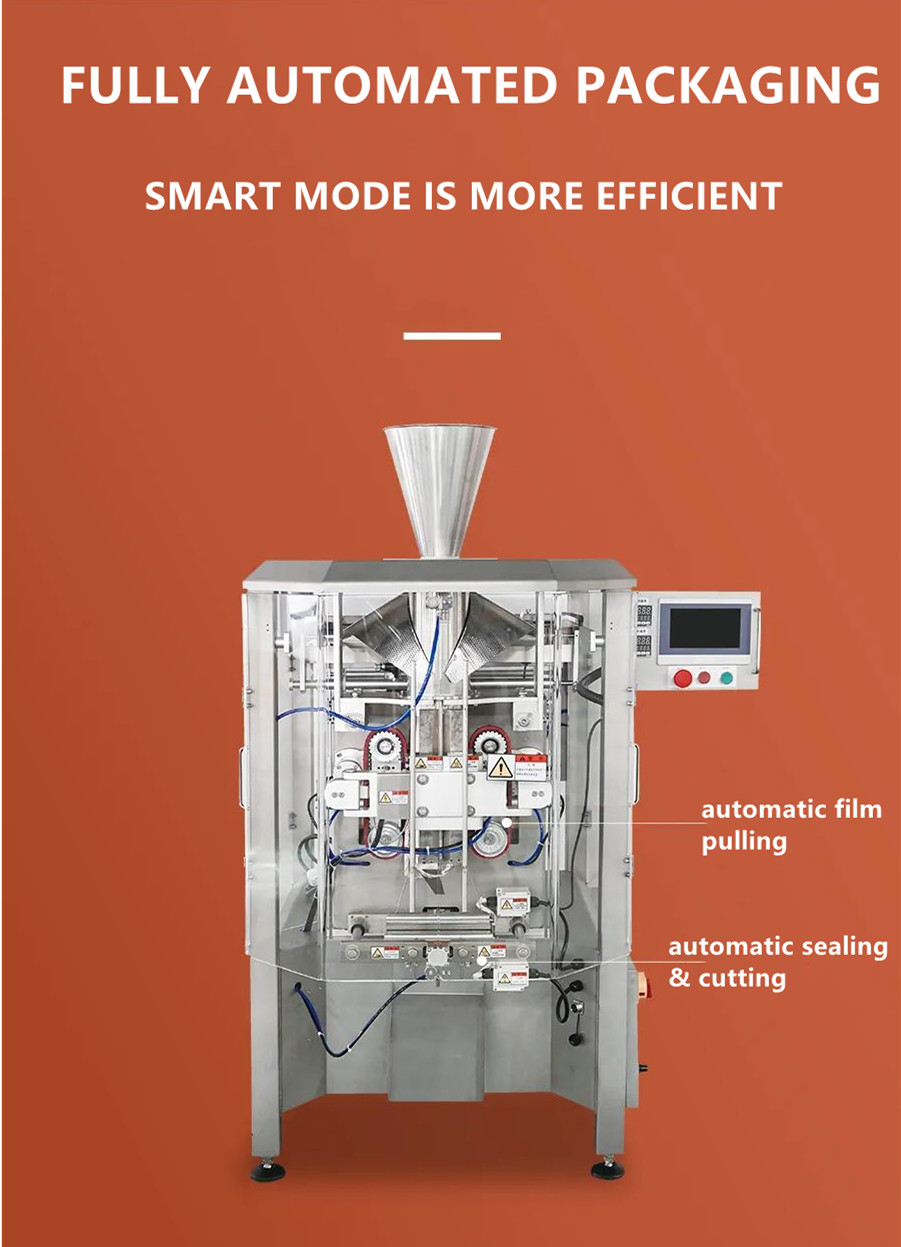
Why Cleaning Is Essential
Cleaning plays a vital role in maintaining the performance of any automatic pouch packing machine. Dust, product residue, and packaging debris can accumulate on moving parts. These contaminants may cause jams, reduce efficiency, and lead to premature wear. Operators who clean the machine regularly help prevent breakdowns and extend its lifespan. Clean surfaces also reduce the risk of contamination in packaged goods, which is critical for food and pharmaceutical industries.
Daily Cleaning Checklist
Operators should follow a daily cleaning routine to keep the automatic pouch packing machine in optimal condition. The following checklist outlines essential tasks:·Remove loose debris from the hopper and sealing area.
·Wipe down sensors and touch screens with a soft, dry cloth.
·Clean rollers and belts to prevent residue buildup.
·Inspect and clear the cutting blades of any packaging fragments.
·Empty and sanitize waste bins.
A daily cleaning schedule ensures that the machine remains free from obstructions and operates efficiently.
Deep Cleaning Tips
Deep cleaning should occur weekly or after processing sticky or oily products. Technicians should disassemble accessible components for thorough washing. Use manufacturer-approved cleaning agents to avoid damaging sensitive parts. Clean inside the sealing jaws and under the conveyor belt. Check for hidden residue in crevices and corners. After cleaning, allow all parts to dry completely before reassembly.
| Deep Cleaning Task | Frequency | Responsible Person |
|---|---|---|
| Disassemble and wash parts | Weekly | Technician |
| Clean sealing jaws | Weekly | Operator |
| Inspect for hidden debris | Weekly | Supervisor |
Regular deep cleaning prevents long-term damage and keeps the automatic pouch packing machine running reliably.
Routine Inspection of Your Automatic Pouch Packing Machine
Critical Parts to Inspect
Routine inspections help operators catch small issues before they become major problems. Every automatic pouch packing machine contains several components that require close attention. Operators should focus on these critical parts:
·Sealing Jaws: Check for wear, residue, or misalignment. Damaged jaws can cause poor seals and product loss.
·Cutting Blades: Inspect for sharpness and chips. Dull blades may lead to uneven pouch cuts.
·Rollers and Belts: Look for cracks, fraying, or slippage. Worn rollers can disrupt pouch movement.
·Sensors: Ensure sensors remain clean and functional. Faulty sensors may cause misfeeds or stoppages.
·Electrical Connections: Examine wires and connectors for signs of damage or loose fittings.
·Hoppers and Feeders: Check for blockages or buildup that could affect material flow.
A thorough inspection of these parts helps maintain consistent performance and reduces downtime.
Inspection Frequency
Establishing a regular inspection schedule keeps the machine running smoothly. Operators and maintenance staff should follow this guideline:
| Part | Inspection Frequency | Responsible Person |
|---|---|---|
| Sealing Jaws | Daily | Operator |
| Cutting Blades | Daily | Operator |
| Rollers and Belts | Weekly | Technician |
| Sensors | Daily | Operator |
| Electrical Connections | Monthly | Technician |
| Hoppers and Feeders | Daily | Operator |
Daily checks catch immediate issues, while weekly and monthly inspections address deeper wear and tear. Consistent routines ensure the automatic pouch packing machine stays reliable and efficient.
Lubrication for Automatic Pouch Packing Machine Longevity
Key Lubrication Points
Lubrication protects moving parts from friction and wear. Technicians should focus on several critical areas when servicing an automatic pouch packing machine. These areas include:
·Bearings and bushings
·Gear assemblies
·Conveyor chains
·Sealing jaw pivots
·Roller shafts
Each point requires attention to prevent metal-on-metal contact. Proper lubrication reduces noise and extends the life of components. Operators should always check manufacturer guidelines for specific lubrication points.
Tip: Mark lubrication points with colored tags for quick identification during maintenance.
Selecting the Right Lubricant
Choosing the correct lubricant ensures optimal performance. Manufacturers often recommend specific oils or greases for different machine parts. Food-grade lubricants suit machines that package edible products. Synthetic oils resist breakdown at high temperatures. Technicians should avoid mixing lubricants, as this can cause chemical reactions and damage parts.
| Lubricant Type | Suitable For | Special Features |
|---|---|---|
| Food-grade grease | Sealing jaws, rollers | Non-toxic, odorless |
| Synthetic oil | Gear assemblies | High-temperature stable |
| General-purpose oil | Bearings, chains | Reduces friction |
Always store lubricants in sealed containers to prevent contamination.
Lubrication Schedule
A regular lubrication schedule keeps the automatic pouch packing machine running smoothly. Maintenance teams should follow a structured plan:
- Lubricate high-wear points daily.
- Service gear assemblies and chains weekly.
- Inspect lubricant levels and quality monthly.
- Replace old lubricant every quarter.
Technicians should record each lubrication activity in a maintenance log. This practice helps track service intervals and identify recurring issues.
Note: Consistent lubrication prevents costly repairs and unexpected downtime.
Operator Training for Automatic Pouch Packing Machine Care
Essential Training Topics
Operator training forms the foundation for reliable machine operation. Well-trained staff understand the mechanics and safety protocols of the automatic pouch packing machine. Training programs should cover several core topics:
·Machine Startup and Shutdown Procedures: Operators learn the correct sequence for powering the machine on and off. This reduces the risk of electrical faults.
·Safety Guidelines: Staff receive instruction on emergency stops, lockout/tagout procedures, and personal protective equipment.
·Component Identification: Operators recognize key parts such as sealing jaws, rollers, and sensors. This knowledge helps with troubleshooting.
·Routine Maintenance Tasks: Training includes cleaning, lubrication, and inspection routines. Operators perform these tasks to prevent breakdowns.
·Troubleshooting Common Issues: Staff learn to identify and resolve frequent problems like jams or misfeeds.
A comprehensive training program increases operator confidence and reduces machine downtime.
Daily Operation Best Practices
Operators who follow best practices ensure consistent performance and product quality. The following habits support smooth operation:
- Inspect the machine before each shift for visible damage or debris.
- Confirm that all safety guards are in place.
- Monitor pouch alignment and sealing quality during production.
- Record any unusual noises or vibrations in a logbook.
- Communicate issues to maintenance staff immediately.
| Best Practice | Benefit |
|---|---|
| Pre-shift inspection | Prevents early failures |
| Safety guard verification | Reduces injury risk |
| Quality monitoring | Ensures product standards |
| Logging irregularities | Speeds up troubleshooting |
| Prompt reporting | Minimizes downtime |
Operators who follow these steps help maintain the automatic pouch packing machine in top condition. Consistent adherence to daily routines supports long-term reliability and efficiency.
Scheduled Maintenance for Your Automatic Pouch Packing Machine
Creating a Maintenance Calendar
A maintenance calendar helps operators and technicians organize service tasks for the automatic pouch packing machine. They can schedule daily, weekly, and monthly checks to prevent missed routines. A clear calendar reduces confusion and ensures that every part receives attention at the right time.
Operators often use digital tools or printed charts to track maintenance. These tools display upcoming tasks and record completed work. A sample maintenance calendar might look like this:
| Task | Frequency | Assigned To | Completion Date |
|---|---|---|---|
| Clean sealing jaws | Daily | Operator | |
| Lubricate gear assembly | Weekly | Technician | |
| Inspect sensors | Monthly | Supervisor |
Technicians mark each task after finishing it. This habit builds accountability and helps supervisors monitor machine care.
Tip: Set reminders for critical tasks using calendar apps or alarms. This practice reduces the risk of forgetting important maintenance.
Staying Consistent with Maintenance
Consistency keeps the automatic pouch packing machine running smoothly. Operators and technicians should follow the calendar without skipping tasks. They need to check off each item and report any issues immediately.
Supervisors encourage consistency by reviewing logs and providing feedback. They reward teams that maintain high standards. Regular meetings help staff discuss challenges and share solutions.
A few strategies support consistent maintenance:
·Assign clear roles for each task.
·Review the calendar at the start of each shift.
·Keep spare parts and cleaning supplies ready.
·Update the calendar when new procedures arise.
Teams that stay consistent avoid costly repairs and reduce downtime. They protect the machine’s value and ensure reliable production.
Monitoring Performance of Your Automatic Pouch Packing Machine
Tracking Output and Efficiency
Operators and supervisors monitor the output and efficiency of the automatic pouch packing machine to maintain high productivity. They record the number of pouches produced during each shift. They compare these numbers to the expected targets. When output drops below the standard, they investigate possible causes such as material jams or incorrect settings.
Many facilities use digital counters and production logs. These tools help teams track performance over time. Supervisors review daily reports and identify patterns. They notice if the machine slows down or if the number of defective pouches increases. Teams use this data to adjust machine settings and improve workflow.
A simple table can help organize performance data:
| Shift | Pouches Produced | Defective Pouches | Downtime (min) |
|---|---|---|---|
| 1 | 5,000 | 25 | 10 |
| 2 | 4,800 | 30 | 15 |
Teams use these records to set goals and measure improvements.
Spotting Early Warning Signs
Early detection of problems prevents costly repairs and production delays. Operators listen for unusual noises such as grinding or squeaking. They watch for changes in pouch quality, like weak seals or uneven cuts. Supervisors check for frequent stoppages or error messages on the control panel.
A checklist helps staff identify warning signs:
·Unusual machine sounds
·ncreased number of defective pouches
·Frequent jams or stoppages
·Error codes on the display
·Slower production speed.
Technicians respond quickly when they notice these issues. They inspect the machine and perform necessary repairs. Regular monitoring keeps the automatic pouch packing machine running smoothly and extends its lifespan.
Managing Packaging Materials and Spare Parts
Proper Storage of Packaging Materials
Packaging materials play a crucial role in the efficiency of an automatic pouch packing machine. Operators must store these materials in a clean, dry area to prevent contamination and damage. Moisture can weaken packaging films, causing poor seals and wasted product. Dust and debris may lead to machine jams or defective pouches.
Operators organize packaging rolls and pouches by type and size. They label each shelf clearly to avoid mix-ups during production. Shelves should remain sturdy and free from sharp edges that could tear packaging. Staff inspect storage areas daily for signs of pests or leaks.
A simple storage checklist helps maintain order:
·Store packaging materials off the floor.
·Keep rolls in their original wrapping until use.
·Label shelves with material type and expiration date.
·Inspect for moisture, dust, and pests every morning.
| Storage Area | Material Type | Condition | Last Inspection |
|---|---|---|---|
| Shelf A | Film Rolls | Dry | 06/01/2024 |
| Shelf B | Pouches | Clean | 06/01/2024 |
Tip: Proper storage reduces waste and keeps the machine running smoothly.
Keeping High-Wear Parts Available
High-wear parts, such as sealing jaws and cutting blades, often require replacement to prevent downtime. Technicians track usage rates and order spare parts before stock runs low. They store these parts in a secure cabinet near the machine for quick access.
Staff create an inventory list and update it after each replacement. They check part numbers and compatibility with the machine model. Supervisors review inventory weekly to ensure critical parts remain available.
A well-organized spare parts cabinet includes:
·Sealing jaws
·Cutting blades
·Roller belts
·Sensors
·Fuses
| Part Name | Quantity | Location | Last Restocked |
|---|---|---|---|
| Sealing Jaw | 2 | Cabinet Shelf | 05/28/2024 |
| Cutting Blade | 3 | Drawer 1 | 05/30/2024 |
Keeping high-wear parts on hand prevents production delays and costly emergency orders.
Consistent attention to cleaning, inspection, lubrication, and operator training supports long-term machine health. Teams that follow a maintenance schedule and monitor performance can catch issues early.
·Regular care reduces breakdowns.
·Scheduled checks improve efficiency.
·Proper training prevents costly mistakes.
A well-maintained automatic pouch packing machine delivers reliable results year after year.
FAQ
How often should operators clean the automatic pouch packing machine?
Operators should clean the machine daily. They must remove debris, wipe surfaces, and check for residue. Weekly deep cleaning helps prevent buildup and keeps the machine running efficiently.
What signs indicate the machine needs immediate maintenance?
Unusual noises, frequent jams, error codes, or a sudden drop in output signal urgent issues. Operators should report these signs to technicians right away.
Which spare parts should teams keep in stock?
Teams should always have sealing jaws, cutting blades, roller belts, sensors, and fuses available. Quick access to these parts reduces downtime during repairs.
Why is operator training important for machine longevity?
Trained operators follow correct procedures and safety guidelines. They spot problems early and perform routine maintenance. This attention helps extend the machine’s lifespan.
Can any lubricant be used on the machine?
No. Operators must use lubricants recommended by the manufacturer. Food-grade or synthetic oils may be required for specific parts. Using the wrong lubricant can damage components.
Post time: Sep-22-2025