
Preparing Your Wonton Machine and Ingredients

Assembling and Inspecting the Wonton Machine
A chef begins by assembling the wonton machine according to the manufacturer's instructions. Each part must fit securely to prevent leaks or jams. Before starting, they inspect the machine for any signs of wear or damage. Loose screws or cracked components can affect performance. A checklist helps track each step:
·Attach all removable parts.
·Confirm that safety guards are in place.
·Test the power supply and controls.
·Examine belts and gears for proper alignment.
Tip: Regular inspection before each use reduces downtime and extends the life of the wonton machine.
Choosing Dough and Filling for Wonton Machine
Selecting the right dough and filling ensures consistent results. The dough should have a smooth texture and moderate elasticity. Excess moisture or dryness can cause tearing or sticking. For fillings, chefs prefer finely chopped ingredients with balanced moisture. A table can help compare options:
| Dough Type | Texture | Suitability |
|---|---|---|
| Wheat-based | Smooth | Most wonton types |
| Gluten-free | Slightly firm | Specialty wontons |
| Filling Type | Moisture Level | Notes |
|---|---|---|
| Pork & Veggies | Medium | Classic wontons |
| Shrimp | Low | Delicate wrappers |
Prepping Ingredients for Smooth Wonton Machine Operation
Preparation of ingredients plays a key role in machine efficiency. Chefs measure dough portions to match the machine’s capacity. They chill fillings to maintain firmness and prevent leaks. Uniform size and consistency allow the wonton machine to operate smoothly. A few steps help streamline the process:
·Weigh dough and filling accurately.
·Cut dough into even sheets.
·Mix fillings thoroughly to avoid clumps.
·Store prepared ingredients in cool containers until use.
Note: Proper ingredient preparation leads to fewer jams and more uniform wontons.
Operating the Wonton Machine Step by Step
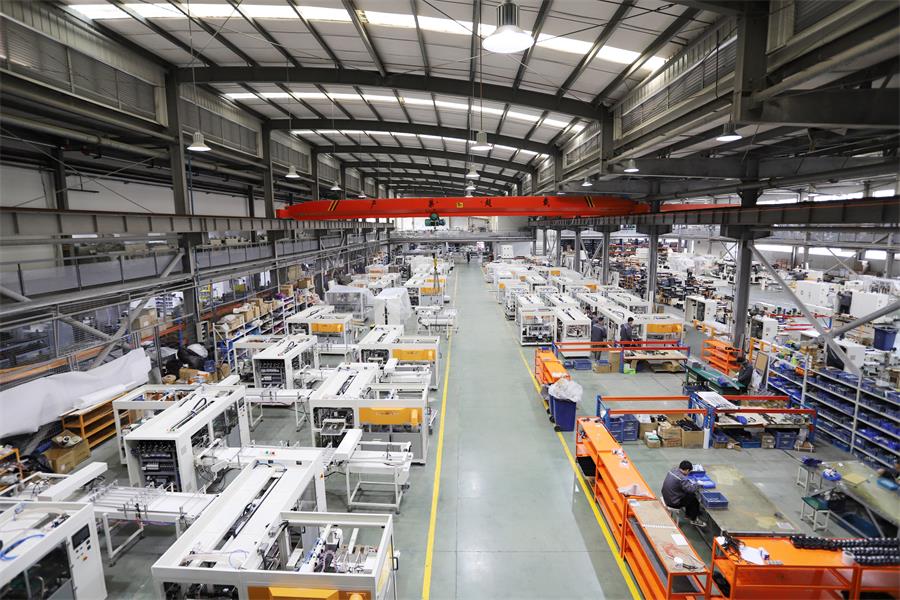
Setting Up for Different Wonton Types
A chef selects the appropriate settings based on the wonton style. Each type requires specific adjustments to the wonton machine. For classic square wontons, the machine uses a standard mold. For folded or specialty shapes, the operator changes the mold or attachment. The chef checks the manual for recommended settings.
| Wonton Type | Mold/Attachment Needed | Recommended Settings |
|---|---|---|
| Classic Square | Standard mold | Medium speed |
| Folded Triangle | Triangle mold | Low speed |
| Mini Wontons | Small mold | High speed |
Operators confirm that the machine matches the desired wonton type before starting production. This step prevents errors and ensures uniformity.
Tip: Always test a small batch first to verify the shape and seal quality before full production.
Adjusting Speed and Thickness on Wonton Machine
Speed and thickness settings affect the final product. The chef sets the speed according to the dough’s elasticity and the filling’s consistency. Thicker dough requires slower speeds to avoid tearing. Thin wrappers need precise control to prevent sticking.
Operators use the control panel to adjust these parameters. They monitor the output and make small changes as needed. The following steps guide the adjustment process:
·Set initial speed based on dough type.
·Adjust thickness using the dial or lever.
·Observe the first few wontons for defects.
·Fine-tune settings for optimal results.
A chef records successful settings for future batches. Consistent adjustments lead to higher efficiency and better quality.
Note: Proper speed and thickness settings reduce waste and improve the texture of each wonton.
Loading Dough and Filling Properly
Loading ingredients into the wonton machine requires precision. The chef places dough sheets evenly on the feed tray. They ensure that the edges align with the guides. Filling goes into the hopper in small, uniform portions. Overloading causes jams and uneven distribution.
Operators follow these steps for smooth loading:
·Place dough sheets flat and centered.
·Add filling in measured amounts.
·Check that the hopper is not overfilled.
·Start the machine and observe the first output.
A chef watches for signs of misalignment or overflow. Quick corrections prevent downtime and maintain product quality.
Alert: Never force ingredients into the machine. Gentle handling preserves the integrity of both dough and filling.
Monitoring Output for Consistency
Chefs monitor the output of the wonton machine to maintain uniformity and high standards. They observe each batch closely, checking for size, shape, and seal integrity. Consistent output ensures that every wonton meets quality expectations and reduces waste.
Operators follow a systematic approach to evaluate the results:
·Visual Inspection
·They examine the appearance of each wonton. Uniform color and shape indicate proper machine settings. Misshapen or uneven wontons signal a need for adjustment.
·Seal Quality Check
·They test the edges for secure sealing. A strong seal prevents filling from leaking during cooking. Weak seals often result from incorrect dough thickness or misaligned molds.
·Size Measurement
·Operators measure several wontons from each batch. Consistent dimensions confirm that the machine dispenses dough and filling evenly.
·Texture Assessment
·They touch the wrappers to check for smoothness and elasticity. Sticky or dry surfaces may require changes in dough hydration or machine speed.
·Sampling for Filling Distribution
·Chefs cut open random wontons to inspect the filling. Even distribution ensures every piece tastes the same and cooks evenly.
Tip: Record observations in a logbook. Tracking issues and solutions helps improve future batches and supports staff training.
Operators use a simple table to document their findings:
| Batch Number | Appearance | Seal Strength | Size Uniformity | Filling Distribution | Notes |
|---|---|---|---|---|---|
| 1 | Good | Strong | Consistent | Even | No issues |
| 2 | Uneven | Weak | Variable | Clumped | Adjust speed |
| 3 | Good | Strong | Consistent | Even | Optimal batch |
If they notice irregularities, operators take corrective action immediately. They adjust machine settings, reload ingredients, or pause production to prevent further defects. Quick responses maintain output quality and reduce downtime.
Chefs also communicate with team members during monitoring. They share feedback and suggest improvements. Collaboration ensures that everyone understands the standards and works toward consistent results.
Operators repeat these checks throughout the production process. Continuous monitoring guarantees that the wonton machine produces high-quality wontons every time.
Troubleshooting Wonton Machine Issues
Handling Dough Jams and Tearing
Dough jams and tearing often disrupt production and lower the quality of finished wontons. Operators should first stop the machine and remove any dough buildup. They can use a soft brush or food-safe scraper to clear the rollers and guides. If the dough tears, the cause may be improper hydration or incorrect thickness. Operators should check the dough recipe and adjust water content as needed. They should also verify that the thickness setting matches the dough type.
Common causes of dough jams and tearing include:
·Overly dry or sticky dough
·Uneven dough sheets
·Incorrect speed or pressure settings
Operators can prevent these issues by following a checklist:
·Inspect dough consistency before loading.
·Set the machine to the recommended thickness.
·Monitor the first batch for signs of stress or tearing.
Tip: Regularly clean the rollers and guides to prevent dough buildup and ensure smooth operation.
Fixing Uneven Filling Distribution
Uneven filling distribution leads to inconsistent wontons and customer complaints. Operators should first check the filling hopper for blockages or air pockets. They can gently stir the filling to maintain an even flow. If the filling appears too thick or too runny, operators should adjust the recipe for better consistency.
A table can help identify possible causes and solutions:
| Problem | Possible Cause | Solution |
|---|---|---|
| Filling clumps | Overly dry mixture | Add a small amount of liquid |
| Filling leaks | Too much moisture | Drain excess liquid |
| Uneven filling portions | Hopper misalignment | Realign and secure the hopper |
Operators should also calibrate the filling dispenser regularly. They can run a test batch and weigh several wontons to confirm even filling. If the problem persists, they should consult the machine manual for further adjustments.
Note: Consistent filling texture and proper hopper alignment ensure even distribution in every wonton.
Preventing Sticking and Blockages
Sticking and blockages slow down production and can damage the machine. Operators should dust the dough sheets lightly with flour before loading. They should also check that the machine’s surfaces remain dry and clean during operation. If sticking occurs, operators can pause production and wipe down the affected areas.
To prevent blockages, operators should avoid overfilling the hopper and keep all moving parts free of debris. They should inspect the feed trays and chutes for leftover dough or filling after each batch.
A simple checklist for preventing sticking and blockages:
·Lightly flour dough sheets before use
·Clean machine surfaces regularly
·Avoid overloading the filling hopper
·Remove debris from trays and chutes after each batch
Alert: Never use sharp tools to clear blockages, as this can damage the wonton machine and void the warranty.
Operators who follow these troubleshooting steps can maintain smooth production and high-quality results.
Maintaining Your Wonton Machine
Cleaning After Each Use
Proper cleaning keeps the wonton machine running smoothly and prevents contamination. Operators remove all detachable parts and wash them with warm, soapy water. They use a soft brush to clean hard-to-reach areas. After rinsing, they dry each part thoroughly before reassembling. Food residue left inside the machine can cause blockages and affect the taste of future batches. Operators wipe down the exterior with a damp cloth to remove flour and filling splatters.
Tip: Schedule cleaning immediately after each production run to avoid dried-on dough and filling.
A simple cleaning checklist helps staff remember each step:
·Remove and wash all detachable components
·Clean rollers, trays, and hoppers
·Wipe down the exterior surfaces
·Dry all parts before reassembly
Lubricating Moving Parts
Lubrication reduces friction and extends the life of the wonton machine. Operators apply food-grade lubricant to gears, bearings, and other moving parts. They avoid over-lubricating, which can attract dust and dough particles. Regular lubrication ensures smooth operation and prevents squeaking or grinding noises. Operators check the manufacturer's guidelines for recommended products and intervals.
A table summarizes common lubrication points:
| Part | Lubricant Type | Frequency |
|---|---|---|
| Gears | Food-grade grease | Weekly |
| Bearings | Food-grade oil | Bi-weekly |
| Rollers | Light oil | Monthly |
Note: Always use lubricants approved for food processing equipment.
Inspecting for Wear and Tear
Routine inspection helps operators spot problems before they cause breakdowns. They examine belts, seals, and electrical connections for signs of damage. Cracks, frayed edges, or loose wires require immediate attention. Operators replace worn parts to maintain safety and efficiency. They keep a maintenance log to track repairs and replacements.
A visual inspection checklist includes:
·Check belts and seals for cracks or wear
·Inspect electrical connections for safety
·Look for loose screws or bolts
·Record findings in the maintenance log
Operators who follow these steps keep the wonton machine in top condition and ensure consistent results.
Tips for Wonton Machine Efficiency and Quality
Batch Preparation Strategies
Efficient batch preparation helps operators maximize productivity and maintain high standards. They organize ingredients and tools before starting. Chefs measure dough and filling in advance, which reduces interruptions during production. They group similar tasks together, such as cutting dough sheets or portioning filling, to streamline the workflow. Operators often use checklists to track progress and avoid missing steps.
A sample batch preparation checklist:
·Weigh and portion dough for each batch
·Prepare and chill filling
·Set up trays for finished wontons
·Arrange utensils and cleaning supplies nearby
Tip: Operators who prepare multiple batches at once can reduce downtime and increase output.
Storing Ingredients and Finished Wontons
Proper storage preserves freshness and prevents waste. Chefs store dough in airtight containers to keep it from drying out. They refrigerate fillings to maintain food safety and texture. Finished wontons should be placed on trays lined with parchment paper, then covered and chilled or frozen promptly.
A table for recommended storage methods:
| Item | Storage Method | Maximum Time |
|---|---|---|
| Dough | Airtight container | 24 hours (chilled) |
| Filling | Covered, refrigerated | 12 hours |
| Finished wontons | Tray, covered, frozen | 1 month |
Upgrading or Customizing Your Wonton Machine
Operators can improve efficiency by upgrading or customizing their equipment. They may add new molds for different wonton shapes or install automated feeders for faster loading. Some choose to upgrade control panels for more precise speed and thickness adjustments. Regularly reviewing available accessories helps operators keep the wonton machine up to date with production needs.
Alert: Always consult the manufacturer before making modifications to ensure compatibility and maintain the warranty.
Operators who follow these tips achieve consistent quality and efficient production with every batch.
Operators achieve the best results from a wonton machine by focusing on three main areas:
·Consistent setup before each use
·Careful operation during production
·Regular maintenance after every batch
Attention to detail and adherence to proven practices lead to high-quality wontons. Practice builds skill and confidence, allowing chefs to master the machine and deliver efficient, delicious results every time.
FAQ
How often should operators clean the wonton machine?
Operators clean the wonton machine after every production run. Regular cleaning prevents contamination and keeps the equipment in good working order. A daily cleaning schedule ensures consistent results and extends the machine’s lifespan.
What type of dough works best in a wonton machine?
Chefs prefer wheat-based dough with moderate elasticity. This type resists tearing and produces smooth wrappers. Gluten-free dough suits specialty wontons but may require adjustments to thickness and speed settings.
Can operators use different fillings in one batch?
Operators can use multiple fillings in one batch if they prepare each filling separately and load them in sequence. They should clean the hopper between fillings to prevent cross-contamination and maintain flavor integrity.Tip: Label each batch to track filling types and avoid mix-ups.
What should operators do if the wonton machine jams?
Operators stop the machine immediately. They remove any dough or filling causing the jam. A soft brush or scraper helps clear blockages. Operators check the dough consistency and machine settings before restarting production.
| Step | Action |
|---|---|
| 1 | Stop the machine |
| 2 | Remove blockage |
| 3 | Inspect ingredients |
| 4 | Resume operation |
Post time: Sep-25-2025