
Daily Cleaning and Inspection for Liquid Pouch Packing Machine
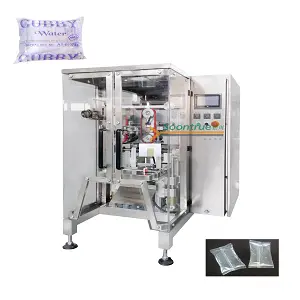
Cleaning Procedures
Operators start each day by cleaning the liquid pouch packing machine to remove residue and prevent contamination. They use food-grade cleaning agents and lint-free cloths to wipe down all contact surfaces. The team pays special attention to the filling nozzles, sealing jaws, and conveyor belts. These areas collect liquid and debris during operation. Technicians also flush the system with warm water to clear internal tubing. This process reduces the risk of bacterial growth and ensures product safety.
Tip: Always disconnect the power supply before cleaning any part of the machine.
Visual Inspection Checklist
A thorough visual inspection helps operators spot potential problems early. The following checklist guides the daily inspection:
- Check for leaks around the filling station.
- Inspect sealing jaws for residue or wear.
- Confirm that sensors and controls display correct readings.
- Examine belts and rollers for cracks or misalignment.
- Verify that emergency stop buttons function properly.
| Inspection Point | Status | Action Required |
|---|---|---|
| Filling Station | No leaks | None |
| Sealing Jaws | Clean | None |
| Sensors & Controls | Accurate | None |
| Belts & Rollers | Aligned | None |
| Emergency Stop Buttons | Functional | None |
Identifying Common Issues
Operators often encounter recurring issues during daily checks. Leaks in the liquid pouch packing machine usually result from worn gaskets or loose fittings. Inconsistent sealing may indicate residue buildup or misaligned jaws. Faulty sensors can disrupt pouch filling accuracy. Technicians address these problems immediately to prevent downtime. Regular attention to these areas keeps the liquid pouch packing machine running smoothly and maintains high production standards.
Lubrication of Moving Parts in Liquid Pouch Packing Machine
Lubrication Schedule
Technicians follow a strict lubrication schedule to maintain optimal performance. They inspect moving parts such as gears, bearings, and chains every week. Monthly checks include the drive assembly and conveyor rollers. Some manufacturers recommend daily lubrication for high-speed machines. Operators record each lubrication activity in a maintenance log. This record helps track service intervals and prevents missed tasks.
Note: Regular lubrication reduces friction, prevents overheating, and extends the lifespan of critical components.
Recommended Lubricants
Selecting the right lubricant ensures smooth operation. Most liquid pouch packing machines require food-grade lubricants to avoid contamination. Technicians use synthetic oils for gears and bearings. Chains and rollers often need semi-fluid greases. The table below lists common lubricants and their applications:
| Component | Lubricant Type | Application Frequency |
|---|---|---|
| Gears | Synthetic Oil | Weekly |
| Bearings | Food-Grade Grease | Weekly |
| Chains | Semi-Fluid Grease | Daily |
| Conveyor Rollers | Synthetic Oil | Monthly |
Application Techniques
Proper application techniques maximize the effectiveness of lubrication. Technicians clean each part before applying lubricant. They use brushes or spray applicators for even coverage. Over-lubrication can attract dust and cause buildup, so operators apply only the recommended amount. After lubrication, they run the liquid pouch packing machine briefly to distribute the lubricant. This step ensures all moving parts receive adequate protection.
Post time: Sep-25-2025